


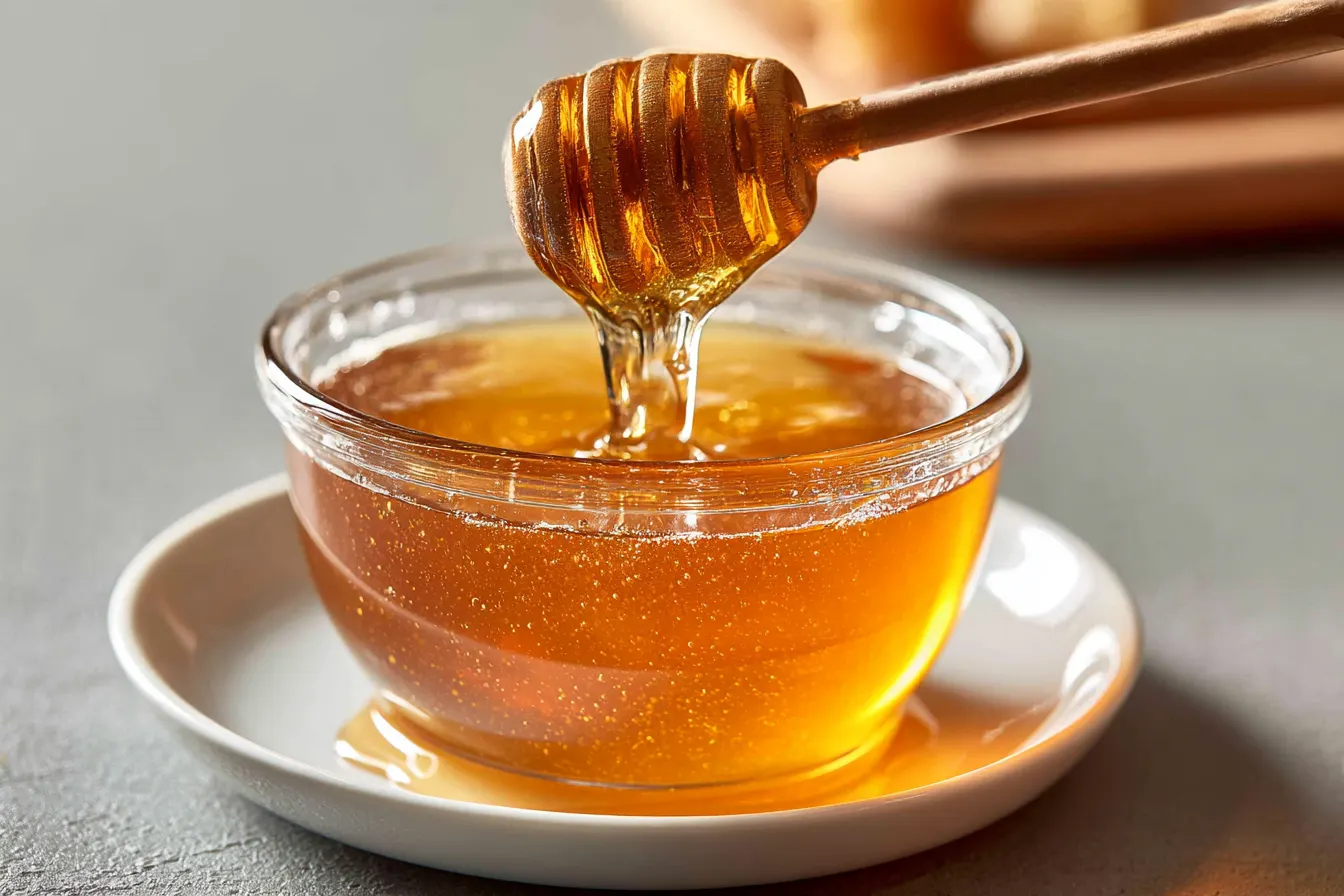
Have you ever been halfway through a recipe, reaching for that golden jar of honey, only to find it completely empty? It’s a classic kitchen conundrum, right? Or perhaps you’re navigating new dietary paths, looking for a vegan honey alternative or a reliable keto honey substitute that still delivers that distinct, comforting sweetness. Whatever your reason, figuring out the best honey substitute can feel like a bit of a puzzle. But don’t worry, I’ve been there, and I’ve got some sweet solutions to share that will keep your cooking and baking on track, no matter what your pantry or dietary needs throw at you!
- Why You Might Be Looking for a Honey Alternative
- Top Honey Substitutes for All Occasions
- Choosing the Right Substitute: A Quick Guide
- Tips for Successful Swapping
- Frequently Asked Questions About Honey Substitutes
- Beyond the Swap: Appreciating the Original
The beauty of cooking, for me, lies in its adaptability. Ingredients might be staples, but they’re rarely irreplaceable. Honey, with its unique flavor profile, viscous texture, and hygroscopic properties (meaning it attracts and holds onto moisture), plays several roles beyond just sweetness. It adds a subtle floral note, contributes to browning, and keeps baked goods wonderfully moist.
Understanding these functions is key to picking the right swap. We’re not just looking for something sweet; we’re looking for something that can stand in for honey’s entire culinary personality. Whether you need a quick fix for a single dish or a long-term solution for a specific diet, you’ll find plenty of options here.

Why You Might Be Looking for a Honey Alternative
There are a handful of common reasons why home cooks and seasoned bakers alike might be on the hunt for a good honey alternative. Knowing your “why” helps narrow down the best choice.
Dietary Preferences and Restrictions
One of the most frequent reasons I hear is dietary. For our vegan friends, traditional honey is out, as it’s an animal product. Finding a suitable vegan honey is often a top priority. Similarly, folks following a ketogenic diet need low-carb, sugar-free options that won’t spike blood sugar levels.
Allergies, though less common for honey itself, can also play a role, or perhaps you’re simply trying to reduce overall sugar intake, even from natural sources. Whatever your dietary framework, there are delicious and effective substitutes available.
Empty Pantry Panic
Let’s be honest, this is probably the most common scenario for many of us! You’re mid-recipe, you’ve measured everything else, and then… nada. No honey in sight. In these moments, you need a quick, accessible swap that you likely already have on hand. The good news? Many common pantry sweeteners can step in in a pinch.
Flavor Profile Adjustments
Sometimes, it’s not about restriction or availability, but about taste. Honey has a distinct, sometimes assertive, flavor. In certain delicate dishes or where a neutral sweetness is preferred, a different sweetener might actually enhance the final product more than honey would. Think about balancing complex flavors – sometimes a less dominant sweetener is exactly what’s needed.
Top Honey Substitutes for All Occasions
Alright, let’s get into the nitty-gritty. Here are my favorite stand-ins for honey, categorized to help you find exactly what you need.
Vegan-Friendly Honey Replacements
For those avoiding animal products, these options mimic honey’s texture and sweetness without using bees’ hard work.
Maple Syrup
Ah, maple syrup! This is probably my top pick for a vegan honey alternative, especially for baking. It’s a natural, unrefined sweetener with a gorgeous amber color and a delightful, distinct flavor. Use pure maple syrup (Grade A or B), not pancake syrup, which is mostly corn syrup and artificial flavors.
- Ratio: Use 1:1 for honey in most recipes.
- Flavor: Earthy, caramel-like. It can be a little more assertive than mild honey, so consider that for very delicate dishes.
- Texture: Similar viscosity to honey, making it excellent for dressings, marinades, and baked goods.
- Best For: Baking, marinades, dressings, glazes, hot beverages, drizzling over pancakes or yogurt.
Note: Since maple syrup has slightly more water content than honey, you might need to slightly reduce other liquids in baking if you’re making a large swap (e.g., for every cup of maple syrup, reduce other liquids by 1-2 tablespoons). For smaller amounts, it’s usually negligible.
Agave Nectar (Agave Syrup)
Agave nectar is a very popular vegan sweetener derived from the agave plant. It’s thinner than honey but sweeter, and it has a relatively neutral flavor profile, making it quite versatile.
- Ratio: Use about ⅔ to ¾ cup of agave nectar for every 1 cup of honey. If replacing by weight, it’s closer to 1:1.
- Flavor: Mild, neutral. It won’t overpower other ingredients.
- Texture: Thinner than honey. This is important to consider in recipes where honey’s thickness is crucial for structure or consistency.
- Best For: Sweetening drinks, dressings, no-bake desserts, and light baking. It can brown more quickly in the oven, so keep an eye on baking times and temperatures.
Date Syrup (Date Honey)
Date syrup is a fantastic, nutrient-rich option made from cooked and blended dates. It boasts a rich, caramel-like sweetness and a thicker consistency, closer to honey than agave or maple.
- Ratio: Use 1:1 for honey.
- Flavor: Deep, fruity, caramel notes. It’s quite distinctive and delicious.
- Texture: Thick, viscous, similar to honey.
- Best For: Baking, marinades, dressings, drizzling over oatmeal or toast, and any recipe where a richer, fruitier sweetness is welcome.

Low-Carb and Keto Honey Substitutes
Navigating the world of low-carb sweeteners can be tricky, as many don’t behave like honey. These options aim to replicate the sweetness without the sugar.
Sugar-Free “Honey” Alternatives
Several brands now offer specialized sugar-free honey substitutes designed specifically for keto diets. These are typically blends of erythritol, stevia, monk fruit, and sometimes chicory root fiber or xanthan gum to achieve honey-like texture.
- Ratio: Follow the product’s specific instructions, but generally 1:1 for honey.
- Flavor: Varies by brand. Some have a slight aftertaste, while others are remarkably clean.
- Texture: Formulated to be viscous and sticky, like honey.
- Best For: Any recipe where honey is called for, especially in baking and sauces, if you want a direct, low-carb replacement. These are often the closest in functionality.
Tip: Always read the labels carefully on these products. Ingredients can vary widely, and some may contain fillers or artificial sweeteners you wish to avoid.
Erythritol or Monk Fruit Blends (Granulated)
While not liquid like honey, granulated low-carb sweeteners like erythritol or monk fruit blends can be used for sweetness. You’ll need to account for the lack of liquid and binding properties honey provides.
- Ratio: Consult the specific product for sweetness equivalence to sugar. For honey, you’ll need to experiment a bit, as honey is sweeter than sugar. A good starting point might be ½ to ¾ cup of granulated sweetener for 1 cup of honey, then adjust to taste.
- Flavor: Generally clean, but some can have a cooling sensation (erythritol) or a slight aftertaste (some stevia).
- Texture: Granulated. You’ll need to add extra liquid to the recipe if replacing honey in baking, and a binding agent like xanthan gum if stickiness is important.
- Best For: Recipes where honey is primarily for sweetness, and its liquid/binding properties aren’t critical, or when you can easily adjust other liquids. Great for sweetening drinks or as a sugar substitute in dry mixes.
Everyday Pantry Swaps for Cooking and Baking
These are your go-to options when you just need something sweet and sticky, and dietary restrictions aren’t the primary concern.
Corn Syrup (Light or Dark)
Corn syrup is a common thickener and sweetener. Light corn syrup is very neutral in flavor, while dark corn syrup has a hint of molasses. It excels at preventing crystallization and adding gloss.
- Ratio: Use 1:1 for honey.
- Flavor: Neutral (light) or slightly molasses-like (dark).
- Texture: Viscous and sticky, very similar to honey.
- Best For: Candies, glazes, pecan pie, sauces, and anywhere you need honey’s texture and gloss without its distinctive flavor.
Note: Corn syrup is not considered a “natural” or “unrefined” sweetener by many, so keep that in mind if you’re leaning towards whole foods.
Molasses (Light)
Light molasses (sometimes called “mild” or “Barbados”) is a byproduct of sugar refining. It has a robust, distinctive flavor and a thick consistency. Avoid blackstrap molasses for direct honey swaps, as its flavor is much too strong and bitter.
- Ratio: Use 1:1 for honey, but be prepared for a very different flavor profile.
- Flavor: Strong, robust, slightly bitter, and deeply caramel-like. It’s an acquired taste for some, but wonderful in the right context.
- Texture: Thick and sticky, often even thicker than honey.
- Best For: Gingerbread, baked beans, BBQ sauces, and certain robust baked goods where its strong flavor can shine. Not ideal for delicate recipes.
Brown Sugar (Packed)
While granulated, packed brown sugar can sometimes stand in for honey, especially in sauces or marinades where its moisture and caramel notes are welcome. You’ll need to add some liquid.
- Ratio: For every 1 cup of honey, use 1 cup of packed brown sugar and add about ¼ cup of extra liquid (water, milk, juice, etc.) to the recipe.
- Flavor: Caramel, molasses-like.
- Texture: Granulated, but moist when packed.
- Best For: Marinades, BBQ sauces, oatmeal, and some rustic baked goods where a little extra liquid won’t disrupt the balance too much. Not great for achieving honey’s viscous drizzle.
Choosing the Right Substitute: A Quick Guide
To make your decision even easier, here’s a quick mental checklist:
- What’s the main role of honey in the recipe? Is it for sweetness, moisture, flavor, or texture (like in a sticky sauce)?
- What are your dietary needs? Vegan? Keto? Avoiding refined sugars?
- What do you have on hand? Sometimes the best substitute is simply what’s in your pantry.
- How much honey is the recipe calling for? A small amount (a tablespoon or two) is more forgiving for flavor and texture changes than a cup or more.

Tips for Successful Swapping
Replacing a key ingredient like honey isn’t always a perfect science, but these tips will help you get the best results:
- Start Small: If you’re unsure, especially with a new-to-you sweetener or a larger quantity, try making a half-batch of the recipe or tasting the raw mixture (if safe to do so) to adjust sweetness.
- Consider Liquid Content: Honey is about 17% water. If you’re using a very thick substitute, you might need to add a tiny splash of water. If you’re using a much thinner one, you might need to slightly reduce other liquids or add a thickener.
- Flavor Matters: Remember that maple syrup and molasses have strong flavors. Agave is more neutral. Date syrup is fruity. Choose a substitute whose flavor complements your dish, not clashes with it.
- Browning and Moisture: Honey contributes to browning and keeps baked goods moist. Some substitutes (like agave) can brown more quickly. Others (like plain granulated sweeteners) won’t add the same moisture, so you might need to adjust baking times or add a little extra fat.
- Temperature Tolerance: Some artificial sweeteners can lose sweetness or develop off-flavors at very high temperatures. Always check product recommendations if you’re baking at high heat.
Frequently Asked Questions About Honey Substitutes
What’s the best all-around honey substitute for baking?
For most baking applications, especially those that call for a significant amount of honey, pure maple syrup is an excellent choice. Its consistency is very similar, and its flavor is generally well-loved. Date syrup is another fantastic option if you enjoy its rich, fruity notes.
Can I use sugar water as a honey substitute?
While sugar water can provide sweetness, it lacks the viscosity, unique flavor, and hygroscopic (moisture-retaining) properties of honey. It’s generally not a good direct substitute for honey in recipes where texture and moisture are important, like baked goods or thick sauces. For a simple sweetness in drinks, it’s fine, but for recipes, opt for one of the other options listed.
Are all “vegan honey” products the same?
No, they can vary significantly! Some are made from apple juice, others from rice syrup, and some are specific blends of sweeteners and thickeners. Always check the ingredients list to understand what you’re getting and how it might behave in your recipe. Flavor and consistency will differ between brands and types.
How do honey substitutes affect the shelf life of baked goods?
Honey is a natural humectant, meaning it attracts and retains moisture, which helps keep baked goods fresh and soft for longer. When substituting, especially with granulated sweeteners or options that aren’t as humectant, your baked goods might dry out a bit faster. Using date syrup or commercial sugar-free “honey” alternatives that mimic honey’s texture often yields better results for moisture retention.
What if I need a substitute for medical reasons (e.g., infants under one)?
This is a critical point! Honey should never be given to infants under one year old due to the risk of infant botulism. For sweetening foods for babies (over 6 months) who cannot have honey, pureed fruit (like applesauce or mashed banana) or a tiny amount of pure maple syrup are generally considered safe alternatives. Always consult with a pediatrician for specific dietary advice for infants.
Beyond the Swap: Appreciating the Original
While it’s empowering to know you have so many options for a honey substitute, it’s also worth appreciating the original! Honey, in its many varietals, offers an incredible spectrum of flavors, from light and floral clover honey to dark and robust buckwheat. Each type brings its own magic to a dish.
So, the next time you reach for that jar, whether it’s the real deal or one of these fantastic alternatives, remember the journey of discovery and adaptability that brought it to your kitchen. Happy cooking, my friends!

Ultimate Honey Substitute Guide
A comprehensive guide to the best honey substitutes for cooking and baking, including vegan and keto options.
📝 Ingredients
👩🍳 Instructions
- 1Identify the primary reason for needing a honey substitute (dietary, pantry, flavor).
- 2Consider the role honey plays in the specific recipe (sweetness, moisture, texture, browning).
- 3Choose a suitable substitute from the options provided, paying attention to the recommended ratios.
- 4Adjust other liquid ingredients in the recipe if the chosen substitute has a significantly different consistency than honey.
- 5Monitor baking times and temperatures, as some substitutes may brown faster or slower.
- 6Taste and adjust sweetness as needed, especially when using granulated low-carb sweeteners.
💡 Notes
Always check product labels for specific instructions on ratios and potential aftertastes, especially with sugar-free alternatives. For infants under one year, avoid honey and consult a pediatrician for safe sweetening options.