


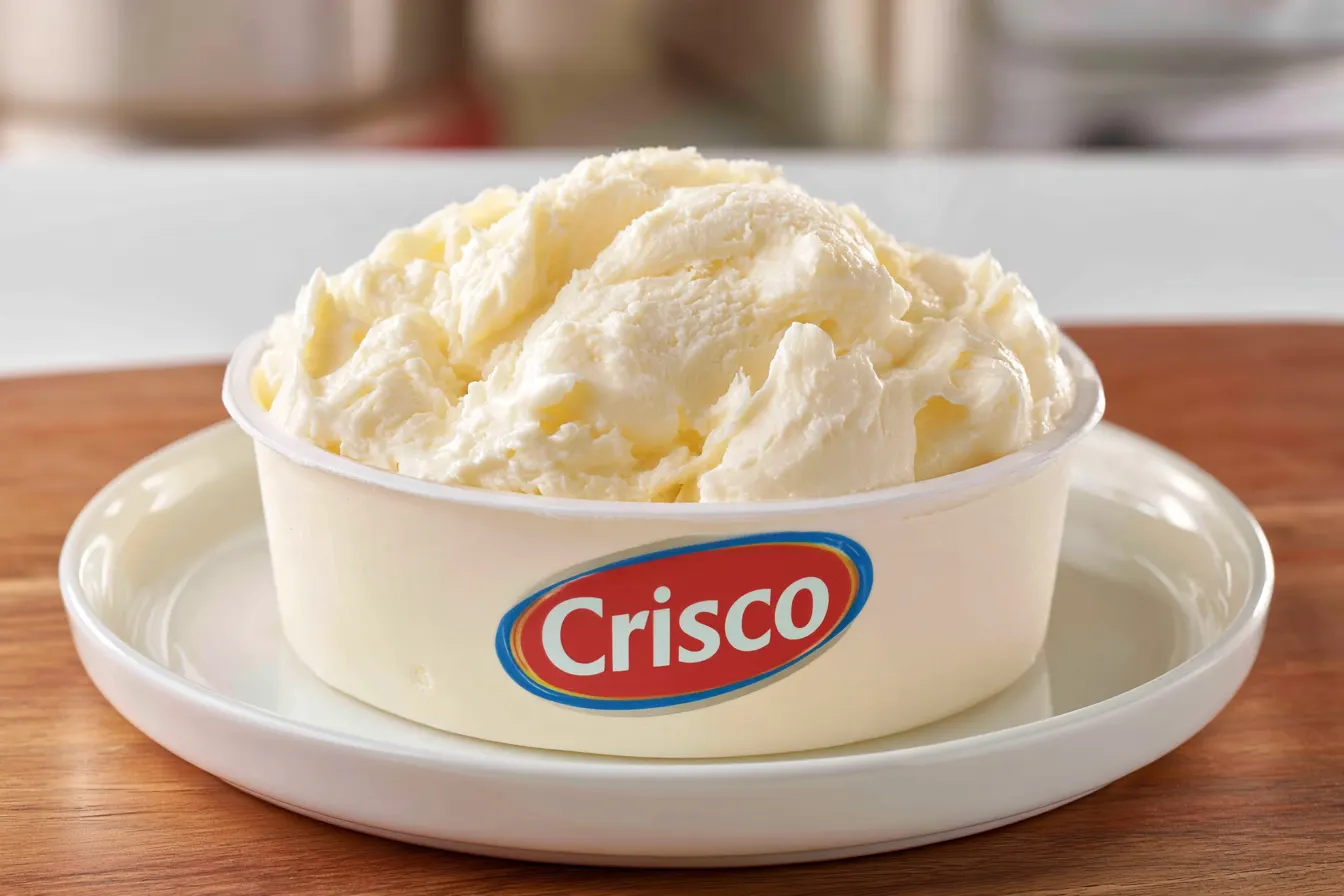
Have you ever been halfway through a recipe, butter softened, flour measured, only to realize the dreaded ingredient is missing: shortening? It’s happened to me more times than I care to admit, usually when I’m deep into a cookie or pie crust endeavor. That sinking feeling of “now what?” can really put a damper on baking enthusiasm, especially when you’re aiming for that perfect flaky crust or tender crumb. Finding the right shortening substitute can feel like a high-stakes baking emergency, but don’t worry, I’ve got your back.

Understanding Shortening: The Unsung Hero of Baking
Before we dive into what to use instead, it’s helpful to understand *why* shortening is so often called for. Unlike butter, shortening is 100% fat. Butter, on the other hand, contains about 80% fat and 20% water and milk solids. This difference is crucial. Shortening’s pure fat content means it creates a tenderizing effect without adding moisture, leading to a flakier texture in pastries and a softer crumb in cakes and cookies. Its higher melting point also contributes to its magic. When shortening melts slowly, it creates pockets of steam that help separate layers in doughs, resulting in that coveted flakiness. Plus, it has a neutral flavor, allowing the other ingredients to shine. Knowing these characteristics is key to choosing an effective shortening substitute that won’t compromise your recipe’s integrity.Why Shortening is a Baker’s Favorite (Sometimes)
Flakiness: Essential for pie crusts and biscuits. Tenderness: Creates a soft, melt-in-your-mouth texture in cookies and cakes. Stability: Its higher melting point helps baked goods hold their shape, especially in warmer conditions. Neutral Flavor: Won’t compete with other delicate flavors in your recipe.Top Shortening Substitutes: Your Pantry Power-Ups
When you need a shortening substitute, you have several excellent options, each with its own strengths. The best choice often depends on what you’re baking and what texture you’re hoping to achieve. We’ll break down the most popular and effective alternatives.Butter: The Classic Swap
Butter is probably the first thing that comes to mind, and for good reason! It’s a fantastic all-around substitute, bringing its rich flavor and a lovely golden hue to your baked goods. Because butter contains water, you might notice a slight difference in texture – often a bit less flaky and a bit more crumbly compared to shortening, but still delicious. How to Substitute: Use a 1:1 ratio. If your recipe calls for 1 cup of shortening, use 1 cup of butter. You might want to reduce other liquids in the recipe by a tablespoon or two to account for the butter’s water content, especially in delicate pastries. Best For: Cookies, cakes, muffins, quick breads. It works well for pie crusts too, though the flakiness might be slightly different. Flavor Impact: Adds a delicious, buttery taste.Margarine: A Close Cousin
Margarine is designed to mimic butter but often has a higher fat content and less water than traditional butter, making it a good alternative. It’s often made from vegetable oils, so it shares some of shortening’s characteristics. Look for stick margarine with at least 80% fat for best results. How to Substitute: Use a 1:1 ratio. Best For: Cookies, cakes, and situations where you need a dairy-free option (check labels!). Flavor Impact: Generally neutral, similar to shortening, though some brands can have a slightly artificial taste.Coconut Oil: The Tropical Twist
Unrefined coconut oil has a distinct coconut flavor, which can be wonderful in certain desserts like tropical-inspired cakes or cookies. Refined coconut oil, however, is virtually flavorless, making it a versatile shortening substitute for almost any recipe. It’s solid at room temperature and behaves similarly to shortening in terms of texture. How to Substitute: Use a 1:1 ratio. If your recipe calls for solid shortening, use solid coconut oil. If it calls for melted shortening, use melted coconut oil. Best For: Vegan baking, cookies, muffins, and some pie crusts (especially with refined coconut oil). Flavor Impact: Unrefined adds coconut flavor; refined is neutral.
Lard: The Old-School Flaky Secret
Lard, rendered pork fat, was once the go-to for incredibly flaky pie crusts and tender biscuits. It has a high melting point and pure fat content, similar to shortening. If you’re not opposed to using animal fat, it creates an exceptionally tender and flaky texture that’s hard to beat. How to Substitute: Use a 1:1 ratio. Best For: Pie crusts, biscuits, savory pastries. Flavor Impact: Very neutral when rendered properly, allowing other flavors to shine.Vegetable Oil: The Liquid Option
Vegetable oil is 100% fat, just like shortening, but it’s liquid at room temperature. This means it won’t create the same kind of structure or flakiness that solid fats do. It’s best used in recipes where the fat is incorporated into the batter or dough as a liquid, like some cakes, muffins, or quick breads. How to Substitute: Use about 25% less oil than the amount of shortening called for. For example, if a recipe calls for 1 cup of shortening, use ¾ cup of vegetable oil. Best For: Cakes, muffins, quick breads where a moist crumb is desired. Not ideal for flaky pastries or cookies that rely on fat for structure. Flavor Impact: Neutral.Applesauce: The Healthier Swap
Applesauce is a fantastic option if you’re looking to reduce fat and calories, though it won’t provide the same richness or flakiness as shortening. It adds moisture and a subtle sweetness. Keep in mind that the texture of your baked goods will be denser and softer. How to Substitute: Use a 1:1 ratio for about half the shortening, and then use another fat (like butter or oil) for the remaining half. If you substitute all the shortening with applesauce, your results will be significantly different. Best For: Muffins, quick breads, some cakes where moisture is key. Flavor Impact: Adds a mild apple flavor and sweetness.Mashed Banana or Avocado: Fruit-Based Fats
Similar to applesauce, mashed banana or avocado can replace some of the fat while adding moisture and nutrients. They will impart their own flavor and can change the texture significantly, often resulting in a softer, denser crumb. How to Substitute: Start by replacing half the shortening with mashed fruit (1:1 ratio), then evaluate. Best For: Muffins, quick breads, some brownies, or cakes where the fruit flavor is welcome. Flavor Impact: Distinct banana or avocado flavor.Nut Butters: Creamy Alternatives
Peanut butter, almond butter, or cashew butter can be used as a shortening substitute, especially in cookies or bars. They add fat, protein, and a rich, nutty flavor. Keep in mind they are denser than shortening and will change the texture and flavor profile of your baked goods. How to Substitute: Use a 1:1 ratio, but be aware of the flavor and texture changes. You may need to slightly increase liquid to compensate for density. Best For: Cookies, bars, or recipes where a strong nutty flavor is desired. Flavor Impact: Strong nutty flavor.Making the Swap: Key Considerations for Success
When choosing your shortening substitute, think about the role the fat plays in your recipe. Is it for flakiness? Tenderness? Or just to add moisture?Flakiness vs. Tenderness
For Flakiness (e.g., pie crusts, biscuits): Lard, butter, or refined coconut oil are your best bets. They are solid fats with higher melting points that create those steam pockets crucial for layers. For Tenderness and Softness (e.g., cookies, cakes): Butter, margarine, or refined coconut oil work wonderfully. Vegetable oil can also work, but remember to adjust the quantity.Flavor Profile
Consider if the substitute’s flavor will complement or clash with your recipe. Unsalted butter is generally preferred to control salt content, and refined coconut oil is best if you don’t want a coconut flavor.Dietary Needs
If you’re baking for dietary restrictions (vegan, dairy-free), coconut oil, some margarines, or vegetable oil are excellent choices. Always double-check ingredient labels.Step-by-Step Substitution Guide
Ready to make the switch? Here’s a general guide for replacing shortening in common baked goods.Replacing Shortening in Pie Crusts
This is where the flakiness factor is paramount. My personal favorite alternative here is a good quality unsalted butter. 1. Measure your fat: If your recipe calls for 1 cup of shortening, use 1 cup of very cold unsalted butter, cut into small cubes. 2. Keep it cold: Work quickly. Use cold water and avoid overworking the dough, which can develop gluten and make your crust tough. 3. Chill time: Ensure ample chilling time before rolling and baking. This helps the butter firm up and prevents shrinkage. Tip: For an extra-flaky crust, try grating your cold butter directly into the flour mixture. This creates tiny, evenly distributed butter pieces that contribute to incredible layers.Swapping Shortening in Cookies
For soft, chewy cookies, butter is a fantastic option. For a slightly crispier edge, or for vegan cookies, refined coconut oil is excellent. 1. Direct swap: Replace shortening 1:1 with softened butter or solid refined coconut oil. 2. Consider spread: Cookies made with butter might spread a bit more than those with shortening. If you notice excessive spreading, try chilling your cookie dough for 30 minutes to an hour before baking.Substituting in Cakes and Muffins
Here, the goal is often a moist, tender crumb. Butter, margarine, or even vegetable oil can work well. 1. Butter or Margarine: Use a 1:1 ratio of softened butter or margarine. 2. Vegetable Oil: If using vegetable oil, reduce the quantity by about 25%. So, if the recipe calls for 1 cup of shortening, use ¾ cup of vegetable oil. This maintains the fat content without adding too much liquid.
Common Mistakes to Avoid When Substituting Fats
Even with the best intentions, it’s easy to stumble when making substitutions. Here are a few pitfalls to watch out for: Using Liquid Fat for Flaky Pastries: Vegetable oil just won’t give you the same flaky layers as a solid fat like butter or shortening. Stick to solid options for pie crusts and biscuits. Ignoring Water Content: Butter has water; shortening doesn’t. When swapping butter for shortening, a slight adjustment to other liquids in the recipe might be necessary to maintain the right consistency, especially in very sensitive recipes. Overlooking Flavor: Unrefined coconut oil or strongly flavored margarines can overpower delicate flavors. Choose neutral options unless you want that specific taste. Not Adjusting for Texture: Expect some textural differences. A cake made with applesauce will be denser than one made with shortening. Embrace the change or adjust your expectations. Temperature Matters: If your recipe calls for *chilled* shortening, use *chilled* butter or coconut oil. If it calls for *softened*, use *softened*. Temperature is key to how fats emulsify and interact with other ingredients.Frequently Asked Questions About Shortening Substitutes
Can I use butter and shortening interchangeably in any recipe?
While often interchangeable, it’s not always a perfect 1:1 swap without considering the recipe’s specific needs. Butter (80% fat, 20% water) adds flavor and promotes browning, but can make baked goods spread more. Shortening (100% fat) leads to flakier textures and holds shape better. For most cookies and cakes, they’re quite interchangeable, but for pie crusts, butter will yield a delicious, but slightly less flaky result than shortening.
What is the best dairy-free shortening substitute?
Refined coconut oil is an excellent dairy-free and vegan alternative. It’s solid at room temperature, behaves similarly to shortening in terms of texture, and refined versions have a neutral flavor. Some plant-based margarines (check for dairy-free labels) can also work well.
Will using a shortening substitute change the taste of my baked goods?
Yes, potentially. Butter will impart a rich, buttery flavor, while unrefined coconut oil will give a distinct coconut note. Lard is generally neutral but can have a subtle savory undertone. Vegetable oil is typically flavorless. Shortening itself is neutral, so any substitute with a flavor will alter the final taste profile.
How do I substitute shortening with vegetable oil?
Since vegetable oil is 100% fat and liquid, you’ll need to use less. A good rule of thumb is to use about ¾ cup of vegetable oil for every 1 cup of shortening called for. Keep in mind that this swap works best in recipes where a dense, moist crumb is desired, like cakes or muffins, rather than flaky pastries.
Can I mix different fats when substituting for shortening?
Absolutely! Many bakers combine fats to achieve a specific texture or flavor. For instance, a mix of half butter and half shortening (or lard/coconut oil) is a classic trick for pie crusts, giving you the best of both worlds: the flavor of butter and the flakiness of shortening. Experiment to find your perfect balance!
There you have it—a comprehensive guide to navigating the world of shortening substitutes. With these options in your baking arsenal, you’ll never be caught off guard again. Happy baking!

Shortening Substitution Guide
An expert guide to finding the best shortening substitute for your baking, covering 12 different options and their uses.
📝 Ingredients
👩🍳 Instructions
- 1For a 1:1 swap in most recipes (cookies, cakes): Use softened unsalted butter, stick margarine (80% fat), or solid refined coconut oil.
- 2For flaky pastries (pie crusts, biscuits): Use very cold unsalted butter (cut into small pieces), very cold lard, or very cold refined coconut oil. Work quickly to keep fats cold.
- 3For moist cakes & muffins where reduced fat is okay: Replace half the shortening with unsweetened applesauce, mashed banana, or mashed avocado (1:1 ratio).
- 4For cakes & muffins with liquid fat: Use vegetable oil, reducing the quantity by 25% (e.g., ¾ cup oil for 1 cup shortening).
- 5For specific flavor profiles (nutty cookies/bars): Use peanut butter, almond butter, or cashew butter (1:1 ratio), understanding that flavor and texture will be significantly altered.
💡 Notes
Always consider the desired texture (flaky vs. tender) and flavor impact of your substitute. For best results, use cold fats when a recipe calls for chilled shortening, and softened fats when softened shortening is specified. Adjust other liquids in the recipe if using butter instead of shortening due to butter's water content.