


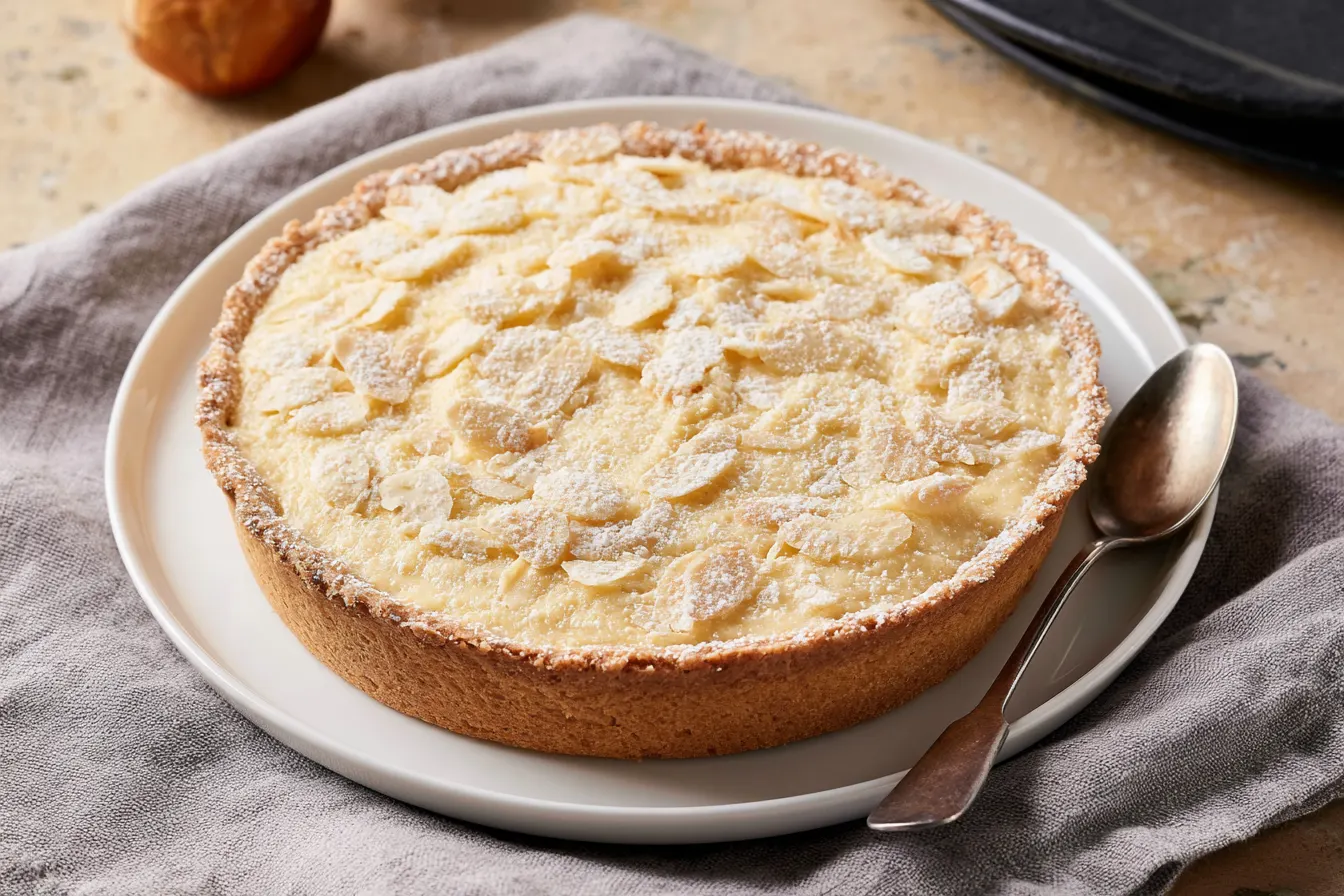
Have you ever bitten into a perfect pear tart or a classic pithivier and wondered about that luscious, subtly sweet almond filling? That, my friends, is frangipane. It’s an elegant, versatile almond cream filling that forms the heart of so many beloved French pastries. You’ll be surprised how simple it is to whip up at home with just a handful of everyday ingredients.
For years, I thought frangipane was some mysterious, labor-intensive concoction reserved for professional patissiers. Turns out, it’s incredibly forgiving and quick to prepare, making it a fantastic addition to your baking repertoire. Once you master this basic recipe, a world of delicious desserts opens up.
This recipe focuses on achieving that ideal creamy texture and balanced almond flavor, ensuring your pastries are always a hit. Let’s get baking!

Mastering the Art of Almond Cream
What truly sets a good frangipane apart from a great one? It comes down to technique and the quality of your ingredients. While the ingredient list is short, each component plays a crucial role in the final texture and taste. We’re aiming for a consistency that’s rich yet light, spreadable but holds its shape beautifully when baked.
Why This Frangipane Recipe Works Wonders
Many recipes for almond cream can end up too dense or, conversely, too loose. This particular method emphasizes a careful creaming process, which incorporates just enough air to keep the frangipane tender without making it cake-like. It also balances the sweetness, allowing the natural nutty flavor of the almonds to shine through.
The secret lies in starting with room temperature butter and eggs. This allows for a smooth emulsification, preventing a grainy texture. Cold ingredients can cause the mixture to separate or become lumpy, which we definitely want to avoid for that signature silky mouthfeel.
Your Essential Toolkit for Perfect Frangipane
You don’t need any fancy equipment to make this almond cream. A stand mixer with a paddle attachment makes quick work of creaming, but a hand mixer will also do the job beautifully. Even a sturdy whisk and a good arm can get you there if you’re feeling ambitious!
- Stand mixer with paddle attachment or hand mixer
- Large mixing bowl
- Rubber spatula
- Measuring cups and spoons
Having these basics ready will make the process smooth and enjoyable.
What Goes Into This Delightful Frangipane?
Here’s what you’ll need to create this versatile almond cream. Each ingredient contributes to the final perfection.
Ingredients for Your Silky Frangipane
- 1 cup (226g) unsalted butter, softened
- 1 cup (200g) granulated sugar
- 2 large eggs, at room temperature
- 1 teaspoon pure vanilla extract
- 1/2 teaspoon almond extract (optional, but highly recommended for depth)
- 2 cups (200g) almond flour (finely ground blanched almonds)
- 1/4 cup (30g) all-purpose flour
- Pinch of salt

A quick note on ingredients: always opt for good quality almond flour. It makes a significant difference in both texture and flavor. Blanched, finely ground almond flour is ideal for the smoothest result.
Whipping Up Your Almond Cream: Step-by-Step
Follow these steps carefully, and you’ll have a gorgeous batch of frangipane ready for your baking adventures.
Step 1: Creaming the Butter and Sugar
In a large mixing bowl, combine the softened unsalted butter and granulated sugar. Using your stand mixer fitted with the paddle attachment (or a hand mixer), beat on medium speed until the mixture is light, fluffy, and pale in color. This usually takes about 3-5 minutes. Scrape down the sides of the bowl occasionally to ensure everything is well combined.
Step 2: Incorporating the Eggs and Extracts
Add the large eggs one at a time, beating well after each addition until fully incorporated. The mixture might look a little curdled at first, but keep beating, and it will come together smoothly. Stir in the vanilla extract and, if using, the almond extract.
Step 3: Adding the Dry Ingredients
In a separate small bowl, whisk together the almond flour, all-purpose flour, and a pinch of salt. This ensures even distribution and prevents lumps.
Step 4: Combining for Perfection
With the mixer on low speed, gradually add the dry ingredients to the wet ingredients. Mix only until just combined. Be careful not to overmix, as this can develop the gluten in the all-purpose flour, leading to a tougher frangipane.
Tip: If you find your frangipane a little too stiff for spreading, you can add a tablespoon or two of milk or cream, mixing until it reaches your desired consistency. This is especially helpful if your eggs were on the smaller side.
Step 5: Ready to Use
Your frangipane is now ready! It should be thick, smooth, and easily spreadable. You can use it immediately in your chosen recipe or store it for later.

Frequently Asked Questions About Frangipane
Got questions? I’ve got answers to some of the most common queries about making and using this delightful almond cream.
What’s the difference between frangipane and marzipan?
Ah, a classic question! Marzipan is a confection made primarily from ground almonds, sugar, and sometimes egg whites, often used for sculpting or as a candy. It’s firm and dough-like. Frangipane, on the other hand, is a cream or custard-like filling that includes butter, eggs, sugar, and almond flour, designed to be baked. It’s much softer and bakes up into a tender, cake-like texture.
Can I make frangipane ahead of time?
Absolutely! Frangipane is excellent for make-ahead prep. You can store it in an airtight container in the refrigerator for up to 3-4 days. Just bring it back to room temperature and give it a quick stir before using.
Can frangipane be frozen?
Yes, it freezes beautifully! Place it in a freezer-safe, airtight container and it will keep for up to 1 month. Thaw it overnight in the refrigerator, then let it come to room temperature before using. You might need to give it a good whisk to restore its smooth consistency.
What can I use frangipane for?
The possibilities are endless! It’s fantastic in tarts (like pear, cherry, or apple tarts), galettes, croissants (hello, almond croissants!), pithiviers, and even as a filling for cakes or pastries. It adds a wonderful moistness and nutty flavor to anything it touches.
My frangipane looks curdled, what went wrong?
Don’t panic! This often happens if your butter or eggs were too cold, or if you added the eggs too quickly. Keep beating, and it will usually come together. If it’s still looking a bit separated, a tablespoon of warm milk or cream can sometimes help bring it back. The good news is that even if it looks a little off before baking, it usually bakes up just fine.
Serving Suggestions and Flavor Variations
Once you have your basic frangipane down, you can start playing with it! It’s a fantastic canvas for other flavors.
Classic Pairings
Frangipane shines brightest when paired with fruits that can stand up to its richness. Pears are a classic for a reason – their delicate sweetness and texture are perfect. Cherries, plums, and apples also work wonderfully.
A simple dusting of powdered sugar after baking is often all it needs. Or, a dollop of crème fraîche or a scoop of vanilla bean ice cream takes it to another level.
Creative Twists
- Citrus Zest: Add 1-2 teaspoons of finely grated lemon or orange zest to the frangipane mixture. This brightens the flavor beautifully, especially when paired with berries.
- Spices: A pinch of cinnamon, cardamom, or even a tiny grating of fresh nutmeg can add a warm, complex note. This works particularly well with apple or pear tarts.
- Chocolate: Swirl in a few tablespoons of melted dark chocolate or mini chocolate chips for a decadent chocolate-almond experience.
- Nutty Enhancements: While it’s already almond-based, a tablespoon of hazelnut flour mixed in can add another layer of nutty depth.
Don’t be afraid to experiment! The beauty of frangipane is its adaptability.
Common Missteps to Sidestep for Stellar Frangipane
Even though frangipane is relatively simple, there are a few common pitfalls that can prevent it from reaching its full potential. Knowing these can help you avoid them.
Using Cold Ingredients
As mentioned earlier, cold butter and eggs are the arch-nemeses of smooth frangipane. If your butter isn’t properly softened, it won’t cream correctly with the sugar, leading to a lumpy base. Cold eggs can cause the mixture to seize or curdle, making it difficult to emulsify. Plan ahead and let everything come to room temperature.
Overmixing the Flour
Once you add the almond and all-purpose flours, mix only until just combined. Overmixing develops the gluten in the small amount of all-purpose flour, which can make the frangipane tough and cake-like rather than tender and custardy. A few gentle folds with a spatula after the mixer has done its work are usually sufficient.
Forgetting the Salt
A tiny pinch of salt might seem insignificant, but it’s crucial for balancing the sweetness and enhancing the nutty flavor of the almonds. Without it, the frangipane can taste a little flat. Don’t skip it!
Using Almond Meal Instead of Almond Flour
While both come from almonds, almond meal is typically coarser and often includes the skin, leading to a grainier texture and a slightly different flavor. For the silkiest frangipane, finely ground blanched almond flour is the way to go. If you only have almond meal, you can still use it, but be aware the texture will be less refined.
Storage and Shelf Life
Once baked into a dessert, frangipane-filled treats store quite well.
An assembled and baked tart or pastry with frangipane can be kept at room temperature for 1-2 days, covered loosely. For longer storage, it’s best to refrigerate. It will last up to 4-5 days in the fridge. Allow it to come to room temperature or gently warm it before serving for the best flavor and texture.
Freezing baked frangipane desserts is also an option. Wrap individual portions tightly in plastic wrap and then in foil, and freeze for up to 1 month. Thaw in the refrigerator overnight, then gently reheat in a low oven if desired.
This almond cream is a true workhorse in the kitchen, providing a delightful foundation for so many memorable desserts. Enjoy making and sharing it!

Classic Frangipane (Almond Cream)
A simple and versatile almond cream filling, perfect for tarts, croissants, and other French pastries.
📝 Ingredients
👩🍳 Instructions
- 1In a large mixing bowl, cream together the softened unsalted butter and granulated sugar using a stand mixer fitted with the paddle attachment (or a hand mixer). Beat on medium speed for 3-5 minutes, until the mixture is light, fluffy, and pale in color. Scrape down the sides of the bowl as needed.
- 2Add the large eggs one at a time, beating well after each addition until fully incorporated. Stir in the vanilla extract and almond extract (if using). Continue to beat until the mixture is smooth and well emulsified.
- 3In a separate small bowl, whisk together the almond flour, all-purpose flour, and a pinch of salt to combine evenly.
- 4With the mixer on low speed, gradually add the dry ingredients to the wet ingredients. Mix only until just combined and no streaks of flour remain. Be careful not to overmix.
- 5Your frangipane is now ready to use in your favorite tart, pastry, or other dessert recipes. It should be thick, smooth, and easily spreadable.
💡 Notes
Store leftover frangipane in an airtight container in the refrigerator for up to 3-4 days, or freeze for up to 1 month. Bring to room temperature and stir well before using. For a slightly looser consistency, add a tablespoon or two of milk or cream if needed.