


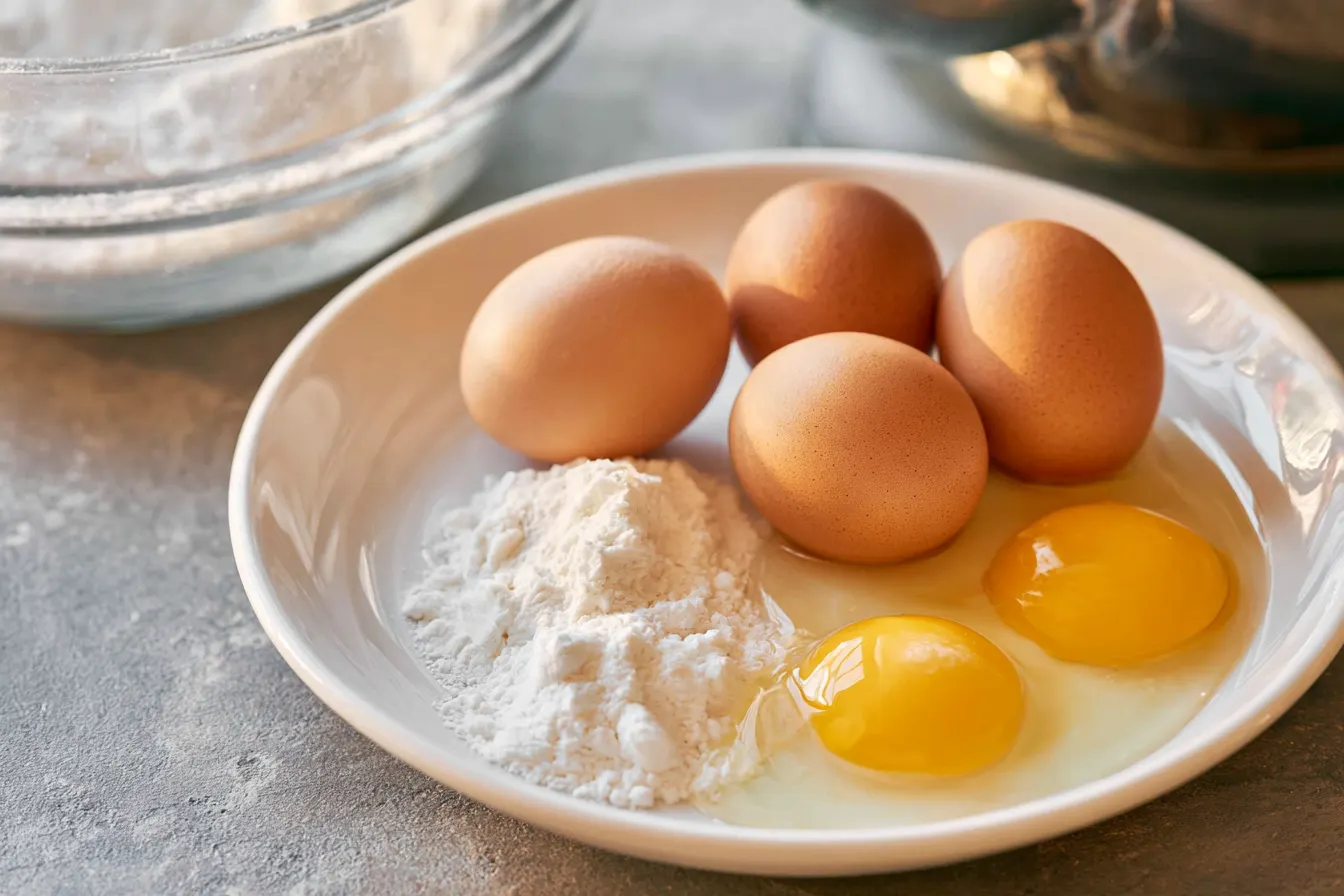
Ever peered into a mixing bowl, watched a cake rise (or not rise!), and pondered the silent, unsung heroes behind the magic? More often than not, it’s those humble ovum, the incredible egg, doing all the heavy lifting. I mean, what do eggs do in baking that makes them so utterly indispensable in our favorite recipes?
- The Structural Backbone: How Eggs Build Your Bakes
- Moisture, Flavor, and That Golden Hue
- Emulsification: The Unsung Hero of Smooth Textures
- Cooking with Eggs: Tips for Success
- The Great Egg Debate: Yolks vs. Whites
- Common Egg-Related Baking Woes (and How to Fix Them)
- FAQs: Your Egg-cellent Baking Questions Answered
- Beyond the Basics: The Versatility of Eggs
For years, I just cracked ’em in. Two eggs for a batch of cookies, three for a cake. It was a reflex, a line item in a recipe. But as I started getting deeper into the “why” of baking, dissecting ingredient roles and tweaking formulas, I realized the egg is less of a simple binder and more of a multi-talented superstar.
Understanding their function isn’t just for baking nerds (like me!); it genuinely elevates your baking. Knowing the science means you can troubleshoot a flat cake, adapt a recipe, or even create your own with confidence. Let’s peel back the shell and see what makes them tick!

When you’re whipping up a batch of brownies or a delicate soufflé, the egg plays many roles, often simultaneously. It’s a leavening agent, a binder, an emulsifier, and a source of moisture, among other things. Without them, many of our beloved baked treats simply wouldn’t exist in their familiar forms.
It’s fascinating to think that one ingredient can contribute so much to the texture, structure, and flavor of a dish. From the airy lift in a meringue to the rich chewiness of a cookie, eggs are constantly working their magic. Let’s break down some of their key contributions.
The Structural Backbone: How Eggs Build Your Bakes
One of the most crucial roles eggs play is in providing structure. When egg proteins heat up, they coagulate and create a network that traps air and helps baked goods hold their shape. Think about a towering soufflé or a perfectly set custard – that’s the egg proteins doing their job.
Without this structural support, your cakes would crumble, your custards wouldn’t set, and your meringues would be sad, deflated puddles. It’s truly the foundation upon which many recipes are built. This is why getting the right number of eggs is so important; too few and things fall apart, too many and your bake can become rubbery.
Binding Ingredients Together
Eggs act as a natural glue, holding disparate ingredients together. In a meatloaf or a veggie burger, eggs prevent everything from falling apart. In baking, this binding power is essential for cookies, muffins, and quick breads. They create a cohesive matrix, ensuring that flour, sugar, and fat all play nicely together.
Have you ever tried to make a recipe without eggs and found it crumbly or impossible to shape? That’s the binding power you’re missing.
Leavening for Lightness and Lift
Beaten eggs, especially egg whites, are champions of aeration. When you whip egg whites, you incorporate air, creating a foam that expands when heated. This expansion is what gives meringues their incredible volume and light, airy texture. In cakes and muffins, beaten eggs contribute to a tender crumb and a good rise.
This leavening action is distinct from chemical leaveners like baking soda or powder. Eggs provide a delicate, stable lift that’s hard to replicate with other ingredients. It’s part of the secret behind fluffy pancakes and airy sponges.
Moisture, Flavor, and That Golden Hue
Beyond structure, eggs bring a lot more to the party. They contribute moisture, enrich flavor, and even influence the color and sheen of your finished products.

Adding Essential Moisture
Eggs are largely water, which means they add crucial moisture to your baked goods. This moisture helps keep cakes tender and prevents them from drying out too quickly. The fat in egg yolks also contributes to richness and a moist mouthfeel, making for a more luxurious eating experience.
Recipes that are too dry often suffer from a lack of moisture-contributing ingredients, and eggs are a big part of that equation. They ensure a balanced, pleasant texture.
Enrichment and Flavor Depth
Egg yolks, with their high fat content, are incredible emulsifiers and flavor enhancers. They add a richness and depth of flavor that’s hard to achieve otherwise. Think of the decadent taste of a homemade custard or a rich brioche – much of that comes from the yolks.
They contribute to a more complex flavor profile, rounding out the sweetness and providing a savory counterpoint that balances the overall taste. This is why some recipes specifically call for extra yolks, like a truly indulgent ice cream base.
Color and Appearance
Ever notice the beautiful golden crust on a challah bread or the vibrant yellow of a lemon curd? Much of that comes from eggs. Egg yolks contribute a natural yellow hue to batters and doughs. When brushed on top of pastries, an egg wash provides a beautiful golden-brown sheen and encourages browning.
This browning isn’t just for looks; it also contributes to desirable crust development and flavor through the Maillard reaction. It makes our food look as good as it tastes.
Emulsification: The Unsung Hero of Smooth Textures
This is where egg yolks really shine. They contain lecithin, a natural emulsifier that helps blend ingredients that normally wouldn’t mix, like oil and water. In baking, this means smoother batters, more stable custards, and a finer crumb structure.
Without emulsification, fats and liquids would separate, leading to greasy, inconsistent textures. Eggs ensure everything is evenly distributed, leading to a more homogenous and pleasant final product.
Cooking with Eggs: Tips for Success
Now that we’ve covered the “what” do eggs do in baking, let’s talk about the “how.” Using them effectively is key to successful baking.
Bringing Eggs to Room Temperature
Many recipes call for room temperature eggs, and for good reason. Warmer eggs emulsify better with other ingredients, creating a smoother, more uniform batter. They also whip up to a greater volume than cold eggs, leading to lighter bakes.
To quickly bring eggs to room temperature, place them in a bowl of warm (not hot!) water for 5-10 minutes before using. It’s a small step that makes a big difference.
Separating Eggs with Ease
Some recipes require egg whites and yolks to be separated. The easiest way to do this is when the eggs are cold, as the yolks are firmer and less likely to break. Once separated, let the whites come to room temperature if you plan to whip them for maximum volume.
A tiny bit of yolk in your whites can prevent them from whipping properly, so be careful! Use three bowls: one for the whole egg, one for the white, and one for the yolk, so if you break a yolk, you only contaminate one white.
The Great Egg Debate: Yolks vs. Whites
It’s not just about the whole egg; sometimes, specific components are called for. Understanding the distinct roles of yolks and whites can unlock a whole new level of baking expertise.
The Power of Egg Yolks
Yolks are rich in fat, lecithin (our emulsifier friend), and flavor. They contribute moisture, richness, color, and tenderness. Recipes calling for extra yolks, like pastry creams or custards, are aiming for that intensely creamy texture and deep flavor.
They also prevent gluten development, leading to a more tender crumb. Think about shortbread or pie crusts – often richer in fat and sometimes egg yolks for that melt-in-your-mouth quality.
The Versatility of Egg Whites
Egg whites are almost pure protein and water. Their primary role is aeration and structure. Whipped egg whites create foams that trap air, providing incredible lift and lightness. Meringues, soufflés, and angel food cakes rely heavily on this property.
They contribute very little fat or moisture, making them ideal for light, airy structures that aren’t weighed down. They also provide structure without adding richness, which is perfect for delicate bakes.

Common Egg-Related Baking Woes (and How to Fix Them)
Even with perfect ingredients, sometimes things go awry. Here’s a quick look at common issues where eggs might be the culprit.
Why Did My Cake Sink?
Often, a sunken cake can be attributed to too much leavening, either from chemical leaveners or from over-whipped eggs that then collapse. It could also be that the oven door was opened too soon, causing a sudden temperature drop before the egg proteins had fully set.
Ensure your oven temperature is accurate and try not to peek until the cake is mostly set. Also, don’t overmix your batter once flour is added, as this can develop too much gluten and lead to a tough, sunken texture.
My Meringue Won’t Stiffen!
The most common culprit here is fat. Even a tiny speck of egg yolk or grease from your bowl or whisk can prevent egg whites from whipping into a stiff, stable meringue. Ensure your equipment is impeccably clean and dry.
Another factor is temperature; room temperature egg whites whip up much better than cold ones. Humidity can also play a role, making it harder for meringues to hold their shape.
Why is My Custard Scrambled?
Custards, like crème brûlée or quiche, rely on gentle heat to slowly set egg proteins. If the heat is too high or too fast, the proteins coagulate too quickly and tightly, leading to a curdled, scrambled texture. This is why many custards are baked in a water bath.
Slow and steady wins the race with custards. Use a lower temperature and a water bath to ensure even, gentle cooking.
FAQs: Your Egg-cellent Baking Questions Answered
What’s the difference between large and extra-large eggs in baking?
Standard recipes typically assume large eggs, which weigh about 2 ounces (57 grams) each. Extra-large eggs are slightly larger, about 2.25 ounces. For most recipes, the difference of a quarter ounce won’t drastically impact the outcome, but for delicate bakes like custards or soufflés, sticking to large eggs is best for consistent results.
Can I substitute duck eggs for chicken eggs in baking?
Yes, but with some adjustments! Duck eggs are generally larger and have a higher yolk-to-white ratio and a richer yolk. This means they add more fat and moisture. You might need to use fewer duck eggs than chicken eggs, or reduce other liquids in the recipe to compensate for the extra moisture and richness.
What if a recipe calls for only egg yolks or egg whites?
When a recipe specifically calls for yolks, it’s usually to add richness, tenderness, and emulsification without adding too much moisture or requiring the airy structure that whites provide. When it calls for whites, it’s often for leavening (like in meringues or angel food cake) or to create a lighter, fat-free structure.
Are brown eggs different from white eggs for baking?
Nope! The color of an eggshell is determined by the breed of the hen and has absolutely no bearing on the egg’s nutritional content, flavor, or baking performance. Feel free to use either brown or white eggs interchangeably in your recipes.
How can I tell if an egg is fresh enough for baking?
A simple test: gently place the egg in a bowl of cold water. If it sinks to the bottom and lies on its side, it’s very fresh. If it stands upright but still touches the bottom, it’s still good. If it floats to the surface, it’s past its prime and should be discarded. Fresh eggs are best for tasks like poaching, but slightly older (but still good) eggs are often better for hard-boiling or even whipping whites, as the whites separate more easily.
Beyond the Basics: The Versatility of Eggs
So, the next time you crack an egg into your batter, take a moment to appreciate its multifaceted role. It’s not just an ingredient; it’s an engineering marvel, a flavor enhancer, and a structural architect all rolled into one humble package. Understanding what do eggs do in baking truly empowers you to be a more intuitive and successful baker. Happy baking!

Classic Vanilla Bean Custard
A rich and creamy classic vanilla bean custard, perfect as a dessert or a base for other creations.
📝 Ingredients
👩🍳 Instructions
- 1In a medium saucepan, combine the whole milk, vanilla bean pod, and vanilla bean seeds. Bring the mixture to a simmer over medium heat, stirring occasionally. Once simmering, remove from heat, cover, and let steep for 15 minutes to infuse the vanilla flavor.
- 2While the milk is steeping, whisk together 1/4 cup of the granulated sugar, egg yolks, cornstarch, and salt in a medium bowl until smooth and pale. Ensure there are no lumps.
- 3Remove the vanilla bean pod from the milk mixture. Gradually temper the hot milk into the egg yolk mixture: slowly pour about half a cup of the hot milk into the egg yolk mixture, whisking constantly to prevent the eggs from scrambling. Repeat this process until about half of the milk has been incorporated into the egg mixture.
- 4Pour the tempered egg mixture back into the saucepan with the remaining milk. Return the saucepan to medium-low heat. Cook, whisking constantly, until the custard thickens to a pudding-like consistency and just begins to bubble, about 5-8 minutes. It should coat the back of a spoon. Tip: Do not boil the custard vigorously, as this can cause it to curdle. Keep the heat gentle.
- 5Remove the custard from the heat. Stir in the remaining 1/4 cup of granulated sugar and the cold, cubed unsalted butter until fully melted and incorporated. The butter will add gloss and richness.
- 6Pour the custard through a fine-mesh sieve into a clean bowl to remove any potential lumps or stray vanilla bean particles, ensuring a perfectly smooth texture. Note: This step is crucial for an ultra-smooth custard.
- 7Cover the surface of the custard directly with plastic wrap to prevent a skin from forming as it cools. Refrigerate for at least 4 hours, or preferably overnight, until thoroughly chilled and set.
💡 Notes
For an extra-rich custard, you can substitute 1/4 cup of the milk with heavy cream. This custard is excellent on its own, served with fresh berries, or as a filling for tarts and pastries. It will keep well in the refrigerator for up to 3-4 days.