


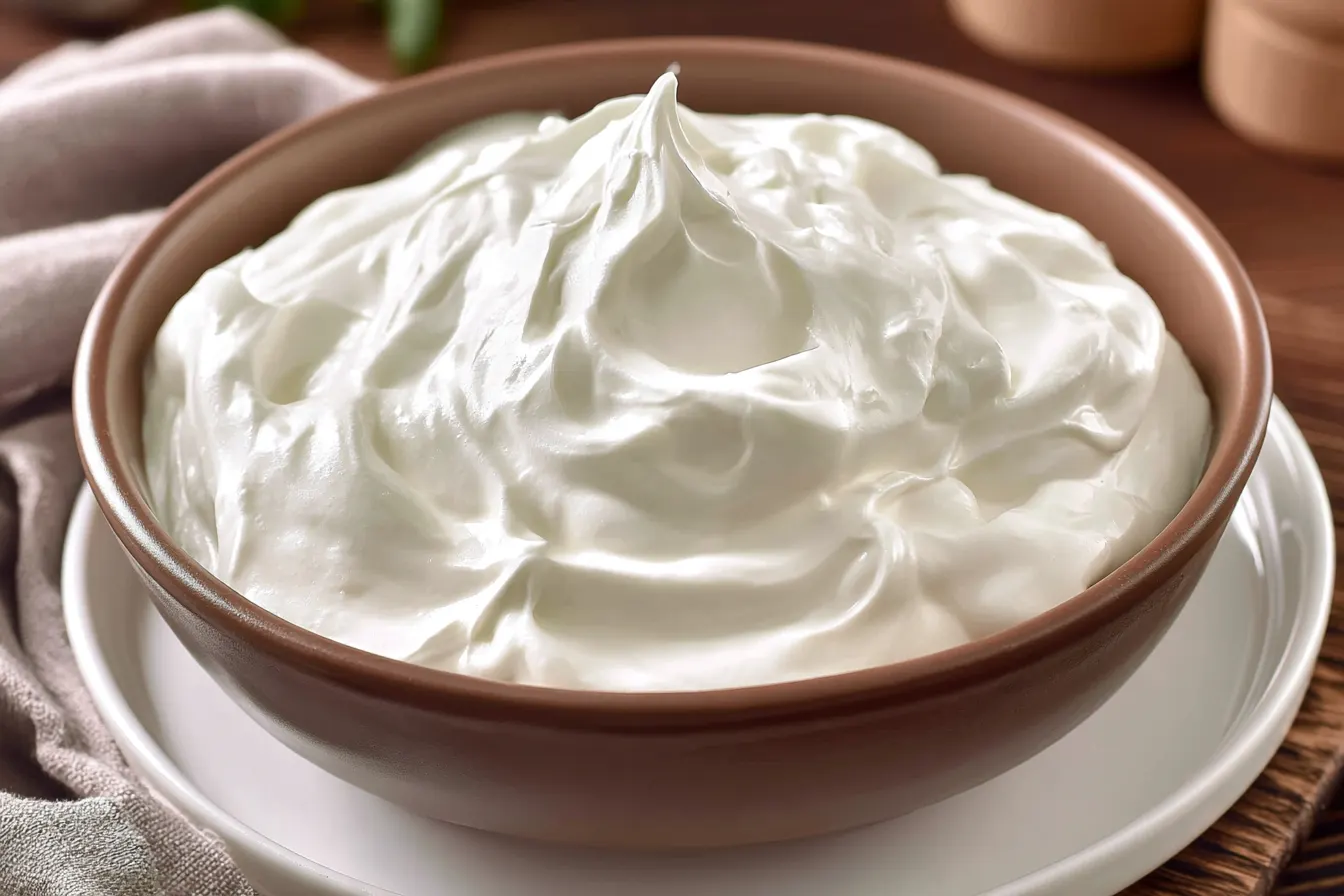
Ever been halfway through a recipe, butter softened, flour measured, only to realize your sour cream container in the fridge is… empty? Or worse, expired? It’s a kitchen moment many of us have faced, a tiny culinary crisis that can derail dinner plans. Fear not, because having a reliable sour cream substitute up your sleeve is like possessing a secret superpower for any home cook.
Contents

Why Do We Even Need a Sour Cream Substitute?
Sour cream plays a few vital roles in recipes, and understanding them is key to choosing the right stand-in. It brings a characteristic tang, a rich creaminess, and moisture that can prevent baked goods from drying out. That slight acidity also helps tenderize proteins and activate baking soda, giving cakes and muffins a beautiful lift.The Science of Sour Cream
Traditional sour cream is made by fermenting regular cream with lactic acid bacteria. This process thickens the cream and gives it that distinctive tart flavor. When we look for a substitute, we’re essentially trying to replicate one or more of these properties: the texture, the acidity, and the fat content. Different substitutes excel in different areas, which is why a one-size-fits-all approach doesn’t always work perfectly.Dairy-Based Alternatives: When You Just Need a Quick Swap
Sometimes, you have other dairy products on hand that can easily step in. These are often the quickest fixes when you’re just missing that one specific ingredient.Yogurt: A Common Kitchen Hero
Plain yogurt, especially Greek yogurt, is perhaps the most popular and readily available sour cream substitute. Its thick texture and tangy flavor make it an excellent stand-in for many applications.Greek Yogurt vs. Regular Yogurt
Greek yogurt is thicker and has a higher protein content, making it a fantastic 1:1 replacement in most recipes, from dips to baked goods. Regular plain yogurt can also work, but it’s often thinner. If using regular yogurt, you might want to strain it through a coffee filter or cheesecloth for an hour or so to remove excess whey, which will thicken it up significantly. This extra step ensures your dish doesn’t become too watery.When to Use Yogurt
Baked Goods: Cakes, muffins, quick breads. It adds moisture and tenderness. Dips and Dressings: Perfect for a creamy, tangy base. Toppings: Dollop it on chili, tacos, or baked potatoes. Marinades: The acidity helps tenderize meat.Buttermilk: The Tangy Liquid Gold
Buttermilk brings a wonderful tang and acidity, similar to sour cream, but it’s much thinner. This makes it ideal for recipes where you primarily need the acidic component and moisture, rather than the thick texture.How to Use Buttermilk
If your recipe calls for sour cream and you’re using buttermilk, you’ll need to adjust for the liquid content. For every cup of sour cream, you might start with about ¾ cup of buttermilk and reduce other liquids in the recipe slightly. It’s particularly good in pancakes, waffles, biscuits, and some quick breads where its acidity reacts beautifully with baking soda for a tender crumb.Crème Fraîche: The Sophisticated Cousin
Crème fraîche is similar to sour cream but has a higher fat content and a less pronounced tang. It’s also less likely to curdle when heated, making it excellent for sauces and soups.When Crème Fraîche Shines
While it can be a 1:1 substitute in terms of texture and richness, its milder flavor means your dish might be slightly less tangy. It’s perfect for delicate sauces, or as a luxurious topping for fruit and desserts. If you want more tang, a tiny squeeze of lemon juice can bridge the gap.
Ricotta Cheese + Lemon Juice: A Creamy Blend
This might sound a little unconventional, but hear me out! Ricotta cheese is creamy and mild. Blending it until smooth with a touch of lemon juice and a splash of milk or cream can create a surprisingly good sour cream substitute, especially for recipes where texture is paramount.Creating Your Ricotta Sour Cream
For about 1 cup of sour cream, blend ½ cup ricotta cheese with 2-3 tablespoons milk or cream and 1-2 teaspoons fresh lemon juice until completely smooth. You might need to adjust the liquid to get the right consistency. It works well in dips, as a spread, or folded into casseroles.Dairy-Free and Vegan Options: For Every Dietary Need
The world of plant-based cooking has exploded, bringing with it some fantastic dairy-free sour cream alternatives that are just as versatile and delicious.Cashew Cream: The Silky Smooth Vegan Star
Cashew cream is a staple in vegan kitchens for a reason: it’s incredibly versatile, creamy, and can be flavored to mimic just about anything. With a little lemon juice and apple cider vinegar, it makes a spot-on dairy-free sour cream substitute.Making Cashew Sour Cream
Ingredients: 1 cup raw cashews (soaked), ½ cup water (or less, for thicker cream), 1-2 tablespoons lemon juice, 1 teaspoon apple cider vinegar, ¼ teaspoon salt. Instructions: Soak cashews in hot water for at least 30 minutes (or cold water for 4 hours). Drain thoroughly. Blend cashews with water, lemon juice, apple cider vinegar, and salt until perfectly smooth and creamy. Adjust water for desired consistency and lemon juice/vinegar for tang. Uses: Excellent in dips, sauces, baked potatoes, tacos, and even some baked goods.Coconut Cream: A Tropical Twist
For those who don’t mind a subtle coconut flavor (or where it complements the dish), coconut cream can be a wonderful dairy-free option. Make sure to use full-fat coconut cream, not coconut milk, for the best consistency.Using Coconut Cream as a Substitute
Chill a can of full-fat coconut milk overnight. Open it carefully and scoop out the thick cream that has solidified at the top. You can whisk this with a little lemon juice or apple cider vinegar to add that characteristic tang. It’s particularly good in curries, soups, and desserts where a hint of coconut is welcome.Tofu Sour Cream: High Protein, Low Fuss
Silken tofu, with its incredibly smooth texture, can be blended with a few key ingredients to create a surprisingly convincing dairy-free sour cream. It’s also much lower in fat than other options.Whipping Up Tofu Sour Cream
Ingredients: 1 block (12-14 oz) silken tofu, 2 tablespoons lemon juice, 1 tablespoon apple cider vinegar, 1 tablespoon nutritional yeast (optional, for cheesy flavor), ½ teaspoon salt. Instructions: Drain the tofu well. Blend all ingredients until completely smooth and creamy. Taste and adjust seasonings. Best For: Dips, dressings, and as a topping. Its texture is very similar, though it might not behave exactly the same in baked goods due to its water content.DIY Sour Cream: When You Have the Time
If you’re out of sour cream but have heavy cream and a little patience, you can actually make your own! It’s surprisingly simple and yields a fresh, delicious product.Homemade Sour Cream Recipe
Ingredients: 1 cup heavy cream, 1 tablespoon lemon juice or white vinegar, 1 tablespoon milk (optional, for thinner consistency). Instructions: 1. Combine heavy cream and lemon juice (or vinegar) in a clean jar. Stir well. 2. Cover loosely with a lid or cheesecloth and let it sit at room temperature for 24-48 hours. The mixture will thicken and develop a tangy flavor. The warmer your kitchen, the faster it will ferment. 3. Once it reaches your desired thickness and tang, stir it well and refrigerate. It will continue to thicken slightly in the fridge. 4. Note: If you want a slightly thinner consistency from the start, you can add a tablespoon of regular milk along with the lemon juice. Shelf Life: Homemade sour cream will last about 1-2 weeks in the refrigerator.
Choosing Your Sour Cream Stand-In: A Quick Guide
The best sour cream substitute really depends on what you’re making. Here’s a quick cheat sheet to help you decide: For Baking (Cakes, Muffins): Greek yogurt (1:1), homemade sour cream, or cashew cream. You need the fat, moisture, and acidity. For Dips & Dressings: Greek yogurt (1:1), cashew cream, tofu sour cream, or blended ricotta. Texture and tang are key. For Topping (Tacos, Chili, Baked Potatoes): Greek yogurt (1:1), crème fraîche, cashew cream, or tofu sour cream. Appearance and creaminess matter here. For Sauces (where heating is involved): Crème fraîche (less likely to curdle), or Greek yogurt (stirred in at the very end off the heat to prevent curdling). For Marinades: Buttermilk, Greek yogurt, or homemade sour cream. Acidity is the main player.Frequently Asked Questions About Sour Cream Substitutes
Got more questions bubbling up? Here are some common queries I hear.Can I use milk and vinegar as a sour cream substitute?
While milk and vinegar (or lemon juice) can create a buttermilk substitute, it’s generally too thin to replace sour cream directly. Sour cream has a much higher fat content and thicker texture. You might be able to create a very thin sour cream-like liquid, but it won’t provide the same richness or body.What’s the best sour cream substitute for cheesecake?
For cheesecake, you need that classic tang, richness, and thick texture. Greek yogurt is an excellent choice, often yielding a slightly lighter cheesecake. Crème fraîche also works wonderfully, providing a luxurious texture with a milder tang. If you’re going dairy-free, a well-made cashew sour cream can create a surprisingly similar texture and flavor profile.Can I freeze sour cream?
Technically, yes, but it’s not ideal. Freezing sour cream (or most of its substitutes like yogurt) can alter its texture significantly. It tends to become grainy and watery upon thawing, which isn’t great for dishes where smooth texture is important (like dips or toppings). It might be acceptable for baking or cooking where the texture change will be less noticeable once incorporated into the dish.Is sour cream the same as Mexican crema?
They are similar but not identical! Mexican crema is generally thinner, less tangy, and often has a slightly richer flavor due to its higher fat content. It’s also less likely to curdle when heated. You can often use them interchangeably in many dishes, but know that crema will provide a milder, creamier profile.What if I only have regular cream? Can I make sour cream instantly?
You can’t make *instant* sour cream in the true sense, as the fermentation process takes time. However, you can create an “acidified cream” that mimics some of sour cream’s qualities for immediate use. Mix 1 cup of heavy cream with 1 tablespoon of lemon juice or white vinegar. Let it sit for 5-10 minutes until it slightly thickens. It won’t be as thick or tangy as true sour cream, but it can work in a pinch for some recipes.
Homemade Sour Cream (Quick Version)
A simple and quick method to make your own sour cream at home using just two ingredients.
📝 Ingredients
👩🍳 Instructions
- 1In a clean glass jar or bowl, combine the heavy cream and lemon juice (or white vinegar). Stir well to ensure the acid is evenly distributed.
- 2Cover the jar loosely with a lid, plastic wrap, or cheesecloth. This allows air to circulate while protecting the mixture.
- 3Let the mixture sit at room temperature (ideally between 68-75°F / 20-24°C) for 24 to 48 hours. The cream will thicken and develop a tangy flavor as it ferments. The warmer your kitchen, the faster this process will occur.
- 4After 24-48 hours, check the consistency and taste. It should be noticeably thicker and have a pleasant tangy flavor, similar to store-bought sour cream. If it's not tangy enough for your liking, let it sit for a few more hours.
- 5Once desired thickness and tang are achieved, stir the homemade sour cream well. It may have a slightly lumpy appearance before stirring.
- 6Transfer to an airtight container and refrigerate. The sour cream will continue to thicken slightly in the refrigerator.
💡 Notes
This homemade sour cream is perfect for baking, dolloping on tacos, or stirring into soups. It will last for about 1-2 weeks in the refrigerator. For a slightly thinner sour cream, you can add 1 tablespoon of regular milk along with the lemon juice in the initial step.
🥗 Nutrition (per serving)
Calories 490 kcal
Protein 3g
Total Fat 52g
Saturated Fat 33g
Carbs 4g
Fiber 0g
Sugar 4g
Sodium 38mg
Cholesterol 180mg
Rate This Recipe
☆ ☆ ☆ ☆ ☆