


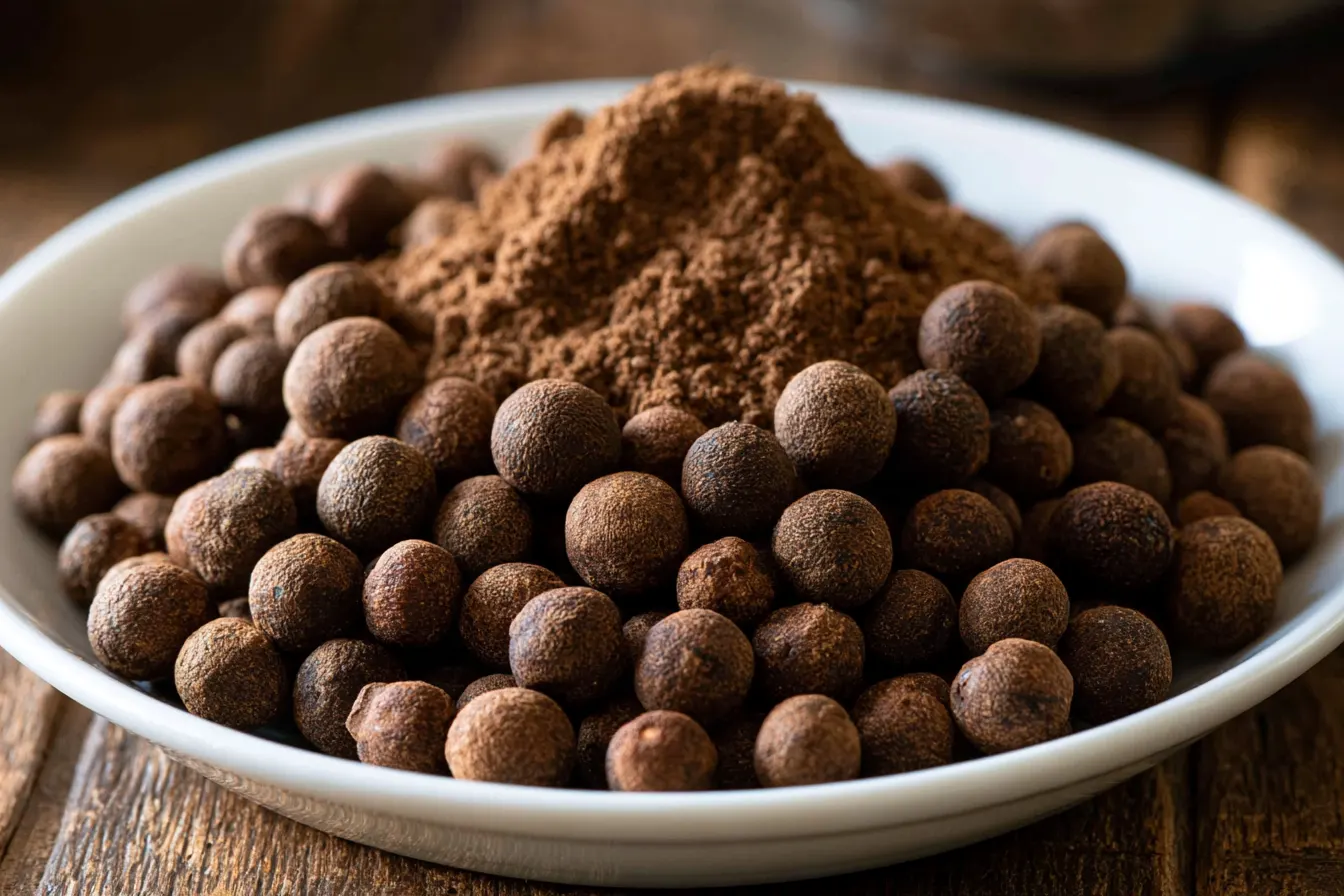
Ever been halfway through a recipe, reaching for that familiar jar of allspice, only to find it’s completely empty? It’s happened to the best of us, and in that moment, panic can set in. But don’t you worry your whisk-wielding self! Finding an allspice substitute is far easier than you might think, and you probably have the solution hiding in your spice rack right now.
Contents
- What Exactly *Is* Allspice, Anyway?
- The DIY Allspice Blend: Your Go-To Rescue Mix
- Single-Spice Stand-Ins: When Simplicity is Key
- Beyond the Basics: Other Spice Combinations and Alternatives
- Tips for a Seamless Spice Swap
- Frequently Asked Questions About Allspice Substitutions
- Can I just leave out allspice if I don’t have it?
- Is there a difference between whole allspice berries and ground allspice for substitution?
- What’s the best allspice substitute for savory dishes like stews or rubs?
- What’s the best allspice substitute for sweet dishes like pies or cookies?
- My recipe calls for “mixed spice.” Is that the same as allspice?
- Can I use black pepper as part of an allspice substitute?
- Mastering Your Spice Rack: The Joy of Substitution

What Exactly *Is* Allspice, Anyway?
Before we dive into substitutions, let’s clear up a common misconception: allspice isn’t a blend of “all spices.” Nope! It’s actually a single spice, the dried, unripe berry of the *Pimenta dioica* tree, native to the Greater Antilles, southern Mexico, and Central America. Its name comes from the fact that its flavor profile remarkably combines the tastes of several other popular spices. Think of it as a natural symphony. When you taste allspice, you’re experiencing hints of cloves, nutmeg, cinnamon, and sometimes even a touch of black pepper. It’s warm, slightly sweet, and incredibly versatile, popping up in everything from apple pies to savory curries. It truly earns its name because it *tastes* like a blend of all those beloved warming spices.The DIY Allspice Blend: Your Go-To Rescue Mix
When you need an allspice substitute that truly mimics the original, creating your own blend is the gold standard. This homemade mix captures the essence of allspice perfectly, thanks to its carefully balanced combination of common spices. This is especially useful if you’re out of the whole berries or ground allspice.Crafting Your Custom Allspice Mix
To make about 1 teaspoon of ground allspice: ¾ teaspoon ground cinnamon: This provides the warm, sweet base. Cinnamon is often the most prominent note people detect in allspice. ¼ teaspoon ground cloves: Cloves bring that intense, pungent, slightly woody warmth. A little goes a long way here! ¼ teaspoon ground nutmeg: Nutmeg adds a sweet, nutty, and slightly peppery undertone, rounding out the flavor. Simply combine these three ground spices thoroughly in a small bowl. Give them a quick whisk or shake them together in a tiny jar. You now have a custom allspice substitute ready to go for any recipe that calls for it! You can easily scale this up if you need more for a larger batch or want to keep some on hand.Single-Spice Stand-Ins: When Simplicity is Key
Sometimes you don’t have all the components for a DIY blend, or you just need a quick, one-ingredient swap. While these won’t be exact matches, they’ll still bring a lovely warmth and depth to your dish. The key is understanding which flavor note you want to emphasize.Ground Cloves
If you love the strong, pungent, and slightly sweet aroma of cloves, this is a solid choice. Cloves are a dominant flavor in allspice, so using them alone will bring a similar warmth, albeit more intensely focused. Use about half the amount of cloves as you would allspice, as they are quite potent.Ground Nutmeg
Nutmeg offers a sweet, woody, and slightly spicy flavor. It’s fantastic in baked goods and creamy sauces. If your recipe leans towards the sweeter side, nutmeg can be a delightful solo swap. You can often use a 1:1 ratio, but start with a little less and taste if possible.Ground Cinnamon
Cinnamon is probably the most common and accessible substitute. It provides a sweet, warm, and comforting base that is very similar to a major component of allspice. While it lacks the complexity, it’s a perfectly acceptable stand-in for many recipes, especially desserts. Use it in a 1:1 ratio.Pumpkin Pie Spice
This is a fantastic option because it’s essentially a pre-made blend designed for warmth. Most pumpkin pie spice mixes contain cinnamon, ginger, nutmeg, and cloves – all the key players (and sometimes allspice itself!). This makes it an almost perfect 1:1 replacement in most sweet applications.
Beyond the Basics: Other Spice Combinations and Alternatives
Sometimes you have a few more spices on hand, or you’re looking for a slightly different nuance. These combinations offer a broader spectrum of flavor that can also stand in beautifully for allspice.Cinnamon and Clove Duo
If you only have two of the core three, cinnamon and clove still make a potent team. Use ¾ teaspoon ground cinnamon to ¼ teaspoon ground cloves for every 1 teaspoon of allspice needed. This combination is particularly good in savory dishes like stews or rubs, where the strong clove note can shine.Cinnamon and Nutmeg Pair
This duo leans slightly sweeter and less pungent than the cinnamon-clove combo. It’s excellent for fruit-based desserts, custards, or even in hot beverages. Try ¾ teaspoon ground cinnamon with ¼ teaspoon ground nutmeg. This blend offers a gentler warmth.Ginger and Cinnamon
While ginger isn’t a primary flavor in allspice, its warm, spicy, and slightly peppery notes can add a similar depth, especially in savory applications. For every 1 teaspoon of allspice, you could try ½ teaspoon ground cinnamon and ¼ teaspoon ground ginger. This is a great choice for marinades or rubs where you want a little extra zing.Mace
Mace is the outer covering of the nutmeg seed, and it has a similar, yet more delicate and nuanced flavor. It’s warm, sweet, and slightly floral. If you have mace on hand, it makes an excellent substitute for nutmeg and can contribute beautifully to an allspice-like blend. You can use it in place of nutmeg in the DIY blend, or even by itself at a 1:1 ratio if you want a lighter touch.Cardamom
Cardamom has a unique, complex flavor that is citrusy, floral, spicy, and slightly sweet. While not a direct flavor match, its warmth and aromatic qualities can work as an intriguing substitute, especially in baked goods or Middle Eastern-inspired dishes. Start with half the amount of cardamom compared to allspice, as it can be quite potent.Tips for a Seamless Spice Swap
Making a substitution in cooking doesn’t have to be a guessing game. A few simple tricks can ensure your dish still tastes fantastic. Start Small: Spices, especially ground ones, can vary in potency. When in doubt, always start with a little less than the recommended substitute amount. You can always add more, but you can’t take it away! Taste and Adjust: This is your best tool. If you’re making a sauce, soup, or batter, taste a tiny bit before committing to the full amount. Adjust as needed until the flavor profile feels right to you. Consider the Dish: Think about what other flavors are in your recipe. A very sweet dessert might benefit more from a cinnamon-nutmeg blend, while a savory meat rub might do better with a more clove-heavy substitute. Freshness Matters: Ground spices lose their potency over time. If your spices have been sitting in the cupboard for years, they might not pack the same punch. Fresher spices will give you a better result.
Frequently Asked Questions About Allspice Substitutions
Got a burning question about swapping out this versatile spice? Here are some common queries to help you out.Can I just leave out allspice if I don’t have it?
While you *can* leave it out, your dish will likely lack some depth and warmth. Allspice contributes a unique complexity that’s hard to replicate with just one other spice. It’s always better to use a substitute if possible to maintain the intended flavor profile.Is there a difference between whole allspice berries and ground allspice for substitution?
Yes, definitely! Whole allspice berries are often used in pickling, brining, or slow-cooked dishes where they can infuse flavor over time and then be removed. Ground allspice is used when you want the spice fully incorporated into the dish. If your recipe calls for whole berries and you only have ground, use about half the amount of ground allspice, as its flavor is more concentrated. Conversely, if you have whole berries but need ground, you can grind them in a spice grinder, coffee grinder, or with a mortar and pestle.What’s the best allspice substitute for savory dishes like stews or rubs?
For savory dishes, a blend heavy on cinnamon and cloves works wonderfully. The DIY blend of cinnamon, cloves, and nutmeg is perfect. If you need a single spice, ground cloves or a mix of cinnamon and a touch of ginger can also provide that robust, warm flavor.What’s the best allspice substitute for sweet dishes like pies or cookies?
For desserts, the DIY blend is still king. However, pumpkin pie spice is an excellent ready-made alternative. If you’re sticking to single spices, cinnamon or nutmeg alone (or a combination of the two) will provide lovely warmth and sweetness without overpowering the dish.My recipe calls for “mixed spice.” Is that the same as allspice?
Not quite! “Mixed spice” (sometimes called “pudding spice” in the UK) is a traditional British blend that typically includes allspice, coriander, cassia (a type of cinnamon), nutmeg, ginger, and cloves, among others. It’s more complex than just allspice. If your recipe calls for mixed spice and you don’t have it, you can use allspice as a partial substitute, but it won’t be an exact match. A good substitute for mixed spice would be a combination of cinnamon, nutmeg, and a pinch of ginger and allspice if you have it.Can I use black pepper as part of an allspice substitute?
While allspice sometimes has a very subtle peppery note, pure black pepper is too sharp to be a primary substitute. However, if you’re making a savory dish and want to add just a tiny pinch to your cinnamon, clove, and nutmeg blend, it can enhance the overall warmth. Use it very sparingly.Mastering Your Spice Rack: The Joy of Substitution
Being able to confidently substitute spices is a hallmark of a skilled home cook. It means you’re not beholden to an exact ingredient list, and you can adapt on the fly, saving trips to the grocery store and preventing culinary crises. Allspice, with its complex yet approachable flavor, is a fantastic spice to practice this versatility with. So the next time you find yourself staring at an empty jar, don’t despair! Your spice cabinet is likely brimming with the ingredients to create a perfect allspice substitute that will keep your dishes delicious and your cooking stress-free. Happy spicing!
DIY Allspice Substitute Blend
Quickly create your own allspice substitute with common pantry spices for any recipe.
📝 Ingredients
👩🍳 Instructions
- 1Gather your ground spices: cinnamon, cloves, and nutmeg.
- 2In a small bowl, combine the ¾ teaspoon of ground cinnamon, ¼ teaspoon of ground cloves, and ¼ teaspoon of ground nutmeg.
- 3Whisk the spices together thoroughly until well combined. Alternatively, place them in a very small lidded jar and shake well.
- 4Use this homemade blend as a 1:1 substitute for ground allspice in any recipe. If you need more, simply multiply the ratios accordingly. For example, to make 1 tablespoon, use 2¼ teaspoons cinnamon, ¾ teaspoon cloves, and ¾ teaspoon nutmeg.
💡 Notes
This blend works beautifully in both sweet and savory dishes. For a slightly less potent blend, you can reduce the cloves to just an eighth of a teaspoon. Ensure your ground spices are fresh for the best flavor impact.
🥗 Nutrition (per serving)
Calories 5 kcal
Protein 0g
Total Fat 0g
Saturated Fat 0g
Carbs 1g
Fiber 0g
Sugar 0g
Sodium 0mg
Cholesterol 0mg
Rate This Recipe
☆ ☆ ☆ ☆ ☆