


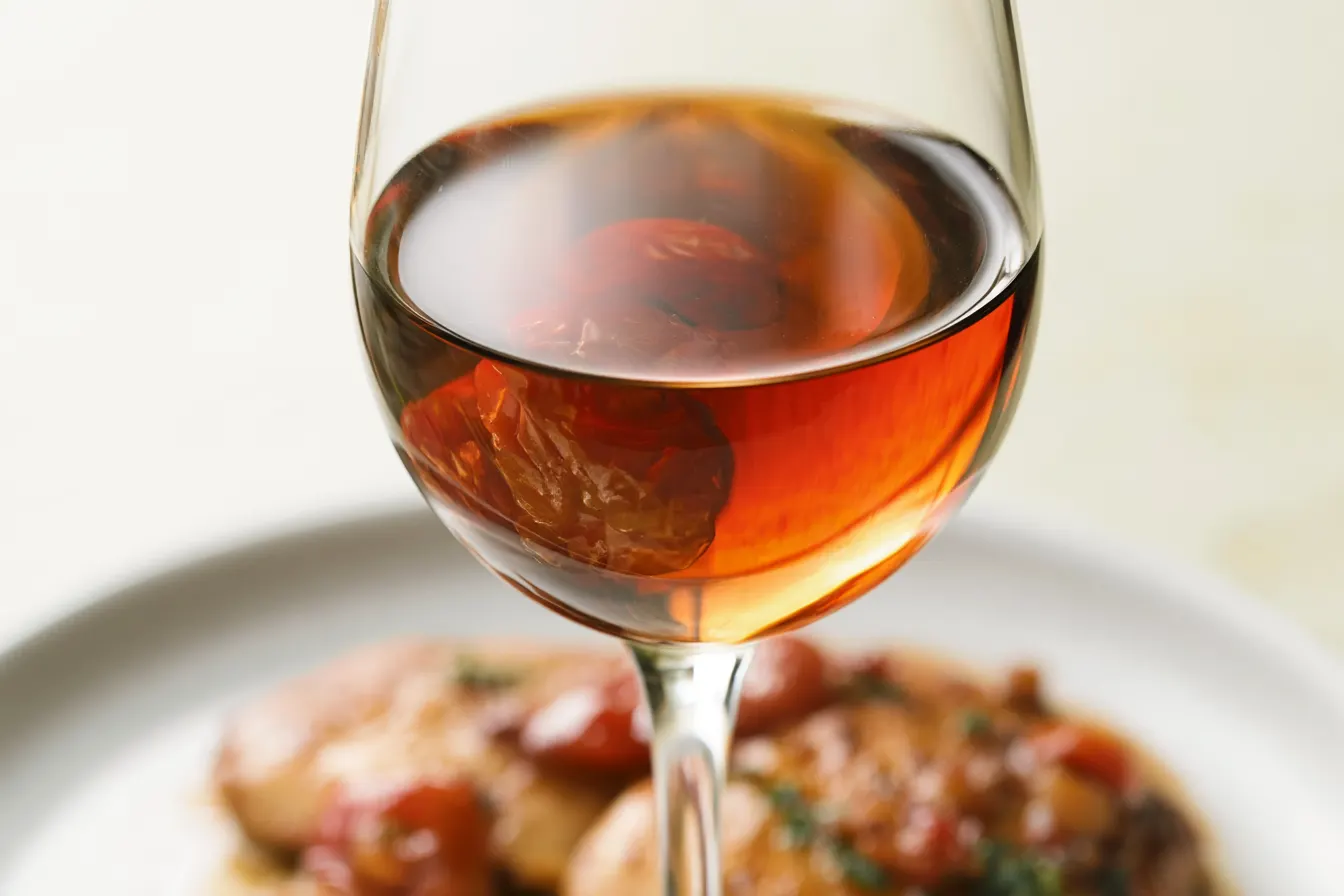
Ever had that moment? You’re mid-recipe, chicken sizzling, the aroma of garlic filling the kitchen, and then it hits you: no Marsala wine. The horror! It’s happened to me more times than I care to admit, usually when I’m trying to whip up a quick weeknight Marsala chicken and realize I polished off the bottle last weekend. Don’t panic, though. Knowing the best Marsala wine substitute can truly be a lifesaver, ensuring your dish still sings with that characteristic sweet, nutty depth.
- Why Marsala is So Special (And Hard to Replace Perfectly)
- Top-Tier Marsala Wine Alternatives
- Making the Swap: Adjusting Your Recipe
- Crafting a Classic Chicken Marsala (with a Substitute Twist)
- Common Questions About Marsala Substitutes
- Beyond Chicken Marsala: Other Uses for Marsala (and its Substitutes)
- Storage and Shelf Life of Your Substitute Ingredients
- Final Thoughts on Substitution Savvy

Why Marsala is So Special (And Hard to Replace Perfectly)
Marsala wine isn’t just any old cooking wine. It’s a fortified wine, meaning a distilled spirit (usually brandy) is added to it. This process not only increases its alcohol content but also contributes to its complex flavor profile. You’ll find it in various styles, from dry (secco) to semi-dry (semisecco) to sweet (dolce). For most savory cooking, like chicken or veal Marsala, you’re usually reaching for a dry or semi-dry variety, which offers notes of brown sugar, dried fruit, and a hint of vanilla and often a savory, almost umami quality. The sweet versions are typically reserved for desserts. The fortification also gives Marsala a longer shelf life once opened compared to regular table wines, which is why a single bottle can last you through several cooking adventures. When you’re looking for a Marsala wine substitute, you’re trying to mimic this delicate balance of sweetness, acidity, and that underlying fortified depth. It’s a tall order, but definitely achievable with the right ingredients.Top-Tier Marsala Wine Alternatives
When you’re in a pinch, these are my go-to options for a Marsala wine substitute that will keep your dish delicious. Each has its own nuances, so consider what other flavors you’re building in your recipe.Dry Sherry with a Touch of Sweetness
This is probably the closest you’ll get in terms of flavor profile and alcoholic content. Dry sherry, especially an Oloroso or Amontillado, shares a similar nutty, oxidized quality with dry Marsala. However, Marsala tends to be a bit sweeter than most cooking sherries. To make it a true Marsala wine substitute, combine 1/2 cup dry sherry with 1 teaspoon of brown sugar or maple syrup. Whisk until dissolved. This adds back that hint of sweetness that Marsala provides, creating a very convincing replica. Use it in a 1:1 ratio for the Marsala called for in your recipe. This blend works beautifully in savory applications like braises and pan sauces.White Grape Juice with Brandy or Cognac
If you’re avoiding alcohol or just don’t have sherry, white grape juice is a fantastic base. It brings the necessary sweetness and fruit notes. However, it lacks the depth and complexity that Marsala gets from fortification and aging. To build that complexity, for every cup of Marsala, use 1 cup of white grape juice mixed with 1-2 tablespoons of brandy or cognac. The brandy introduces the alcoholic warmth and some of those rich, mature flavors. If you’re skipping the alcohol entirely, just the grape juice will work, but your sauce will be lighter in flavor. This is particularly good for lighter chicken or fish dishes where you want a more delicate touch.Red Vermouth (Dry or Sweet)
Vermouth is another fortified wine, often infused with herbs and spices. A dry red vermouth can offer a similar savory and slightly bitter note, while a sweet red vermouth will bring more of the caramel and dried fruit qualities. For savory dishes, I’d lean towards dry red vermouth, perhaps with a tiny dash of sugar if you feel it needs it. If your recipe calls for sweet Marsala (rare for savory dishes, but happens for some desserts), sweet red vermouth is an excellent 1:1 swap. Be mindful of the herbal notes in vermouth; they can add an interesting layer, but make sure they complement your dish rather than overwhelm it.Chicken or Vegetable Broth with Sugar and Vinegar
This is your absolute last resort, but it’s surprisingly effective for creating a “Marsala-like” effect. It won’t have the complexity of wine, but it will provide the liquid, acidity, and a hint of sweetness crucial for a balanced sauce. For every cup of Marsala, use 1 cup of rich chicken or vegetable broth. Stir in 1 teaspoon of brown sugar and 1/2 teaspoon of red wine vinegar or balsamic vinegar. The broth provides the savory base, the sugar mimics Marsala’s sweetness, and the vinegar adds the necessary tang and a hint of wine-like acidity. This is best for dishes where Marsala isn’t the *absolute* star flavor, but rather a supporting player in a rich sauce.
Making the Swap: Adjusting Your Recipe
When you use a Marsala wine substitute, it’s not just about the liquid volume; it’s about balancing the flavors.Taste as You Go
This is the golden rule of cooking, especially when substituting. Add your chosen substitute gradually. For example, if you’re using a dry sherry and brown sugar blend, taste your sauce after adding it. Does it need more sweetness? A touch more acidity? Adjust as necessary. The goal is to achieve that familiar Marsala balance.Consider the Dish
Think about what you’re cooking. For a robust dish like Veal Marsala with mushrooms, a sherry-based substitute or even a light red vermouth will stand up well. For a delicate Chicken Marsala or a lighter cream sauce, white grape juice with brandy might be a better fit to avoid overpowering the other ingredients.Alcohol Content
Remember, some of these substitutes contain alcohol (sherry, vermouth, brandy). If you’re looking for a non-alcoholic option, white grape juice with a splash of non-alcoholic vanilla extract (for depth) or even a very light, low-sodium broth with a touch of fruit juice and a tiny bit of molasses can work. The key is to add layers of flavor that mimic the original.Crafting a Classic Chicken Marsala (with a Substitute Twist)
Let’s walk through how you’d make a stellar Chicken Marsala, even if you’re using a Marsala wine substitute. This recipe is designed to be adaptable.Ingredients for a Marvelous Marsala
Chicken: 4 boneless, skinless chicken breasts, pounded to 1/2-inch thickness Seasoning: Salt and freshly ground black pepper Flour: 1/2 cup all-purpose flour, for dredging Fat: 2 tablespoons olive oil, 2 tablespoons unsalted butter Aromatics: 1 small yellow onion, finely diced; 2 cloves garlic, minced Mushrooms: 8 ounces cremini (baby bella) mushrooms, sliced The Marsala Substitute: 1 cup of your chosen Marsala wine substitute (e.g., dry sherry + brown sugar, or white grape juice + brandy) Broth: 1/2 cup chicken broth Richness: 1/4 cup heavy cream (optional, but highly recommended for a luxurious sauce) Fresh Herbs: 2 tablespoons fresh parsley, chopped
Bringing It All Together: Step-by-Step
1. Prepare the Chicken: Season both sides of your pounded chicken breasts generously with salt and pepper. Lightly dredge each piece in the flour, shaking off any excess. This thin coating helps create a beautiful golden crust and thickens the sauce later. 2. Sear the Chicken: Heat the olive oil and 1 tablespoon of butter in a large skillet over medium-high heat. Once the butter is melted and sizzling, add the chicken breasts in a single layer (you might need to work in batches). Cook for 3-5 minutes per side, until golden brown and cooked through. Remove the chicken from the skillet and set aside on a plate, tented with foil to keep warm. 3. Sauté the Aromatics and Mushrooms: Reduce the heat to medium. Add the remaining 1 tablespoon of butter to the skillet. Toss in the diced onion and cook until softened, about 3-4 minutes. Stir in the minced garlic and sliced mushrooms. Sauté for 5-7 minutes, until the mushrooms are tender and have released their liquid. Tip: Don’t overcrowd the pan with mushrooms. If you have too many, they’ll steam instead of brown, and you’ll miss out on that delicious caramelized flavor. Cook them in two batches if necessary. 4. Deglaze and Build the Sauce: Pour in your chosen Marsala wine substitute. Scrape up any browned bits from the bottom of the pan with a wooden spoon – these are packed with flavor! Let the substitute simmer for 2-3 minutes, allowing some of the alcohol (if present) to cook off and the flavors to concentrate. 5. Simmer and Finish: Add the chicken broth to the skillet. Bring the sauce to a gentle simmer and let it reduce slightly, about 5 minutes, until it coats the back of a spoon. If using, stir in the heavy cream and let it warm through, but don’t boil it vigorously after adding cream. 6. Return Chicken and Serve: Return the cooked chicken breasts to the skillet, spooning the sauce over them to warm through. Sprinkle with fresh chopped parsley. Serve immediately with pasta, mashed potatoes, or a crusty bread to soak up all that incredible sauce.Common Questions About Marsala Substitutes
Let’s tackle some of the things people often wonder about when swapping out this unique wine.Can I use red wine instead of Marsala?
While red wine is a fantastic cooking ingredient, it’s generally not a direct substitute for Marsala. Red wine offers a different flavor profile—more tannic, less sweet, and lacking the fortified notes. If you’re in a bind and only have red wine, choose a lighter, fruitier one like Pinot Noir, and add a teaspoon of brown sugar and a splash of brandy if possible to try and mimic some of Marsala’s characteristics. However, the flavor will be noticeably different.Is cooking sherry the same as Marsala?
No, cooking sherry is not the same as Marsala, though it’s often the closest readily available substitute. Cooking sherry is typically very dry and often contains added salt, which isn’t ideal for all recipes. True dry sherry (like an Oloroso or Amontillado) is much closer in quality to Marsala but still requires a touch of sweetness to truly replicate the Marsala profile for savory dishes.What if I want a completely non-alcoholic substitute?
For a completely non-alcoholic Marsala wine substitute, your best bet is white grape juice. To add depth, consider stirring in a very small amount of non-alcoholic vanilla extract or a tiny dash of molasses to provide a hint of that caramelized complexity. A good quality, low-sodium chicken or vegetable broth can also be used as a base, with a teaspoon of brown sugar and a splash of white wine vinegar or lemon juice to balance the flavors.Can I use balsamic vinegar as a substitute?
Balsamic vinegar has a rich, sweet-tart profile that can add depth, but it’s not a direct 1:1 substitute for Marsala. It’s much more acidic and intensely flavored. You could use a very small amount (perhaps a teaspoon or two) of good quality balsamic vinegar, diluted with chicken broth and a touch of brown sugar, to *enhance* a broth-based substitute, but it shouldn’t be the primary liquid. Use it sparingly to avoid overpowering your dish.Does the quality of the substitute matter?
Absolutely! Just as with Marsala itself, the quality of your substitute will impact the final flavor of your dish. If you’re using sherry, a good quality dry sherry will yield a better result than a cheap cooking sherry. Similarly, a rich, homemade chicken broth will make a more flavorful sauce than a thin, watery store-bought variety. Invest a little in your substitutes if you can, and your taste buds will thank you.Beyond Chicken Marsala: Other Uses for Marsala (and its Substitutes)
While Chicken Marsala is undoubtedly the most famous application, Marsala wine lends its unique flavor to a variety of other dishes. Understanding these can help you choose the best substitute for different culinary adventures.Sauces for Pork and Veal
Just as with chicken, Marsala creates incredibly rich and savory sauces for pork tenderloin medallions or veal scaloppine. Its sweet and nutty notes pair beautifully with the mild flavors of these meats. When making a Marsala wine substitute for these dishes, the sherry and brown sugar blend, or even the red vermouth, would be excellent choices to maintain that deep, complex sauce. The goal is to build layers of flavor that complement the meat without overwhelming it.Risotto and Braises
A splash of dry Marsala can add a wonderful layer of depth to mushroom risotto or slow-cooked beef braises. It deglazes the pan, pulls up all those delicious browned bits, and contributes to the richness of the final dish. In these cases, a non-alcoholic substitute like white grape juice with a hint of broth and a dash of vinegar might be too light. You’d want something with a bit more oomph, like the sherry or even the white grape juice fortified with a bit of brandy, to ensure the savory backbone remains strong.Desserts and Sweet Applications
While less common for home cooks, sweet Marsala is a classic ingredient in some Italian desserts like Zabaglione (an egg custard) or tiramisu. For these applications, you’d need a sweet Marsala wine substitute. Sweet red vermouth is a strong contender here, as is a combination of white grape juice with a touch of vanilla extract and perhaps a tiny bit of caramel flavoring. You’re aiming for that rich, sweet, and slightly alcoholic warmth. Remember, for desserts, the sweetness level is key, so taste and adjust your substitute carefully.Storage and Shelf Life of Your Substitute Ingredients
Knowing how to store your substitutes can save you another emergency down the line.Sherry and Vermouth
Like Marsala, sherry and vermouth are fortified wines and have a longer shelf life than regular table wines once opened. Store them in a cool, dark place or in the refrigerator (especially for vermouth, which can lose its aromatic qualities over time). They can last for several weeks, if not months, after opening, though their peak flavor will diminish over time. Always check for off-smells or cloudy appearance before using.Brandy and Cognac
These distilled spirits have an almost indefinite shelf life when stored properly (tightly sealed, cool, dark place). You’ll typically only use a small amount for a Marsala wine substitute, so a single bottle will last you for many cooking adventures.Grape Juice and Broth
White grape juice should be refrigerated after opening and used within 7-10 days. Chicken or vegetable broth, whether homemade or store-bought, also needs to be refrigerated and used within 4-5 days of opening. If you have extra, consider freezing broth in ice cube trays for future use!Final Thoughts on Substitution Savvy
Cooking is an art, and sometimes, art requires improvisation. Running out of Marsala wine doesn’t have to derail your dinner plans. With a little creativity and a few common pantry staples, you can craft a Marsala wine substitute that will still deliver a delicious, deeply flavored dish. The key is to understand the flavor profile you’re trying to achieve—that unique balance of sweet, nutty, and savory with a hint of fortified depth—and then layer ingredients to build it. Don’t be afraid to experiment! The next time you find yourself staring at an empty bottle, you’ll know exactly what to do. Happy cooking!
Classic Chicken Marsala with Substitutes
A rich and savory chicken Marsala recipe, easily adaptable with several effective Marsala wine substitutes.
📝 Ingredients
👩🍳 Instructions
- 1Season chicken breasts on both sides with salt and pepper. Lightly dredge each piece in flour, shaking off excess.
- 2Heat olive oil and 1 tbsp butter in a large skillet over medium-high heat. Cook chicken in batches for 3-5 minutes per side until golden brown and cooked through. Remove chicken to a plate and tent with foil.
- 3Reduce heat to medium. Add remaining 1 tbsp butter to the skillet. Sauté diced onion for 3-4 minutes until softened. Add minced garlic and sliced mushrooms; cook for 5-7 minutes until tender.
- 4Pour in the Marsala wine substitute. Deglaze the pan by scraping up any browned bits from the bottom. Simmer for 2-3 minutes to allow flavors to concentrate.
- 5Stir in chicken broth. Bring to a gentle simmer and reduce slightly for 5 minutes. If using, stir in heavy cream and warm through.
- 6Return cooked chicken breasts to the skillet, spooning sauce over them. Garnish with fresh chopped parsley and serve immediately.
💡 Notes
For Marsala wine substitute: 1) 1 cup dry sherry + 1 tsp brown sugar. 2) 1 cup white grape juice + 1-2 tbsp brandy. 3) 1 cup dry red vermouth. 4) 1 cup chicken broth + 1 tsp brown sugar + 1/2 tsp red wine vinegar. Adjust sweetness and acidity to your preference. This dish pairs beautifully with pasta, mashed potatoes, or crusty bread.