


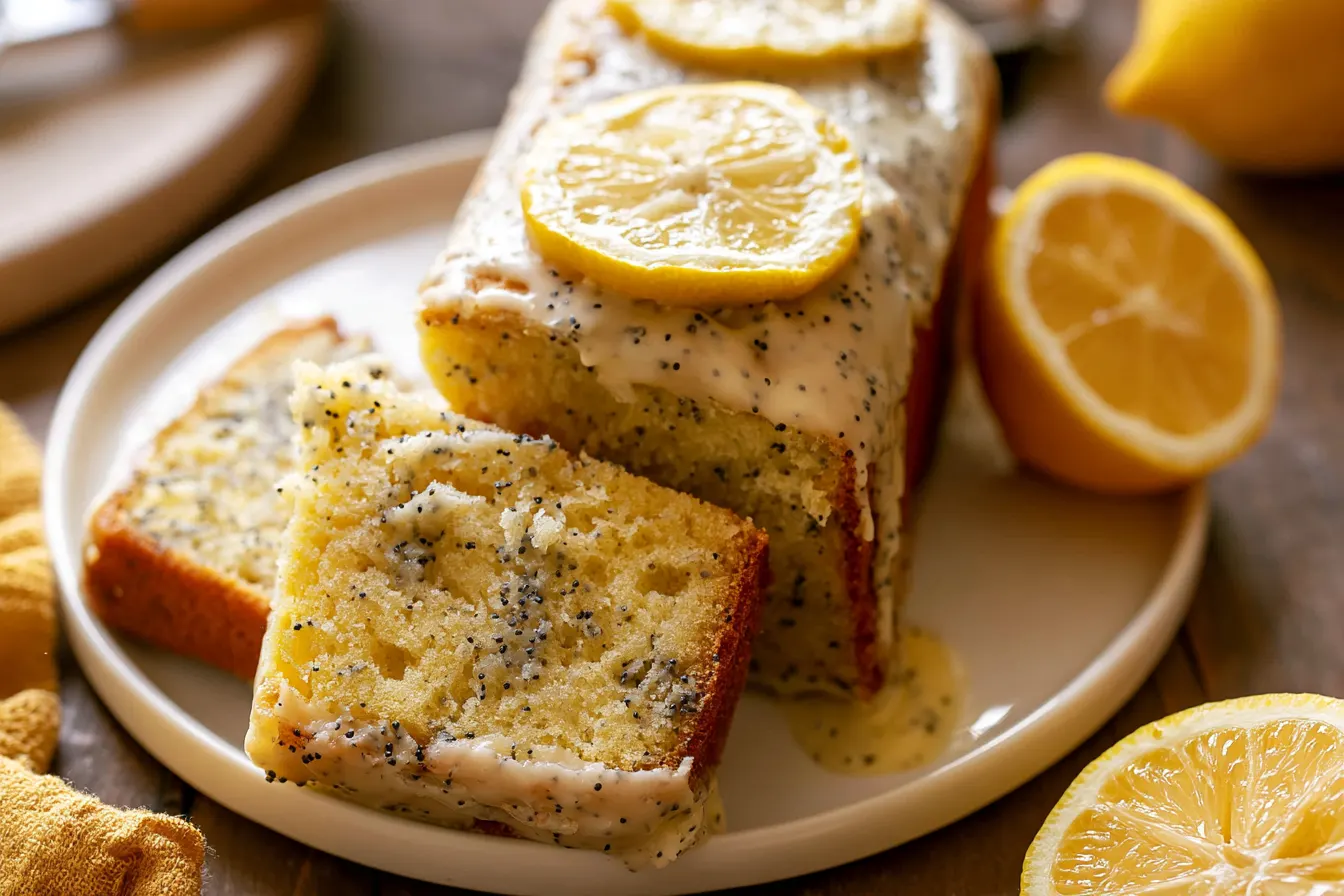
I used to think a truly great lemon poppy seed cake was something you could only get from a fancy bakery. That perfect balance of bright lemon zest, the subtle crunch of poppy seeds, and a crumb so tender it practically melts on your tongue – it felt like a secret only professional bakers knew. Well, after years of tinkering, I’m thrilled to report that I’ve cracked the code, and this homemade version doesn’t just compete with the bakery, it often surpasses it.

What Makes This Lemon Poppy Seed Cake So Special?
There are a few key elements that set this lemon poppy seed cake apart from the rest, transforming it from merely good to truly unforgettable. It’s not just about throwing ingredients together; it’s about understanding how they interact to create that perfect texture and taste. First, let’s talk about the texture. We’re aiming for a crumb that’s incredibly soft and moist, almost velvety. This comes from a combination of using both butter and oil. Butter lends an unbeatable flavor, a richness that oil alone can’t provide. However, oil is a master at keeping cakes moist for longer, preventing them from drying out. The blend gives us the best of both worlds: incredible flavor and lasting tenderness. Using buttermilk also plays a crucial role here, its acidity reacting with the leavening agents to produce a tender crumb and adding a subtle tang that complements the lemon beautifully. Next up, the lemon itself. We’re not shy with the lemon here! We use both fresh lemon zest and juice in the cake batter, ensuring a bright, natural citrus flavor permeates every single crumb. But we don’t stop there. The cake is brushed with a simple lemon syrup while still warm, which soaks in, adding another layer of moisture and a concentrated burst of lemon. And the ultimate secret weapon? A luscious layer of homemade lemon curd nestled between the cake layers. This isn’t just a topping; it’s an integral part of the experience, adding a tart, creamy counterpoint that cuts through the sweetness of the cake. Finally, the poppy seeds. They’re not just for looks; they provide a delightful, subtle crunch and a nutty undertone that adds complexity to the overall flavor profile. They’re incorporated directly into the batter, ensuring an even distribution throughout each slice. Each element, from the fat ratio to the multiple lemon applications and the textural contrast of the poppy seeds, works in harmony to create a truly exceptional dessert.Gather Your Baking Essentials
Before you even preheat your oven, it’s a good idea to lay out all your ingredients. This practice, known as “mise en place,” makes the baking process smoother and helps prevent any last-minute scrambling. Make sure everything is at room temperature where specified; this is crucial for a smooth, emulsified batter.For the Cake Layers:
- 2 ¾ cups (350g) all-purpose flour
- 1 tablespoon baking powder
- ½ teaspoon salt
- 1 ½ cups (340g) unsalted butter, softened
- 2 cups (400g) granulated sugar
- 4 large eggs, at room temperature
- 1 tablespoon vanilla extract
- 1 cup (240ml) buttermilk, at room temperature
- ⅓ cup (80ml) neutral oil (canola, vegetable, or grapeseed)
- Zest of 2 large lemons
- ¼ cup (60ml) fresh lemon juice
- ⅓ cup (45g) poppy seeds
For the Lemon Curd Filling:
- 3 large eggs
- 1 cup (200g) granulated sugar
- ½ cup (120ml) fresh lemon juice (from about 3-4 lemons)
- Zest of 2 large lemons
- ½ cup (113g) unsalted butter, cut into cubes, cold
- Pinch of salt
For the Lemon Syrup:
- ¼ cup (50g) granulated sugar
- ¼ cup (60ml) fresh lemon juice
For the Lemon Buttercream Frosting:
- 1 ½ cups (340g) unsalted butter, softened
- 5 cups (600g) powdered sugar, sifted
- Pinch of salt
- 2-3 tablespoons fresh lemon juice (to taste)
- 1 teaspoon vanilla extract
- 1-2 tablespoons milk or cream (if needed for consistency)

Crafting Your Lemon Poppy Seed Masterpiece
This cake comes together in a few distinct stages, but each step builds upon the last to create a harmonious whole. Don’t rush, enjoy the process, and you’ll be rewarded with an absolutely stunning dessert.Preparing the Lemon Curd (First, for Cooling Time)
Start with the lemon curd as it needs time to chill and thicken. In a medium, heatproof bowl, whisk together the eggs, sugar, lemon juice, and lemon zest until well combined. Set the bowl over a saucepan of simmering water (make sure the bottom of the bowl doesn’t touch the water). Continuously whisk the mixture until it thickens to a pudding-like consistency, about 8-10 minutes. It should coat the back of a spoon. Remove from heat and immediately whisk in the cold, cubed butter and a pinch of salt until smooth and glossy. Tip: If your curd looks a little lumpy, pass it through a fine-mesh sieve for an ultra-smooth texture. Pour into a clean jar or bowl, cover the surface directly with plastic wrap to prevent a skin from forming, and chill in the refrigerator for at least 3-4 hours, or preferably overnight.
Baking the Tender Cake Layers
Preheat your oven to 350°F (175°C). Grease and flour two 8-inch round cake pans, or line with parchment paper circles. In a medium bowl, whisk together the flour, baking powder, and salt. Set aside. In a large bowl, cream together the softened butter and granulated sugar until light and fluffy, about 3-5 minutes. Beat in the eggs one at a time, ensuring each is fully incorporated before adding the next. Stir in the vanilla extract. In a separate small bowl, whisk together the buttermilk, oil, lemon zest, and lemon juice. Gradually add the dry ingredients to the wet ingredients in three additions, alternating with the buttermilk mixture, beginning and ending with the dry. Mix on low speed until just combined – don’t overmix! Gently fold in the poppy seeds. Divide the batter evenly between the prepared cake pans. Bake for 30-35 minutes, or until a wooden skewer inserted into the center comes out clean.
Making the Lemon Syrup
While the cakes are still warm from the oven, prepare the lemon syrup. In a small saucepan, combine the sugar and lemon juice. Heat over medium heat, stirring until the sugar is completely dissolved. Once the cakes are out of the oven, let them cool in the pans for about 10 minutes before inverting them onto a wire rack. While still warm, brush the lemon syrup evenly over the tops of both cake layers. Let the cakes cool completely on the wire rack before frosting.

Whipping Up the Zesty Buttercream
In a large bowl, beat the softened butter until creamy. Gradually add the sifted powdered sugar, a cup at a time, beating until smooth after each addition. Add the salt, 2 tablespoons of lemon juice, and vanilla extract. Beat on medium-high speed until light and fluffy. If the frosting is too thick, add more lemon juice or milk/cream, one teaspoon at a time, until you reach your desired consistency. Taste and adjust lemon juice as needed for your preferred level of tang.
Assembling Your Stunning Cake
Once the cake layers are completely cool and the lemon curd is thoroughly chilled, it’s time to assemble. Place one cake layer on your serving plate or cake stand. Spread about half of the lemon curd evenly over the top, leaving a small border around the edge. Carefully place the second cake layer on top. Spread the remaining lemon curd over the second layer, again leaving a small border. Now, use your lemon buttercream to frost the entire cake, starting with a thin crumb coat to lock in any loose crumbs, then applying a final, thicker layer. You can decorate with a few fresh lemon slices or a sprinkle of poppy seeds for garnish.
Top Tips for a Picture-Perfect Cake
Achieving a bakery-worthy cake at home is totally within reach, and a few small adjustments can make a big difference. These insights come from countless batches and a bit of trial and error!Room Temperature Ingredients are Key
This isn’t just a suggestion; it’s a rule for a reason. Softened butter creams beautifully with sugar, creating air pockets that give the cake its light texture. Room temperature eggs emulsify much better into the butter mixture, preventing a curdled batter. And room temperature buttermilk ensures a smooth, well-mixed batter without lumps. Plan ahead and take your butter, eggs, and buttermilk out of the fridge at least an hour before you start baking.
Don’t Overmix the Batter
Once you add the dry ingredients to the wet, mix only until just combined. Overmixing develops the gluten in the flour, leading to a tough, dry cake. You want to stop mixing as soon as you no longer see streaks of dry flour. A few small lumps are perfectly fine and will disappear during baking.
Parchment Paper is Your Friend
While greasing and flouring pans works, lining the bottoms with parchment paper circles guarantees your cakes won’t stick. It makes removing the layers from the pans so much easier and minimizes the risk of breakage, especially when dealing with delicate cakes like this one. You can trace the bottom of your pan onto parchment paper and cut out perfect circles.
Chill That Curd!
The lemon curd absolutely needs to be cold and firm before you try to spread it as a filling. If it’s too warm, it will be runny and will seep out of the sides of your cake layers, creating a messy situation. Making it the day before you plan to assemble the cake is ideal, as it gives it ample time to set up properly.
Crumb Coat for Success
A “crumb coat” is a thin layer of frosting applied to the cake before the final, thicker layer. Its purpose is to trap any loose crumbs, preventing them from mixing into your pristine final coat of frosting. Apply a thin layer, chill the cake for 15-20 minutes to set the crumb coat, and then proceed with your beautiful final frosting layer. It’s a small step that makes a huge difference in the finished look of your cake.
Frequently Asked Questions About Lemon Poppy Seed Cake
Got a burning question about this zesty delight? Here are some of the common queries I hear, along with my best advice.How do I make sure my lemon poppy seed cake is extra moist?
Moisture comes from several factors in this recipe! Using a combination of butter and oil helps. Buttermilk adds tenderness, and the lemon syrup brushed on while the cakes are warm locks in moisture and adds flavor. Most importantly, avoid overbaking. Keep an eye on the clock and test with a skewer; pull the cakes as soon as it comes out clean, maybe with a few moist crumbs attached.
Can I use store-bought lemon curd instead of making my own?
Absolutely, you can! While homemade lemon curd is truly superior in flavor and freshness, a good quality store-bought curd will work perfectly well if you’re short on time. Just be sure to get one that’s thick and has a vibrant lemon flavor. You’ll need about 1 ½ to 2 cups for the filling.
How can I prevent my cake layers from doming in the oven?
Domes are common! One trick is to wrap your cake pans with baking strips (soaked in water). These help the cakes bake more evenly by insulating the edges, allowing the center to rise at a similar rate. Alternatively, you can level any domed tops with a serrated knife once the cakes are completely cool.
What’s the best way to store leftover lemon poppy seed cake?
Because of the lemon curd filling and buttercream, this cake should be stored in an airtight container in the refrigerator. It will stay fresh and delicious for 3-4 days. For optimal flavor and texture, let it come to room temperature for about 30 minutes before serving.
Can I make this cake ahead of time?
Yes, you can! The lemon curd can be made up to 3-4 days in advance and stored in the fridge. The cake layers can be baked a day ahead, cooled completely, wrapped tightly in plastic wrap, and stored at room temperature. The buttercream can also be made a day or two in advance and stored in the fridge; just re-whip it with a splash of milk or cream to restore its fluffiness before frosting. Assembling the cake closer to serving time is best for freshness, but individual components can certainly be prepped.
Serving Suggestions & Flavor Variations
This lemon poppy seed cake is a showstopper all on its own, but sometimes a little something extra can make it even more delightful. Consider these ideas to round out your dessert experience or to try a new twist on the classic. For serving, a simple garnish of fresh lemon zest or a few delicate lemon slices truly enhances its visual appeal and reinforces that bright citrus theme. A light dusting of powdered sugar over the top can also add an elegant touch. If you’re feeling indulgent, a small dollop of lightly sweetened whipped cream or a scoop of vanilla bean ice cream on the side can be a wonderful accompaniment, providing a creamy contrast to the cake’s zesty notes. It’s particularly lovely with a hot cup of black tea or a bright, floral herbal infusion. If you’re looking to play with the flavors, there are a few variations you could try. For a more intense poppy seed experience, you could toast the poppy seeds lightly in a dry pan for a few minutes before adding them to the batter – just be careful not to burn them. Another idea for an extra layer of flavor is to add a tiny amount of almond extract (¼ to ½ teaspoon) to the cake batter and/or the buttercream. Lemon and almond are a classic pairing, and the almond note really complements the poppy seeds. You could also experiment with other citrus zests in the cake itself, though lemon is truly king here. Imagine a hint of orange zest along with the lemon for a slightly sweeter, rounder citrus profile. Or, if you’re looking for a slightly different filling, a raspberry or blueberry compote could be a lovely alternative to the lemon curd, offering a fruity tartness that pairs beautifully with the lemon poppy seed base. Remember, baking is about creativity and personal taste, so feel free to make this recipe your own!
The Best Lemon Poppy Seed Cake with Lemon Curd
Indulge in a soft, moist lemon poppy seed cake layered with vibrant homemade lemon curd and zesty buttercream.
📝 Ingredients
👩🍳 Instructions
- 1Prepare Lemon Curd: In a heatproof bowl, whisk eggs, 1 cup sugar, ½ cup lemon juice, and zest. Cook over simmering water, whisking constantly, until thickened (8-10 mins). Remove from heat, whisk in cold butter and salt. Cover surface directly with plastic wrap and chill for 3-4 hours or overnight.
- 2Bake Cake Layers: Preheat oven to 350°F (175°C). Grease and flour two 8-inch round cake pans. Whisk flour, baking powder, and ½ tsp salt; set aside. Cream 1 ½ cups softened butter and 2 cups sugar until light and fluffy. Beat in 4 eggs one at a time, then vanilla. In a separate bowl, whisk buttermilk, oil, cake lemon zest, and cake lemon juice. Gradually add dry ingredients to wet in three additions, alternating with buttermilk mixture, mixing until just combined. Fold in poppy seeds. Divide batter between pans. Bake 30-35 minutes, or until a skewer comes out clean.
- 3Make Lemon Syrup: While cakes are warm, combine ¼ cup sugar and ¼ cup lemon juice in a small saucepan; heat until sugar dissolves. Invert warm cakes onto a wire rack and brush evenly with syrup. Let cool completely.
- 4Prepare Lemon Buttercream: Beat 1 ½ cups softened butter until creamy. Gradually add sifted powdered sugar, salt, 2-3 tbsp lemon juice, and 1 tsp vanilla. Beat on medium-high until light and fluffy. Add milk/cream if needed for consistency.
- 5Assemble Cake: Place one cooled cake layer on a serving plate. Spread half of the chilled lemon curd over the top, leaving a small border. Top with the second cake layer and spread remaining curd. Apply a thin crumb coat of buttercream, chill 15-20 minutes, then frost the entire cake with the remaining buttercream. Garnish as desired.
💡 Notes
Ensure all dairy and eggs are at room temperature for the cake batter for best results. The lemon curd can be made up to 3 days in advance. For the best texture, let the assembled cake sit at room temperature for 30 minutes before serving. Store any leftover cake in an airtight container in the refrigerator for up to 4 days.