


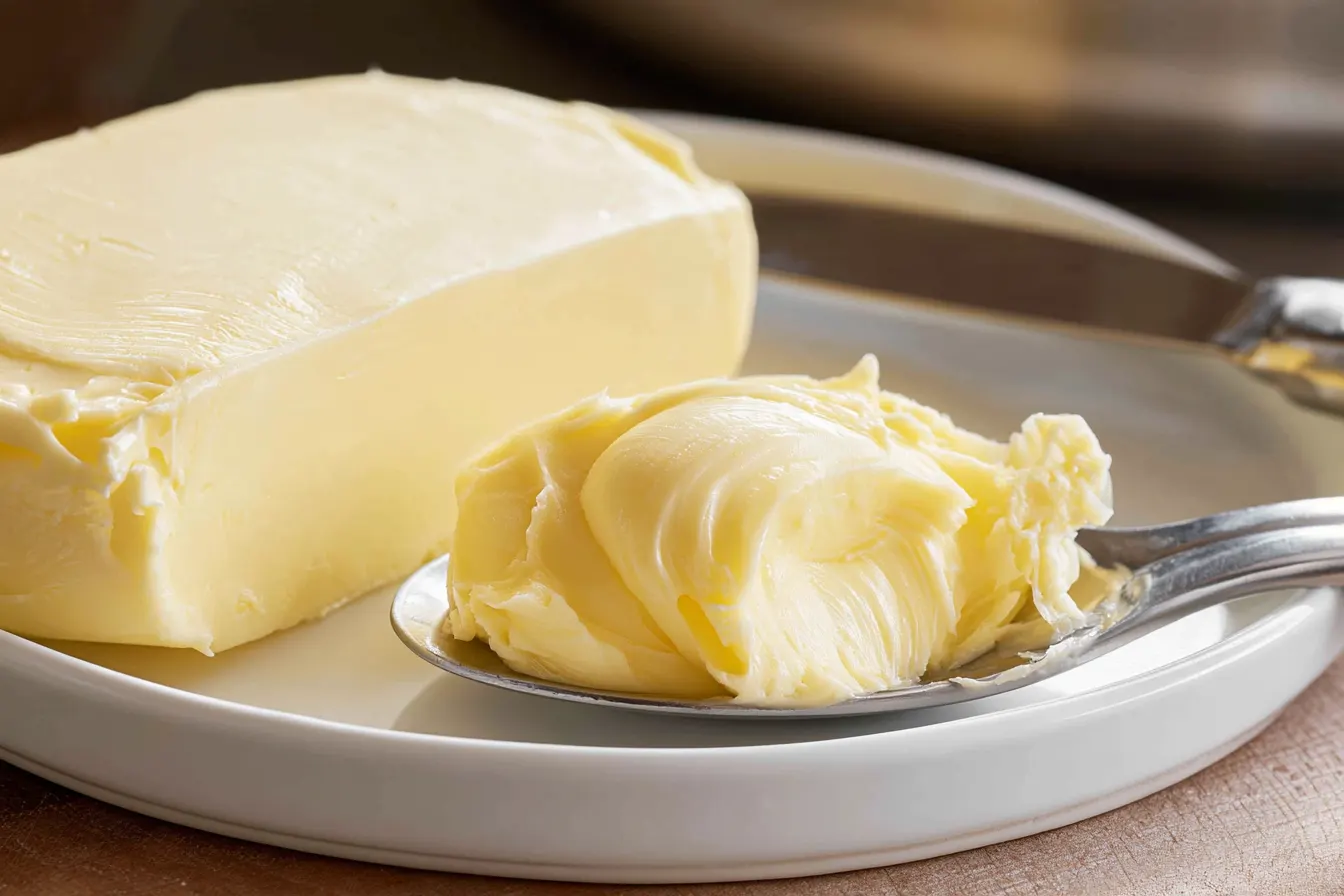
Ever found yourself mid-recipe, flour dusted across the counter, only to realize your butter dish is… empty? Or perhaps you’re simply trying to make your beloved baked goods a little lighter, or catering to a friend with dietary restrictions. Whatever the reason, finding a reliable butter substitute for baking is a skill every home baker should have in their arsenal. And trust me, you don’t have to sacrifice flavor or texture.

Understanding Butter’s Role in Baking
Before we swap, it’s important to understand *why* butter is so crucial. It’s not just about flavor (though that rich, creamy taste is undeniable!). Butter contributes to several key elements in baking:- Moisture: It adds tenderness and keeps baked goods from drying out.
- Flavor: Its unique taste enhances nearly every sweet treat.
- Structure & Texture: The fat shortens gluten strands, creating a tender crumb. When creamed with sugar, it incorporates air, leading to a light, airy texture in cakes and cookies.
- Leavening: In recipes where butter is creamed, it helps trap air, contributing to the rise.
- Crispness & Browning: The milk solids in butter aid in browning, giving crusts and cookies that desirable golden hue and crisp edge.
Common Butter Alternatives: A Deep Dive
Let’s break down the most popular and effective butter alternatives you can use in your kitchen. Each has its own strengths and ideal applications.Unsalted Butter Alternatives
When a recipe calls for unsalted butter, it means the recipe developer wants precise control over the salt content. If you’re using a salted alternative, you might need to adjust the added salt in your recipe.Margarine (Dairy-Free or Regular)
Margarine is probably the most straightforward swap for butter, especially in terms of texture and workability. Most margarines are made from vegetable oils, water, and emulsifiers, designed specifically to mimic butter. Pros: Very similar texture and fat content to butter, often a 1:1 substitute. Many brands offer dairy-free or vegan options, making it a good choice for those avoiding dairy. It creams well with sugar. Cons: Flavor isn’t as rich or complex as butter. Can sometimes contain trans fats (though many brands now offer trans-fat-free versions). Check labels carefully. Best For: Cookies, cakes, muffins, and most recipes where butter is creamed or melted.Shortening (Vegetable Shortening)
Ah, shortening – the secret to many a flaky pie crust and tender biscuit. Shortening is 100% fat (usually hydrogenated vegetable oil) and has a higher melting point than butter, which can lead to different textures. Pros: Excellent for creating flaky textures (like pie crusts) and very tender crumbs. It has a neutral flavor, making it versatile. Great for deep-frying too. Cons: Lacks the flavor of butter. As it’s 100% fat, it can make baked goods feel greasier if not balanced properly. Doesn’t brown as well as butter. Best For: Pie crusts, biscuits, some cookies where tenderness is key, and frostings (for stability). Substitution Ratio: Generally 1:1 by weight, but sometimes a little less is used due to its higher fat content.Coconut Oil (Refined or Unrefined)
Coconut oil has soared in popularity, especially in vegan and health-conscious baking. It’s a solid fat at room temperature (below 76°F/24°C) and melts beautifully. Pros: A fantastic vegan butter alternative. Unrefined coconut oil adds a lovely, subtle coconut flavor, which can be wonderful in certain desserts. Refined coconut oil is flavorless. It contributes moisture and tenderness. Cons: The coconut flavor of unrefined oil isn’t always desired. Its melting point means it can behave differently than butter in recipes, potentially making doughs harder to work with if it’s too warm. Best For: Vegan cookies, muffins, cakes, and even some pie crusts. It’s great for recipes where a hint of coconut complements the other flavors. Substitution Ratio: 1:1 for melted applications. For solid applications, it can be a 1:1 swap, but ensure it’s solid before creaming.
Healthier Butter Alternatives
Looking to cut down on saturated fat or calories? These options offer a good way to achieve that, though they might require slight adjustments to your recipe.Applesauce (Unsweetened)
Applesauce is a fantastic fat substitute, especially for muffins, quick breads, and some cakes. It adds moisture and a touch of sweetness without the fat. Pros: Significantly reduces fat and calories. Adds moisture and a subtle fruit flavor. Cons: Can lead to a denser texture if used in too high a quantity, as it doesn’t contribute to leavening like butter. The flavor can be noticeable. Best For: Muffins, quick breads, some cakes, and brownies where a denser, chewier texture is desired. Substitution Ratio: Replace half of the butter with applesauce (e.g., if a recipe calls for 1 cup butter, use 1/2 cup butter and 1/2 cup applesauce). You can go up to a 1:1 swap for maximum fat reduction, but be prepared for a texture change. You might need to reduce other liquids slightly.Mashed Avocado
Believe it or not, avocado is an amazing source of healthy fats and can replace butter in many recipes, particularly those where its green hue won’t be an issue. Pros: Rich in monounsaturated fats (healthy fats). Adds incredible moisture and a creamy texture. Neutral flavor, especially in baked goods. Cons: Can impart a slight green tint to lighter baked goods. Best for recipes where the color won’t be noticeable or is desirable (e.g., chocolate brownies). Best For: Brownies, chocolate cakes, muffins, and quick breads. Substitution Ratio: 1:1 by volume for butter. Use ripe, mashed avocado. You might need to slightly reduce other liquids.Banana (Mashed)
Similar to applesauce, mashed banana is a wonderful way to add moisture and natural sweetness while reducing fat. Pros: Adds moisture, natural sweetness, and a lovely banana flavor. Reduces fat and calories. Cons: Strong banana flavor might not be suitable for all recipes. Can lead to a denser texture. Best For: Banana bread (obviously!), muffins, some cakes, and oatmeal cookies. Substitution Ratio: Replace half of the butter with mashed banana. For every 1/2 cup of butter replaced, use 1/4 cup mashed banana. You might need to reduce other sweeteners.Nut Butters (Peanut Butter, Almond Butter)
Nut butters are a great way to add flavor, fat, and protein to your baked goods. They work particularly well in recipes where nuts are already a complementary flavor. Pros: Adds rich flavor, moisture, and healthy fats. Boosts protein content. Cons: Distinct flavor profile that might not suit all recipes. Can make baked goods denser. Best For: Cookies, brownies, and bars where a nutty flavor is desired. Substitution Ratio: Replace half of the butter with an equal amount of nut butter. You might need to adjust other liquids to achieve the right consistency.Choosing the Right Substitute for Your Recipe
This is where the art comes in! Thinking about the characteristics of your desired final product will guide your choice.For Flakiness (Pie Crusts, Biscuits):
Shortening is your best friend here. Its higher melting point means it creates steam pockets, leading to that coveted flaky texture. Cold coconut oil can also work well.For Creaminess and Lift (Cakes, Creamed Cookies):
Margarine is the closest in behavior to butter for creaming with sugar, which incorporates air and creates a lighter texture. Solid coconut oil can also be creamed.For Moisture and Tenderness (Muffins, Quick Breads, Brownies):
Applesauce, mashed banana, and avocado are excellent choices. They add moisture without much fat, though they will result in a denser crumb. Nut butters also add moisture and tenderness, along with a rich flavor.For Vegan Baking:
Margarine (ensure it’s dairy-free), coconut oil, and vegetable shortening are all excellent vegan options. Applesauce, mashed banana, and avocado are also naturally vegan.
Tips for Successful Butter Substitution
Making a swap isn’t always a simple 1:1 ratio. Here are a few pointers to ensure your baking success: Consider the Recipe’s Role: Is butter the star (like in a butter cookie) or more of a supporting actor (like in a quick bread)? The more prominent butter’s role, the harder it is to substitute without noticeable changes. Adjust Liquids: Many butter alternatives (especially applesauce, banana, and avocado) contain more water than butter. You might need to slightly reduce other liquids in the recipe (milk, water, juice) to maintain the correct consistency. Start by reducing by 1-2 tablespoons and adjust if the batter seems too wet. Monitor Baking Time: Some substitutes can alter baking times or how quickly items brown. Keep a close eye on your oven. Flavor Impact: Remember that substitutes like coconut oil (unrefined), applesauce, and banana will impart their own flavors. Make sure these flavors complement your recipe. Start Small: If you’re new to substituting, try replacing only half of the butter first. This allows you to ease into the change and see how it affects the final product. Temperature Matters: Just like butter, the temperature of your substitute can be crucial. If the recipe calls for “room temperature butter,” ensure your chosen substitute is also at the correct temperature for creaming. For coconut oil, this means it should be solid but softened.Troubleshooting Common Issues
Baked goods are too dense: This often happens when using high-moisture, low-fat substitutes like applesauce or banana in large quantities. Try reducing the amount of substitute or adding a bit more leavening agent (baking powder/soda). Baked goods are dry: If your substitute is lower in fat than butter and you didn’t adjust other liquids, this can occur. Ensure you’re replacing with an adequate amount of fat or moisture. Odd flavor: Unrefined coconut oil or very ripe bananas can sometimes overpower delicate flavors. Opt for refined coconut oil or slightly less ripe bananas if you want a milder taste.Frequently Asked Questions About Butter Alternatives
Got more questions about swapping butter? Here are some common ones that pop up!Can I use olive oil instead of butter in baking?
Yes, but with caveats. Olive oil works best in recipes where butter is melted, like some quick breads, muffins, or cakes. Its distinct flavor can be lovely in savory bakes or certain fruit cakes, but it’s not ideal for creaming or for delicate flavors. Use a mild-flavored olive oil, and often you’ll need slightly less oil than butter (about 3/4 cup oil for every 1 cup butter) because oil is 100% fat.What’s the best butter substitute for cookies?
For most cookies, margarine (dairy-free if needed) or shortening are excellent choices for maintaining texture. Coconut oil also works very well, especially in chewier cookie recipes. For a healthier twist, a combination of butter and applesauce (half and half) can also work, though it may result in a slightly softer cookie.How do I make my own vegan butter substitute?
Making your own vegan butter is surprisingly rewarding! Many recipes involve a blend of solid coconut oil, a liquid oil (like canola or sunflower), a plant-based milk, and a bit of lecithin for emulsification. It allows you to control the ingredients and flavor.Will my baked goods brown the same with butter substitutes?
Not always. Butter’s milk solids contribute to browning. Substitutes like shortening, which are 100% fat, won’t brown as readily. Alternatives like applesauce or banana might also affect browning due to their sugar content. You might need to bake a little longer or adjust oven temperature slightly.Can I use nut butter as a 1:1 replacement for butter?
While you can often replace some or all of the butter with nut butter, it’s rarely a straight 1:1 swap without affecting the texture. Nut butters are denser and can make baked goods heavier. Often, replacing half the butter with nut butter is a good starting point to balance flavor and texture. You might also need to slightly increase liquid or decrease flour. This comprehensive guide should give you the confidence to tackle any baking recipe, even if butter isn’t an option. Experiment, take notes, and discover your favorite ways to adapt and create delicious treats!
Ultimate Butter Substitute Guide
Your comprehensive guide to the best butter alternatives for baking, including vegan and healthier options, ensuring perfect results every time.
📝 Ingredients
👩🍳 Instructions
- 1Understand Butter's Role: Recognize how butter contributes to moisture, flavor, structure, leavening, and browning in your specific recipe.
- 2Identify Your Baking Goal: Determine if you need flakiness, creaminess, moisture, or a vegan/healthier option.
- 3Select the Best Substitute: Choose from margarine, shortening, coconut oil (refined or unrefined), unsweetened applesauce, mashed avocado, mashed banana, or nut butters based on your goal and the recipe type.
- 4Consider Substitution Ratios: Follow general guidelines (e.g., 1:1 for margarine/coconut oil, 1:2 for applesauce/banana, 3:4 for oil).
- 5Adjust Liquids: Be prepared to slightly reduce other liquids in the recipe, especially when using high-moisture substitutes like applesauce or banana.
- 6Monitor Baking: Keep an eye on baking times and browning, as substitutes can alter these aspects.
- 7Taste and Adjust: Don't be afraid to experiment with small amounts. Take notes on what works best for different recipes.
💡 Notes
Always consider the primary function of butter in your specific recipe before making a substitution. For delicate flavors or light textures, a 1:1 swap with margarine or solid coconut oil is usually safest. For healthier alternatives, start by replacing half of the butter and adjust as needed. Remember that flavor and texture may vary with different substitutes.