


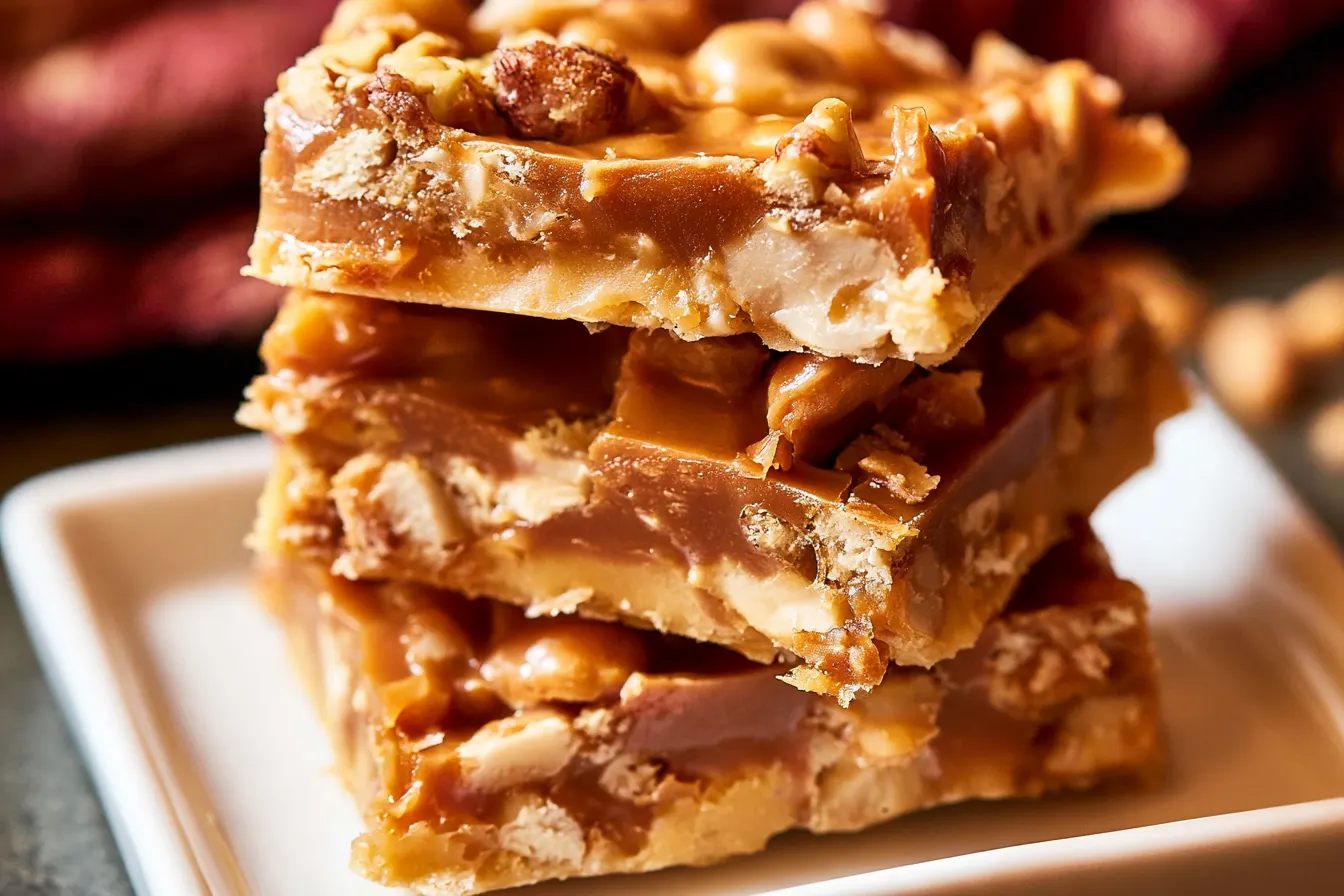
You know that moment when you bite into a Butterfinger candy bar, and it’s not just crunchy, but it’s got that almost flaky, airy texture? That unique, slightly sticky yet brittle snap that no other candy seems to replicate?

Unlocking the Flaky Secret: Why This Brittle is Different
Most peanut brittle recipes follow a straightforward path: cook sugar and water (or corn syrup), add peanuts, pour, and cool. The result is often glassy and dense. Our goal here is different. We want to create a structure that’s riddled with microscopic air cells, allowing it to shatter into delicate flakes rather than solid chunks. Think of it like spun sugar, but with substance. The secret weapon in this recipe is a tiny pinch of baking soda, but it’s *how* and *when* you add it that makes all the difference. When baking soda (sodium bicarbonate) hits the hot, acidic sugar mixture, it quickly decomposes, releasing carbon dioxide gas. If this happens while the candy is still very liquid, the gas escapes. But if you add it at just the right moment, when the candy is thick and viscous, those gas bubbles get trapped, creating a foamy, airy texture. This foam then sets into a brittle that’s riddled with thousands of tiny pockets, making it incredibly tender and flaky.Gather Your Arsenal: What You’ll Need
Making candy can feel intimidating, but with the right tools and ingredients, it’s a breeze. Precision is key here, so don’t skimp on a good candy thermometer.Essential Equipment:
- Heavy-bottomed 3-quart saucepan: Essential for even heat distribution and preventing scorching.
- Candy thermometer: Non-negotiable for accurate temperature readings.
- Silicone baking mat or parchment paper: For easy release and cleanup. Don’t grease a pan; it can make the brittle oily.
- Heat-proof spatula or wooden spoon: For stirring.
- Small bowl for baking soda mixture.
The Sweet & Salty Cast of Characters:
- Granulated Sugar: The foundation of our brittle.
- Light Corn Syrup: This helps prevent crystallization, ensuring a smooth, clear candy. Don’t substitute with dark corn syrup or other syrups, as they can affect the color and flavor.
- Water: Just a touch to get things going.
- Roasted Peanuts: Use dry-roasted, unsalted peanuts. If you only have raw, roast them gently in a 350°F (175°C) oven for 8-10 minutes until fragrant. Cool completely. Their roasted flavor really shines through.
- Unsalted Butter: Adds richness and helps with texture.
- Baking Soda: Our magical ingredient for that flaky texture. Make sure it’s fresh!
- Vanilla Extract: For a touch of warmth and depth.
- Salt: A crucial counterpoint to the sweetness.

Crafting Your Butterfinger-esque Peanut Brittle
This recipe moves quickly once the sugar syrup reaches temperature, so have everything measured and ready to go before you even turn on the stove. This is called “mise en place” in the cooking world, and it’s your best friend when making candy.Prepping for Perfection
First things first, line a large baking sheet (about 13×18 inches) with a silicone baking mat or parchment paper. Make sure it’s truly flat and ready to receive the hot candy. Have your measured peanuts, butter, vanilla, and the baking soda mixture (baking soda mixed with a teaspoon of water) all within arm’s reach of the stove.
The Sweet Beginning
In your heavy-bottomed saucepan, combine the sugar, corn syrup, and water. Stir gently over medium heat until the sugar dissolves. Once it comes to a boil, stop stirring. Insert your candy thermometer, making sure it doesn’t touch the bottom of the pan. Let it cook, without stirring, until the mixture reaches 250°F (121°C). This is the soft-ball stage.
Note: Resist the urge to stir once it starts boiling. Stirring can introduce crystals and make your brittle grainy. If crystals form on the sides of the pan, you can gently brush them down with a wet pastry brush.
Peanut Time!
Once the syrup hits 250°F, add your roasted peanuts. Stir them in quickly and continue cooking, stirring constantly, until the mixture reaches 300°F (149°C). This is the hard-crack stage. It will start to turn a beautiful amber color. Keep a close eye on it; sugar can go from perfect to burnt in a matter of seconds.
The Magic Moment
Remove the pan from the heat immediately when it hits 300°F. Swiftly stir in the butter, vanilla extract, and salt. Then, the star of the show: pour in your baking soda mixture. Stir vigorously for about 10-15 seconds. You’ll notice the mixture suddenly foam up and lighten in color. This is exactly what we want! It’s the carbon dioxide creating those delicate air pockets.
Tip: Don’t over-mix the baking soda. Just enough to incorporate it and activate the foaming. Too much stirring can deflate the bubbles you’re trying to create.
Spreading and Cooling
As quickly as possible, pour the foamy, hot brittle mixture onto your prepared baking sheet. It will be very sticky and spread unevenly. Using the back of your heat-proof spatula or a buttered knife, gently and quickly spread it as thinly as you can. Work fast, as it cools and hardens rapidly.
Let the brittle cool completely at room temperature, undisturbed, for at least 1-2 hours, or until it’s completely hard and cool to the touch. Don’t try to move it too soon, or it will bend and break incorrectly.
Breaking It Up
Once fully cooled, lift the silicone mat or parchment paper from the baking sheet. It should peel off easily. Now, comes the fun part: gently crack the brittle into irregular pieces. The thin, flaky texture should be evident as it shatters.

Frequently Asked Brittle Questions
Can I make this with other nuts?
Absolutely! While this recipe is specifically designed to mimic the peanut-y Butterfinger experience, you can certainly experiment with other nuts. Almonds, pecans, or even cashews would be delicious. Just make sure they are roasted before adding them to the hot syrup for the best flavor.
My brittle turned out too chewy. What happened?
Chewy brittle usually means the sugar syrup didn’t reach the correct temperature. Make sure your candy thermometer is accurate (you can test it in boiling water – it should read 212°F or 100°C) and that you cooked the mixture all the way to 300°F (hard-crack stage). Humidity can also play a role; on very humid days, it might take a little longer to reach temperature or might have a slightly softer set.
Why did my brittle turn out grainy?
Graininess is often caused by sugar crystals. Avoid stirring the syrup once it boils, and make sure any sugar crystals on the sides of the pan are wiped down with a wet pastry brush early in the cooking process. Also, ensure your corn syrup is fresh, as old corn syrup can sometimes lead to crystallization.
How do I store homemade peanut brittle?
Store your cooled and broken peanut brittle in an airtight container at room temperature. Humidity is the enemy of brittle, so keep it away from moisture. Layer pieces with parchment paper if you’re worried about them sticking, though with this flaky texture, it’s less of an issue. It should stay fresh and crisp for up to 2-3 weeks. Don’t store it in the refrigerator, as the condensation can make it sticky.
Can I double this recipe?
I don’t recommend doubling candy recipes, especially brittle, unless you’re very experienced. Larger batches take much longer to reach temperature, increasing the risk of burning and affecting the texture. It’s better to make two separate batches if you need a larger quantity.
A Sweet Gift or Personal Treat
This peanut brittle isn’t just a snack; it’s an experience. The delicate crunch, the rich peanut flavor, the way it just melts in your mouth – it’s truly special. It makes a fantastic homemade gift for the holidays or just a satisfying treat for yourself when that candy craving hits. It’s a testament to how a little kitchen chemistry can transform simple ingredients into something truly extraordinary. Give it a try, and prepare to be amazed at how easily you can replicate that elusive Butterfinger center right in your own kitchen. You might just find yourself making this a regular feature in your sweet treat repertoire!
Flaky Peanut Brittle (Butterfinger-Inspired)
Achieve the elusive, flaky texture of a Butterfinger center with this irresistible peanut brittle recipe. Sweet, salty, and perfectly crisp.
📝 Ingredients
👩🍳 Instructions
- 1Line a large baking sheet (approx. 13x18 inches) with a silicone baking mat or parchment paper. Have all your measured ingredients ready and within reach of the stove.
- 2In a heavy-bottomed 3-quart saucepan, combine the sugar, light corn syrup, and water. Stir gently over medium heat until the sugar dissolves completely.
- 3Once the mixture comes to a boil, stop stirring. Insert a candy thermometer, ensuring it does not touch the bottom of the pan. Cook without stirring until the syrup reaches 250°F (121°C).
- 4Add the roasted peanuts to the syrup. Continue cooking, stirring constantly with a heat-proof spatula, until the mixture reaches 300°F (149°C). The syrup will turn an amber color.
- 5Immediately remove the pan from the heat. Quickly stir in the butter, vanilla extract, and salt until combined.
- 6Pour in the baking soda mixture (baking soda dissolved in water). Stir vigorously for about 10-15 seconds. The mixture will foam up and lighten in color significantly. Work quickly to incorporate.
- 7Immediately pour the hot, foamy brittle onto the prepared baking sheet. Using the back of a heat-proof spatula or a buttered knife, gently and quickly spread the brittle as thinly as possible. Work fast, as it hardens rapidly.
- 8Allow the brittle to cool completely at room temperature for at least 1-2 hours, or until it is firm and cool to the touch. Do not refrigerate.
- 9Once completely cooled, lift the brittle off the mat or parchment paper. Break it into irregular pieces. Store in an airtight container at room temperature for up to 2-3 weeks.
💡 Notes
Ensure all ingredients are measured and ready before you begin, as candy making moves quickly. Using fresh baking soda is crucial for the flaky texture. Do not attempt to double the recipe; make two separate batches if more is needed.