


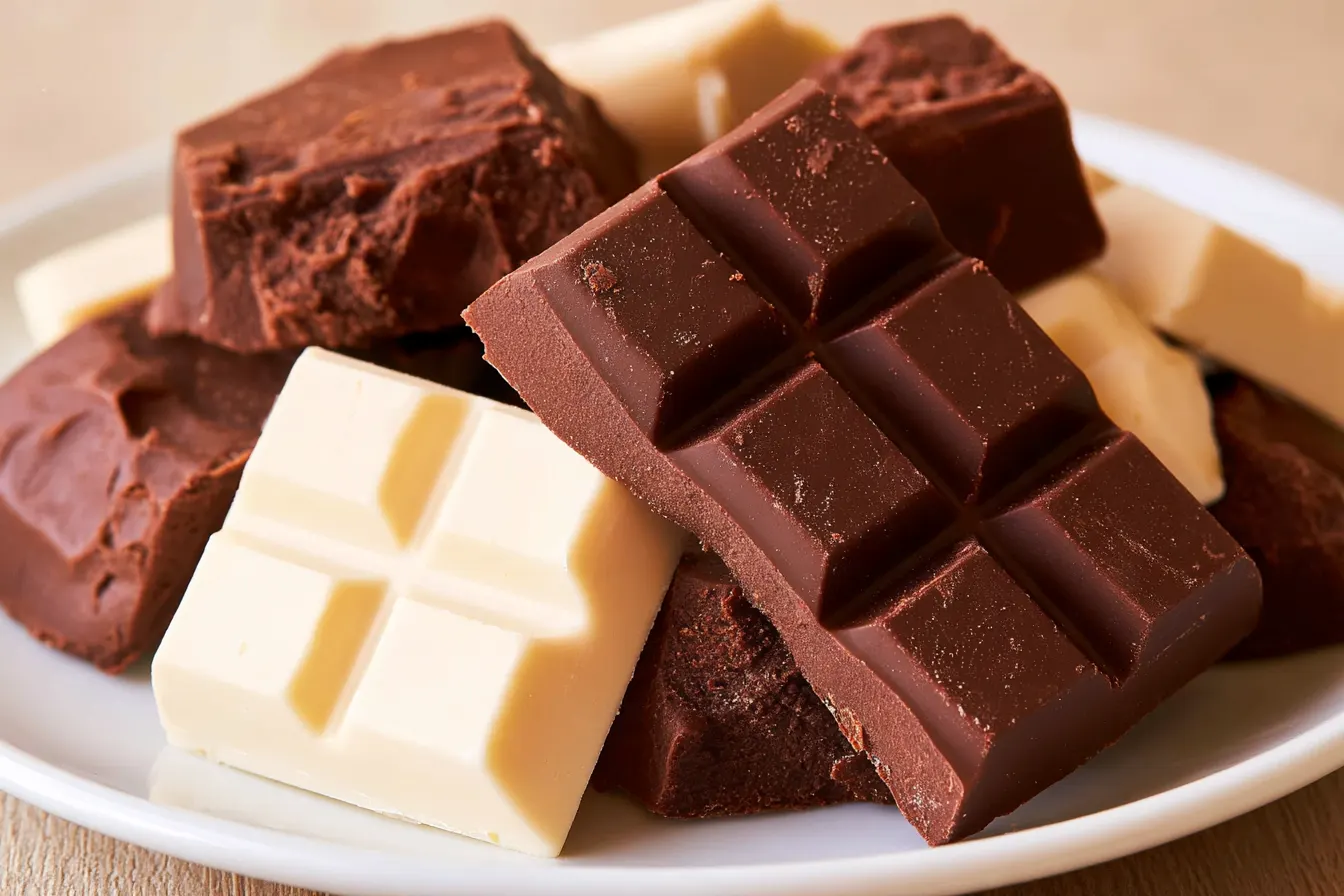
I once ran out of chocolate chips mid-batch of cookies. Panic set in. It was late, the stores were closed, and those cookies needed to happen. That desperate scramble led me down a rabbit hole of chocolate alternatives, and what I discovered changed my baking game forever. Finding the perfect chocolate substitute for baking doesn’t have to be a last-minute crisis; it can be an opportunity to explore new flavors and textures.
Whether you’re dealing with an allergy, a dietary restriction, or just an empty pantry, knowing your options for a chocolate alternative is incredibly empowering. We’re not just talking about swapping out dark for milk; we’re diving into the nuances of flavor profiles, fat content, and how different ingredients behave when heated.
Today, let’s unlock the secrets to successful chocolate swaps, ensuring your brownies are still fudgy, your cakes still rich, and your ganache still glossy, even without the exact chocolate the recipe calls for.

Why You Might Need a Chocolate Alternative
Life throws curveballs, even in the kitchen. Sometimes it’s a forgotten ingredient, other times it’s a dietary necessity. Understanding the core reasons for needing a chocolate substitute helps tailor the best solution.
Perhaps you’re baking for someone with a dairy allergy, and traditional milk chocolate is out. Or maybe a nut allergy means some chocolate-hazelnut spreads are off-limits. Beyond allergies, you might be looking for a lower-sugar option, or a vegan chocolate alternative that doesn’t compromise on taste or texture.
Common Scenarios for Swapping
The most frequent culprits behind a chocolate substitute search include:
- Allergies: Dairy, soy, or nut allergies often necessitate careful ingredient selection.
- Dietary Restrictions: Vegan, keto, or sugar-free diets require specific chocolate types or alternatives.
- Pantry Shortages: The classic “oops, I’m out of baking chocolate” moment.
- Flavor Preference: Sometimes you just want to experiment with different notes or less bitterness.
Knowing your “why” streamlines the “how” when it comes to chocolate substitutes.
Understanding Chocolate: The Building Blocks
Before we start swapping, let’s briefly break down what makes chocolate, well, chocolate. It’s not just a single ingredient; it’s a complex blend of cocoa solids, cocoa butter, sugar, and sometimes milk solids and emulsifiers.
Cocoa solids provide the deep, bitter chocolate flavor. Cocoa butter is the fat that gives chocolate its smooth melt-in-your-mouth texture and snap. Sugar balances the bitterness, and milk solids add creaminess and soften the flavor.
The proportion of these components dictates whether you have dark, milk, or white chocolate. When you’re looking for a chocolate substitute, you’re essentially trying to replicate this balance of flavor, fat, and sweetness.
Chocolate Substitutes: Dark Chocolate Edition
Dark chocolate is often defined by its high cocoa content and lower sugar. It brings an intense, sometimes bitter, chocolate flavor to baked goods. When you need a dark chocolate substitute, you’re aiming for that deep, rich cocoa punch.
Unsweetened Cocoa Powder + Fat + Sugar
This is probably the most common and versatile chocolate substitute. Unsweetened cocoa powder is pure cocoa solids, meaning it delivers intense chocolate flavor without the added fat or sugar of solid chocolate. You need to compensate for what’s missing.
- For 1 ounce (28g) unsweetened baking chocolate: Combine 3 tablespoons unsweetened cocoa powder with 1 tablespoon melted butter (or vegetable oil/coconut oil for vegan). Add 1 to 2 tablespoons sugar, depending on desired sweetness and recipe.
Note: This works best in recipes where the chocolate is melted and integrated into the batter, like brownies or chocolate cakes. It won’t work for chocolate chips or chunks.
Carob Powder
Carob is a pod from the carob tree, dried and roasted, then ground into a powder. It has a naturally sweet, malty flavor that’s somewhat similar to chocolate, but without the bitterness or caffeine.
- For 1 ounce dark chocolate: Use 3 tablespoons carob powder with 1 tablespoon of a neutral oil or butter, and adjust sugar to taste.
Carob is excellent for those with chocolate allergies or sensitivities, as it’s caffeine-free. However, it does have a distinct flavor that some find takes getting used to. It’s often used in “chocolate” desserts for dogs, too, as real chocolate is toxic to them.
Cacao Nibs
These are simply roasted, crushed cocoa beans. They are intensely bitter and crunchy, offering pure chocolate flavor without any added sugar or fat. They won’t melt like chocolate, but they provide a fantastic textural element and deep cocoa notes.
- As a texture/flavor additive: Use 1-2 tablespoons of cacao nibs in place of chocolate chips for a bitter, crunchy bite. Not a direct meltable chocolate substitute.
Chocolate Substitutes: Milk Chocolate Edition
Milk chocolate is characterized by its sweetness, creamy texture, and pronounced dairy notes due to the addition of milk solids. When looking for a milk chocolate substitute, you want to mimic this sweetness and creaminess.
Dark Chocolate + Milk Powder/Creamer + Sugar
You can ‘dilute’ dark chocolate to approximate milk chocolate. This method requires a bit more finesse, but it’s effective for creating a similar flavor profile.
- For 1 ounce milk chocolate: Melt 0.75 ounces (21g) dark chocolate (60-70% cocoa) with 0.25 ounces (7g) milk powder or non-dairy creamer, and add 1-2 teaspoons extra sugar.
This works well for ganaches or melted chocolate applications where the added milk powder can dissolve smoothly. The fat content of the dark chocolate will be higher, so adjust other fats in your recipe if necessary.
White Chocolate + Cocoa Powder
This might sound counter-intuitive, but white chocolate provides the fat and sugar base, to which you can add the cocoa flavor. This is particularly useful for achieving a specific texture or melt.
- For 1 ounce milk chocolate: Melt 1 ounce white chocolate with 1.5 teaspoons unsweetened cocoa powder.
The flavor won’t be exactly the same, as white chocolate lacks cocoa solids entirely, but it can provide a good functional substitute for melting and adding a sweet, creamy chocolate flavor.

Chocolate Substitutes: White Chocolate Edition
White chocolate contains no cocoa solids, just cocoa butter, sugar, and milk solids. It’s sweet, creamy, and melts beautifully. Its role is often more about texture, sweetness, and a buttery-vanilla note than intense chocolate flavor.
Cocoa Butter + Sugar + Milk Powder/Vanilla
If you can get your hands on cocoa butter, you’re halfway there. Cocoa butter provides the essential fat and melt characteristic of white chocolate. Add sugar for sweetness and milk powder for that creamy dairy note.
- For 1 ounce white chocolate: Melt 0.5 ounces (14g) cocoa butter with 0.5 ounces (14g) powdered sugar and 1 tablespoon milk powder (or non-dairy milk powder). Add a tiny dash of vanilla extract for extra flavor.
This is a more involved chocolate substitute, but it’s excellent for creating a true white chocolate experience from scratch, especially if you have allergy concerns. Tip: Ensure your cocoa butter is food-grade and not cosmetic-grade.
Vegan White Chocolate Chips/Bars
Many brands now offer excellent vegan white chocolate made with alternative milk solids (like rice milk or oat milk) and cocoa butter. These are a direct, convenient swap.
- For 1 ounce white chocolate: Use 1 ounce of a high-quality vegan white chocolate bar or chips.
These are typically found in the specialty or natural foods section of larger supermarkets. Always check labels for specific ingredients and allergens.
Chocolate Substitutes: Ruby Chocolate Edition
Ruby chocolate is a newer player, distinguished by its natural pink hue and unique fruity, slightly sour flavor. It’s made from special “ruby” cocoa beans and contains no added colors or fruit flavors.
White Chocolate + Freeze-Dried Berry Powder
Replicating ruby chocolate’s unique flavor and color is tricky, but you can get close by combining white chocolate’s creamy base with tart fruit notes and a natural color.
- For 1 ounce ruby chocolate: Melt 1 ounce white chocolate and stir in 1-2 teaspoons of freeze-dried raspberry or strawberry powder.
The freeze-dried powder will add both color and a concentrated fruity tang that echoes ruby chocolate’s distinct profile. The texture might be slightly grainier due to the powder.
Specialty Chocolate Substitutes & Considerations
Beyond the main types, sometimes you need a chocolate substitute for specific dietary needs or baking applications.
Sugar-Free Chocolate Substitute
Many brands offer sugar-free or “no sugar added” chocolate bars and chips, typically sweetened with erythritol, stevia, or other sugar alcohols. These are a direct one-to-one swap for regular chocolate in most recipes.
Alternatively, you can use unsweetened cocoa powder and sweeten your recipe with a sugar substitute of your choice. This gives you more control over the type and amount of sweetener.
Vegan Chocolate Substitute
The market for vegan chocolate has exploded. Look for bars and chips labeled “dairy-free” or “vegan.” These often use oat milk, rice milk, or almond milk solids instead of dairy. Many dark chocolates are naturally vegan, but always check the ingredient list to ensure no milk solids or butterfat are present.
Unsweetened cocoa powder is naturally vegan. When using it as a chocolate substitute, ensure the fat you add (like oil or vegan butter) is also vegan.
Nut-Free Chocolate Substitute
This is crucial for those with severe nut allergies. While chocolate itself doesn’t contain nuts, cross-contamination is a major concern in facilities that process both. Look for chocolate brands explicitly labeled “nut-free” or processed in dedicated nut-free facilities. Enjoy Life and Pascha are well-known brands that cater to nut allergies.
Carob is another naturally nut-free option if you’re looking for a chocolate-like flavor without the chocolate itself.
Chocolate Chips/Chunks Substitute
This is where things get a little different. For texture, not just flavor, you need something that holds its shape.
- For Chocolate Chips:
- Chopped Baking Chocolate: If you have a bar of baking chocolate (dark, milk, or white), you can chop it into chip-sized pieces.
- Butterscotch Chips: Offers a sweet, caramel-like flavor and similar texture.
- Peanut Butter Chips: For a nutty twist, if allergies aren’t a concern.
- White Chocolate Chips: A direct texture swap, but obviously a different flavor.
- Dried Fruit: Chopped dried cranberries, cherries, or raisins can provide a chewy, sweet counterpoint. Not a chocolate substitute, but a good mix-in.
- Cacao Nibs: As mentioned, these provide intense chocolate flavor and crunch, but won’t melt into gooey pockets.
When substituting chips, consider whether you need them to melt and create gooey pockets (like in cookies) or just provide texture and flavor (like in muffins).

How to Use Your Chocolate Substitutes Effectively
It’s not just about what you substitute, but how you integrate it into your recipe. Understanding the role chocolate plays in a recipe will help you make the best choice.
Consider the Recipe’s Function
Think about what the chocolate is doing in your recipe:
- Flavor: Is it the main chocolate flavor, like in a chocolate cake?
- Structure: Is it melted chocolate providing fat and richness, or cocoa powder absorbing liquid?
- Texture: Are you looking for a melt-in-your-mouth quality, or solid chunks that hold their shape?
- Color: Does the dark color of chocolate contribute to the aesthetic?
For example, using cocoa powder as a chocolate substitute in a molten lava cake might not achieve the same gooey center as melted chocolate would, because cocoa powder absorbs liquid rather than adding fat.
Note: When using unsweetened cocoa powder as a chocolate substitute, you are introducing a dry ingredient. This often means you need to slightly increase the liquid or fat in the recipe to maintain the right consistency. A good rule of thumb is to add an extra tablespoon of liquid (milk, water, or oil) for every 3 tablespoons of cocoa powder you add.
For recipes that rely heavily on the fat content of chocolate (like ganache or certain fudges), substituting with just cocoa powder will result in a much drier, less smooth product. In these cases, it’s essential to add extra fat like butter, coconut oil, or even a bit of heavy cream.
Adjusting Sweetness
Different chocolate substitutes have varying levels of sweetness. Unsweetened cocoa powder is bitter, so you’ll definitely need to add sugar. Carob powder is naturally sweeter than cocoa. If you’re swapping from milk chocolate to dark chocolate, you might need to increase the sugar in your recipe to balance the bitterness.
Always taste your batter or dough (before adding eggs, of course!) and adjust sweetness as needed. For liquid recipes like hot chocolate, this is even easier – just add sweetener to taste.
Troubleshooting Common Chocolate Substitute Issues
Even with the best intentions, things can go awry. Here are a few common issues you might encounter and how to fix them:
Texture is Too Dry or Crumbly
This often happens when using cocoa powder as a chocolate substitute without compensating for the lack of fat and moisture.
- Solution: Add more fat (butter, oil, vegetable shortening) or liquid (milk, water, coffee) a tablespoon at a time until the desired consistency is reached. Remember that cocoa powder is a dry ingredient that absorbs moisture.
Flavor is Not Intense Enough
If your chocolate substitute leaves you wanting more chocolatey goodness, it means you need to amp up the cocoa notes.
- Solution: Add a teaspoon of instant espresso powder or coffee. Coffee famously enhances chocolate flavor without making your dish taste like coffee. A pinch of salt can also boost flavor. For more pure cocoa flavor, use a higher quality unsweetened cocoa powder (like Dutch-processed for a milder, darker flavor, or natural for a more acidic, sharp flavor).
Recipe Color is Too Light
Some chocolate substitutes, especially those involving carob or white chocolate, won’t give you that deep, rich brown color.
- Solution: For cosmetic purposes, you can add a tiny drop of brown food coloring (gel or liquid) or a bit more cocoa powder if flavor allows. Remember that appearance isn’t everything, and taste is paramount.
Chocolate Substitute Won’t Melt Smoothly
This can happen if your substitute has a different fat content or composition.
- Solution: Ensure you are melting over low heat, gently. If using cocoa powder + fat, combine them thoroughly before adding to liquids. If your substitute is seizing (turning lumpy), try stirring in a teaspoon of hot liquid (water, milk, or oil) at a time until it loosens.
Frequently Asked Questions About Chocolate Substitutes
Let’s tackle some of the most common queries when you’re in a pinch for chocolate.
Can I use chocolate syrup as a chocolate substitute for baking?
Generally, no. Chocolate syrup is mostly sugar, water, and cocoa, with very little fat. It’s too thin and sweet, and its high water content will drastically alter the texture and consistency of baked goods. It might work as a drizzle or for flavoring drinks, but not as a structural chocolate substitute in baking.
What’s the difference between natural cocoa powder and Dutch-processed cocoa powder?
Natural cocoa powder is acidic and has a lighter color and sharper chocolate flavor. It reacts with baking soda to create leavening. Dutch-processed cocoa powder has been treated with an alkali to neutralize its acidity, resulting in a darker color, milder flavor, and no reaction with baking soda. If your recipe uses baking soda, stick to natural cocoa. If it uses baking powder, or no leavener, Dutch-processed is fine. When using as a chocolate substitute, either can work, but be mindful of the leavening agent in the original recipe.
Can I just leave out the chocolate if I don’t have a substitute?
It depends entirely on the recipe. If chocolate is a main ingredient contributing significant fat, flavor, or structure (like in a brownie or chocolate cake), leaving it out will likely result in a very different, and probably unsatisfactory, product. If it’s just a garnish or a small amount for subtle flavor, you might be able to omit it or swap it for something else entirely, like a spice (cinnamon, nutmeg) or dried fruit.
Are chocolate substitutes always healthier?
Not necessarily. While some chocolate substitutes like carob are naturally lower in fat or caffeine, others might involve adding significant amounts of sugar or different fats to achieve a similar taste or texture. Always check the nutritional information if health is your primary concern. Sugar-free chocolate substitutes will reduce sugar, but may contain sugar alcohols which can affect digestion in some people.
What about making my own chocolate substitute from scratch?
It’s possible! If you have cocoa powder, cocoa butter, and a sweetener, you can combine them to make a basic chocolate paste that functions similarly to melted baking chocolate. This gives you ultimate control over ingredients, especially for specific dietary needs. You’d typically melt the cocoa butter, stir in the cocoa powder until smooth, then whisk in your sweetener. This is a great option for a truly custom chocolate substitute.
There you have it: a comprehensive guide to navigating the world of chocolate substitutes. Don’t let an empty pantry or a dietary restriction stop you from enjoying delicious chocolatey treats. With these tips and tricks, you’ll be a master of the swap, always ready to bake up something wonderful.

Ultimate Chocolate Substitute Guide
A comprehensive guide to finding the perfect chocolate substitute for baking, covering dark, milk, white, and ruby chocolate alternatives.
📝 Ingredients
👩🍳 Instructions
- 1For 1 ounce (28g) unsweetened baking chocolate: Combine 3 tablespoons unsweetened cocoa powder with 1 tablespoon melted butter (or vegetable oil/coconut oil for vegan). Add 1 to 2 tablespoons sugar, adjusting to desired sweetness and recipe requirements. Use in recipes where chocolate is melted and integrated.
- 2For 1 ounce dark chocolate (using carob): Use 3 tablespoons carob powder with 1 tablespoon of a neutral oil or butter, adjusting sugar to taste. Note carob's distinct flavor.
- 3For 1 ounce milk chocolate (from dark chocolate): Melt 0.75 ounces (21g) dark chocolate (60-70% cocoa) with 0.25 ounces (7g) milk powder or non-dairy creamer, and add 1-2 teaspoons extra sugar. Suitable for ganaches or melted applications.
- 4For 1 ounce milk chocolate (from white chocolate): Melt 1 ounce white chocolate and stir in 1.5 teaspoons unsweetened cocoa powder. Provides a sweet, creamy base with cocoa notes.
- 5For 1 ounce white chocolate (from scratch): Melt 0.5 ounces (14g) food-grade cocoa butter with 0.5 ounces (14g) powdered sugar and 1 tablespoon milk powder (or non-dairy milk powder). Add a tiny dash of vanilla extract for flavor.
- 6For 1 ounce ruby chocolate (approximation): Melt 1 ounce white chocolate and stir in 1-2 teaspoons of freeze-dried raspberry or strawberry powder for color and fruity tang.
- 7For sugar-free chocolate: Use commercially available sugar-free chocolate products as a 1:1 substitute, or use unsweetened cocoa powder and sweeten with your preferred sugar substitute.
- 8For vegan chocolate: Opt for certified dairy-free/vegan chocolate products. Unsweetened cocoa powder is naturally vegan; ensure any added fats are also vegan.
- 9For nut-free chocolate: Seek out brands explicitly labeled 'nut-free' or processed in dedicated nut-free facilities to avoid cross-contamination.
- 10For chocolate chips/chunks (texture substitutes): Chop baking chocolate, or use butterscotch chips, peanut butter chips, white chocolate chips, or dried fruit for texture and different flavors. Cacao nibs offer intense cocoa and crunch without melting.
💡 Notes
When using unsweetened cocoa powder as a chocolate substitute, you may need to add an extra tablespoon of liquid (milk, water, or oil) for every 3 tablespoons of cocoa powder to maintain proper consistency, as cocoa absorbs moisture. Always taste and adjust sweetness accordingly based on the specific substitute used and the original recipe's requirements.