


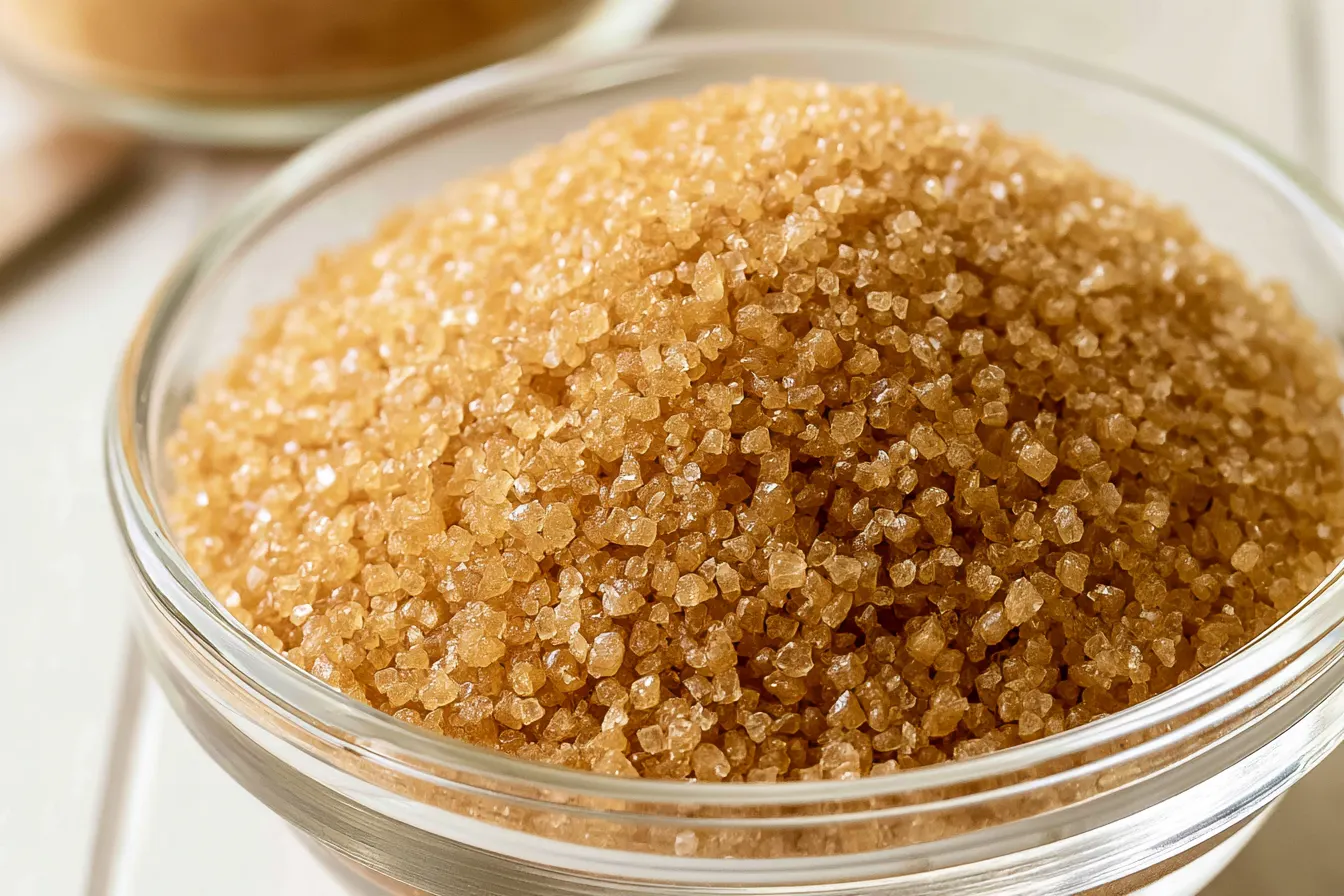
Ever found yourself mid-recipe, staring at the ingredient list, only to realize your pantry is missing that one crucial item? For me, that item often used to be demerara sugar. It’s a fantastic sugar, don’t get me wrong – its coarse texture and subtle caramel notes are wonderful in certain bakes. But sometimes, life (and baking) happens, and you just don’t have it on hand. That’s precisely why I started experimenting, determined to find a reliable demerara sugar substitute that wouldn’t compromise the final dish.
- Unpacking the Sweetness: What is Demerara Sugar?
- Your Go-To Demerara Sugar Alternatives
- 1. Turbinado Sugar: The Closest Cousin
- 2. Light Brown Sugar: For Flavor & Moisture
- 3. Granulated Sugar (White Sugar): The Universal Sweetener
- 4. Raw Cane Sugar: A Close Relative
- 5. Muscovado Sugar (Light or Dark): For Deep Molasses Flavor
- 6. Maple Sugar: A Natural Alternative
- 7. Coconut Sugar: Earthy and Lower Glycemic Index
- The Great Sugar Showdown: Quick Comparison Chart
- Beyond the Swap: Making Your Own Light Brown Sugar
- Frequently Asked Questions About Sugar Swaps
- What’s the main difference between demerara and turbinado sugar?
- Can I just use regular white granulated sugar instead of demerara?
- Will using a demerara sugar substitute change my recipe significantly?
- Is demerara sugar healthier than other sugars?
- Can I use demerara sugar as a substitute for brown sugar?
- What about baking with alternative sweeteners like stevia or erythritol?
- A Final Word on Sweet Substitutions

Unpacking the Sweetness: What is Demerara Sugar?
Let’s get a little geeky for a moment, in the best possible way. Demerara sugar originates from the Demerara region of Guyana, though today it’s produced in various cane-growing regions around the world. It’s minimally processed, which means it retains some of the natural molasses from the sugarcane, giving it its distinctive color and flavor. Unlike refined white sugar, which is pure sucrose, demerara sugar has a tiny bit of character. Its crystals are larger and harder than regular granulated sugar, which means it doesn’t dissolve as quickly. This makes it ideal for sprinkling over muffins, pies, or crumbles where you want that sparkling, slightly crunchy crust. It’s also less moisture-rich than brown sugar, so it won’t drastically alter the texture of your doughs or batters if used internally. Understanding these characteristics is the first step to a successful swap!Why Even Look for a Swap?
Beyond simply not having it on hand, there might be other reasons to seek out a demerara sugar substitute. Perhaps you prefer a slightly different flavor profile, or you’re looking for an option that’s more readily available in your local grocery store. Sometimes, specific dietary needs might also lead you to explore alternatives. Whatever your motivation, knowing your options empowers you to be a more versatile and confident baker.Your Go-To Demerara Sugar Alternatives
Alright, let’s get to the good stuff! Here are my top picks for replacing demerara sugar, categorized by what they bring to the table.1. Turbinado Sugar: The Closest Cousin
If you’re looking for a near-identical demerara sugar substitute, turbinado sugar is your best bet. They are incredibly similar, often confused, and for good reason! Why it works: Turbinado sugar also has large, coarse crystals and a light golden-brown color. It retains some molasses, giving it a similar mild caramel flavor. The texture is almost indistinguishable from demerara, making it perfect for toppings. How to use it: Use it in a 1:1 ratio. It’s excellent for sprinkling over baked goods, coffee, or teas. If your recipe calls for demerara inside a batter, turbinado will perform almost identically. Best for: Any recipe where demerara’s texture and subtle flavor are important.2. Light Brown Sugar: For Flavor & Moisture
Light brown sugar is a fantastic all-rounder and probably the most common demerara sugar substitute you’ll find in pantries. Why it works: It contains molasses, providing a lovely caramel-like flavor, though it’s typically softer and finer than demerara due to its higher moisture content. The flavor is a bit more pronounced than demerara. How to use it: Use it in a 1:1 ratio for sweetness and flavor. Be mindful of its moisture content; if your recipe relies heavily on demerara’s coarser, drier texture (e.g., for a crisp topping), light brown sugar might make it a little chewier or less crisp. For batters and doughs, it’s generally a seamless swap. Best for: Adding sweetness and a rich, moist caramel flavor to cakes, cookies, and quick breads. Less ideal for a crunchy topping unless you don’t mind a softer crust.3. Granulated Sugar (White Sugar): The Universal Sweetener
Ah, the humble granulated sugar. Always there, always reliable for sweetness. Why it works: It provides pure sweetness and similar crystal size to demerara (though demerara is coarser). It won’t add any caramel flavor or moisture, which can be a pro or con depending on the recipe. How to use it: Use it in a 1:1 ratio for sweetness. To mimic some of demerara’s texture for toppings, you could try mixing it with a tiny amount of molasses (see tip below!). For internal use in batters, it will work fine but you’ll lose the subtle depth of flavor. Tip: To get closer to demerara’s flavor and color, try adding 1 teaspoon of molasses for every cup of granulated sugar. Mix it well until uniform. This creates a DIY light brown sugar, which is a good stand-in. Best for: Recipes where the primary need is sweetness and the demerara’s specific flavor or texture isn’t critical.4. Raw Cane Sugar: A Close Relative
“Raw cane sugar” is a broad term, but often refers to sugars like turbinado or demerara themselves, or slightly less refined versions of granulated sugar. Why it works: It shares the same origin and minimal processing as demerara, meaning it will likely have similar crystal size, color, and flavor characteristics. How to use it: Treat it as you would turbinado or demerara, using a 1:1 ratio. Best for: A very reliable direct swap, especially if the packaging indicates larger crystals.5. Muscovado Sugar (Light or Dark): For Deep Molasses Flavor
Muscovado sugar is another minimally processed cane sugar, but it retains a much higher molasses content than demerara, giving it a strong, complex flavor and a very moist, almost sticky texture. Why it works: It offers a deep, rich caramel-molasses flavor that can be absolutely delicious in certain applications. If you love robust flavor, this is your pick. How to use it: Use it in a 1:1 ratio. Be aware that its high moisture content will affect the texture of your baked goods, making them chewier and denser. It’s not ideal for crunchy toppings. Best for: Recipes where you want a pronounced, rich molasses flavor and a moist texture, such as gingerbread, fruitcakes, or certain cookies.
6. Maple Sugar: A Natural Alternative
Maple sugar is made from the evaporated sap of maple trees and offers a unique, distinct flavor. Why it works: It provides a natural sweetness with lovely maple notes. Its texture can range from fine to slightly granular, depending on the brand. How to use it: Use it in a 1:1 ratio. Keep in mind that its flavor is quite distinct, so ensure it complements the other ingredients in your recipe. Best for: Recipes where maple flavor would be welcome, like oatmeals, fruit crumbles, or certain glazes.7. Coconut Sugar: Earthy and Lower Glycemic Index
Coconut sugar is derived from the sap of coconut palm and has become popular as a natural alternative. Why it works: It has a caramel-like flavor, similar to brown sugar, but often with a slightly earthier undertone. It’s also often praised for its lower glycemic index. How to use it: Use it in a 1:1 ratio. Its crystal size is usually smaller than demerara but larger than granulated sugar. Best for: Health-conscious recipes or when you want an earthy, caramel flavor without the strong molasses notes of muscovado.The Great Sugar Showdown: Quick Comparison Chart
Sometimes, seeing it all laid out helps, right? Here’s a quick reference for your demerara sugar substitute decisions.| Sugar Type | Flavor Profile | Texture / Crystal Size | Best Use Case | Ratio to Demerara |
|---|---|---|---|---|
| Demerara (Original) | Mild caramel, toffee | Coarse, crunchy | Toppings, coffee, some baking | – |
| Turbinado Sugar | Mild caramel, clean | Coarse, crunchy | Direct 1:1 swap for texture and flavor | 1:1 |
| Light Brown Sugar | Caramel, moist | Fine, soft | Batters, cookies (adds moisture) | 1:1 |
| Granulated Sugar | Pure sweet | Fine | Sweetness only; good for batters | 1:1 |
| Raw Cane Sugar | Mild caramel | Coarse | Good direct swap | 1:1 |
| Muscovado Sugar | Deep molasses, rich | Very fine, moist, sticky | Robust flavored bakes (gingerbread) | 1:1 |
| Maple Sugar | Distinct maple | Fine to granular | Maple-flavored dishes, fruit crumbles | 1:1 |
| Coconut Sugar | Earthy caramel | Medium granular | Healthier bakes, earthy flavor profiles | 1:1 |
Beyond the Swap: Making Your Own Light Brown Sugar
Remember that tip about adding molasses to granulated sugar? It’s a fantastic trick that deserves its own little spotlight. If you’re ever out of light brown sugar *and* demerara, but have granulated sugar and molasses, you’re in business!Here’s how to do it:
1. Measure your granulated sugar: For every cup of light brown sugar your recipe calls for, measure out one cup of granulated sugar. 2. Add molasses: For every cup of granulated sugar, add 1 to 2 tablespoons of molasses. Start with 1 tablespoon for light brown sugar, and 2 for a darker, richer flavor akin to dark brown sugar. 3. Mix thoroughly: Using a fork or your hands (it’s a bit messy but effective!), work the molasses into the sugar until it’s uniformly colored and clumped together like commercial brown sugar. This takes a few minutes of patient mixing. 4. Store it: Keep your homemade brown sugar in an airtight container, just like you would store store-bought brown sugar, to prevent it from drying out. This method gives you incredible flexibility and ensures you’re never caught without that lovely molasses flavor. It’s also a great way to control the intensity of the molasses if you find store-bought brown sugars too mild or too strong.Frequently Asked Questions About Sugar Swaps
It’s natural to have questions when you’re thinking about changing a core ingredient in a recipe. Here are some of the most common queries I get about demerara sugar and its alternatives.What’s the main difference between demerara and turbinado sugar?
Honestly, the differences are minimal and often come down to regional naming conventions and slight variations in processing. Both are minimally processed raw cane sugars with large crystals and a mild molasses flavor. Turbinado sugar typically gets its name from the “turbine” process used to spin off excess molasses. For most home baking purposes, they are interchangeable.Can I just use regular white granulated sugar instead of demerara?
Yes, you absolutely can for sweetness! However, you’ll miss out on demerara’s unique texture and subtle caramel flavor. If the recipe relies on demerara for a crunchy topping, white sugar won’t provide the same effect. For internal use in batters, it’s a fine substitute for sweetness, but the flavor profile will be simpler.Will using a demerara sugar substitute change my recipe significantly?
It depends on the substitute and the recipe. If you swap demerara for turbinado, the change will be barely noticeable. If you swap for muscovado, you’ll get a much deeper molasses flavor and a moister, denser texture. Granulated sugar will result in a less complex flavor. Always consider what demerara is *doing* in the recipe (texture, flavor, moisture) before making a swap. For most recipes where demerara is used as a sweetener or for a light topping, a suitable substitute will yield excellent results.Is demerara sugar healthier than other sugars?
While demerara sugar is less refined than white granulated sugar and retains some minerals from the sugarcane, the nutritional difference is negligible in the amounts typically consumed. All sugars should be consumed in moderation. Some people prefer it for its taste or because it’s less processed, but it’s still sugar.Can I use demerara sugar as a substitute for brown sugar?
You *can*, but be aware of the differences. Demerara has larger, drier crystals and less molasses flavor than brown sugar. If you use it in a recipe calling for brown sugar (especially light or dark brown sugar), your baked goods might be less moist, less chewy, and have a milder caramel flavor. It works best as a brown sugar substitute when you want a slightly drier, crisper texture, or if you’re specifically going for a less intense molasses flavor.What about baking with alternative sweeteners like stevia or erythritol?
That’s a whole different ballgame! Swapping demerara sugar for non-sugar sweeteners involves more than just a 1:1 ratio. These alternatives often behave differently in baking – affecting texture, browning, and mouthfeel – and usually require specific adjustments or recipes formulated for them. While some can be used for general sweetness, they won’t replicate demerara’s unique properties.A Final Word on Sweet Substitutions
Finding the perfect demerara sugar substitute is all about understanding the nuances of sugar and the specific role it plays in your recipe. Don’t be afraid to experiment a little! Baking is a science, yes, but it’s also an art, and sometimes the most delightful discoveries come from a bit of improvisation in the kitchen. My best advice? If the recipe calls for demerara as a topping for crunch and sparkle, reach for turbinado or even a coarse raw cane sugar. If it’s mixed into a batter for a subtle caramel note, light brown sugar or even granulated sugar with a touch of molasses will do beautifully. The most important thing is to keep baking, keep experimenting, and keep enjoying the process. Happy baking, my friends!
Demerara Sugar Substitute Guide
A comprehensive guide to finding the best demerara sugar substitutes for any baking or cooking need.
📝 Ingredients
👩🍳 Instructions
- 1Identify the primary role of demerara sugar in your recipe: Is it for sweetness, texture (crunchy topping), or a specific flavor (mild caramel)?
- 2Consult the 'Your Go-To Demerara Sugar Alternatives' section and the 'Quick Comparison Chart' to select the best substitute that matches the desired characteristics.
- 3For most substitutes like turbinado, light brown sugar, raw cane sugar, maple sugar, or coconut sugar, use a 1:1 ratio by volume.
- 4If using granulated sugar, use a 1:1 ratio for sweetness. If a mild caramel flavor is also desired, consider adding 1 teaspoon of molasses per cup of granulated sugar and mixing thoroughly.
- 5If using muscovado sugar, be aware that its higher moisture content and stronger molasses flavor will impact the final product, potentially making it denser or chewier. Use in a 1:1 ratio if a richer, moist result is desired.
💡 Notes
Always consider the impact of moisture and crystal size when substituting sugars. Turbinado is the closest match for texture and mild flavor. Light brown sugar is excellent for flavor and moisture in batters. Granulated sugar is a good general sweetener. For a homemade brown sugar, combine 1 cup granulated sugar with 1-2 tbsp molasses until uniform.