


Ever stood in front of your pantry, recipe in hand, only to discover you’re fresh out of a key ingredient? That’s precisely what happened to me last Tuesday. I was mid-way through a batch of my famous chewy chocolate chip cookies, a recipe that absolutely *sings* with the deep, molasses-rich notes of muscovado sugar, when I realized my sugar jar was, tragically, empty. Panic? Maybe a little. But a seasoned baker knows that true magic often happens when you have to pivot, and finding a good muscovado sugar substitute became my immediate mission.
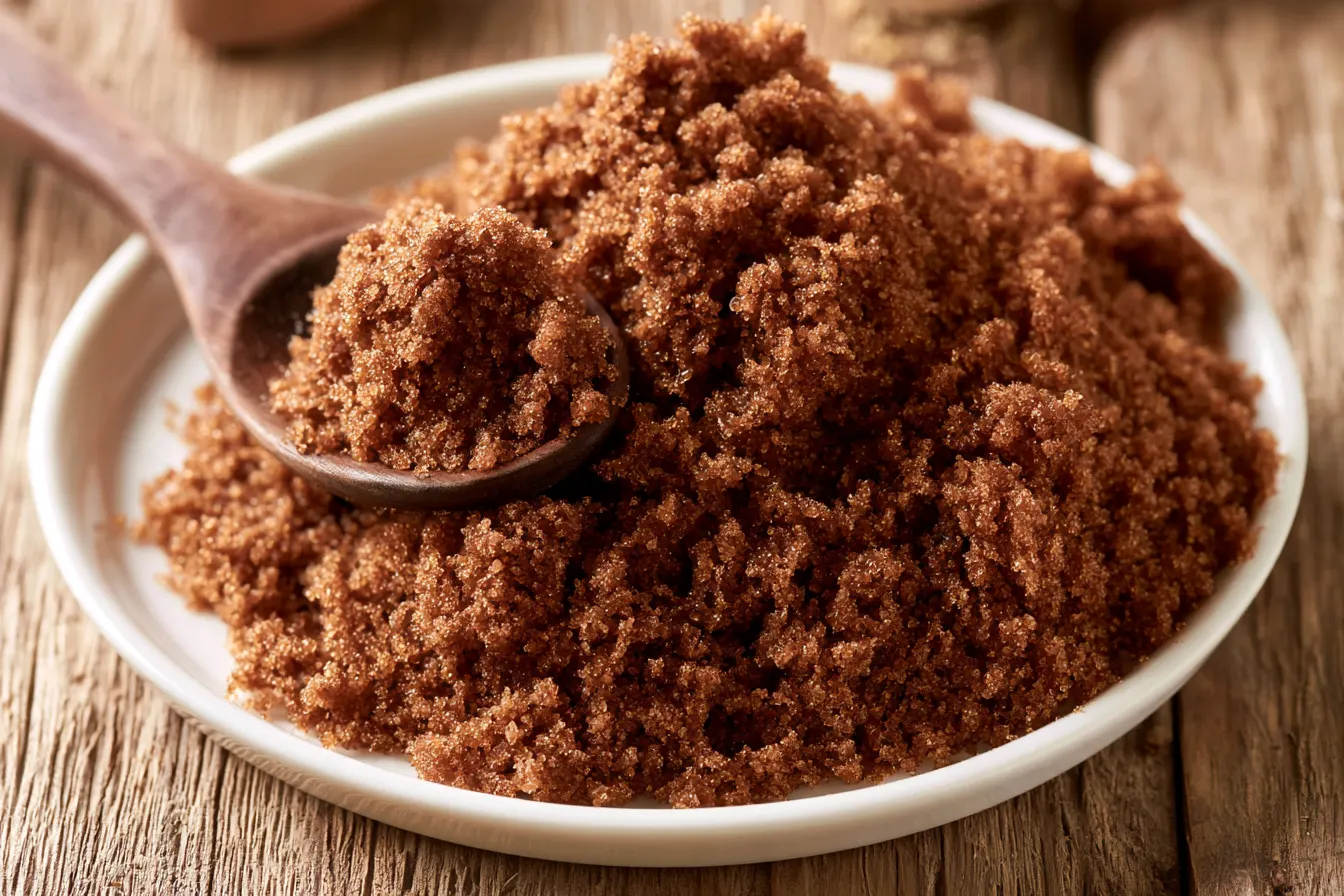
Muscovado sugar, with its unique moist texture and complex flavor profile, isn’t just any brown sugar. It brings a certain je ne sais quoi to baked goods, savory glazes, and even coffee. It’s less refined than most sugars, retaining much of its natural molasses, which contributes to its distinctive fudgy consistency and robust, almost smoky taste. When a recipe calls for it, you really want to honor that flavor.
So, what’s a home cook to do when the recipe demands muscovado, but the cupboard offers only alternatives? Don’t fret! I’ve spent some time in the kitchen experimenting, tasting, and tweaking to bring you the best options for a muscovado sugar substitute that will keep your dishes delicious and your baking on track.

Finding a suitable replacement for muscovado sugar isn’t just about sweetness; it’s about replicating that unique depth of flavor and moisture it imparts. This unrefined cane sugar, often available in light and dark varieties, is treasured for its sticky texture and intense toffee-like notes. It’s a star in everything from rich fruitcakes and marinades to sophisticated desserts. When you’re in a pinch, understanding what makes muscovado special helps you choose the best stand-in.
Why Muscovado Sugar Stands Out
Before we dive into substitutes, let’s appreciate what makes muscovado so distinct. It’s an unrefined, non-centrifugal cane sugar, meaning it hasn’t had its molasses stripped away. This process leaves it with a higher moisture content and a more complex flavor than conventional brown sugars. You get notes of caramel, toffee, and sometimes even a hint of coffee, all wrapped up in a wonderfully sticky, almost clumpy texture. This isn’t just sweetness; it’s an experience.
Flavor Profile and Texture
The dark muscovado has a more pronounced molasses flavor, deeper and more intense, making it ideal for rich, dark desserts or savory applications like barbecue sauces. Light muscovado is milder, with a more subtle caramel note, perfect for lighter baked goods where you still want that depth without overpowering other flavors. Both types contribute significant moisture to whatever you’re making, which is a crucial element to consider when substituting.
The Best Substitutions for Muscovado Sugar
When you’re looking for a muscovado sugar substitute, the goal is to mimic its flavor, moisture, and sweetness as closely as possible. Some options will hit all three, while others might require a slight adjustment to your recipe.
Dark Brown Sugar + Molasses
This is, hands down, my top recommendation for a muscovado sugar substitute. Dark brown sugar is essentially refined white sugar with molasses added back in. By adding a little extra molasses, you can get very close to the muscovado experience.
- Ratio: For every 1 cup of muscovado sugar, use 1 cup of dark brown sugar plus 1 tablespoon of molasses.
- Why it works: The dark brown sugar provides the base sweetness and some molasses content, while the added molasses boosts the flavor and moisture to match muscovado’s intensity. This combination gives you that deep, complex flavor and sticky texture you’re looking for.
- Best for: Almost any recipe calling for muscovado, especially those where its distinctive flavor is a highlight, like chocolate chip cookies, gingerbread, or rich glazes.
Light Brown Sugar + Molasses
If dark brown sugar isn’t available, light brown sugar can also work, though you’ll need a bit more molasses to achieve the desired depth of flavor.
- Ratio: For every 1 cup of muscovado sugar, use 1 cup of light brown sugar plus 1 ½ to 2 tablespoons of molasses.
- Why it works: Similar to the dark brown sugar method, the molasses enriches the flavor and moisture. You might find the final product slightly less robust than with dark brown sugar, but it’s still a very good stand-in.
- Best for: Lighter baked goods, fruit crumbles, or sauces where a strong molasses flavor isn’t the absolute star.
Piloncillo or Panela
These unrefined Mexican and Latin American cane sugars are excellent, often overlooked, muscovado sugar substitutes. They come in cones or blocks and have a deep, caramel-like flavor with a hint of smokiness, very similar to muscovado.
- Ratio: For every 1 cup of muscovado sugar, use 1 cup of grated or finely chopped piloncillo/panela.
- Why it works: They are essentially muscovado’s cousins, sharing the unrefined nature and high molasses content. The flavor profile is remarkably similar, offering a rich, complex sweetness. You will need to grate or chop them finely before measuring for best results.
- Best for: Any recipe where muscovado is called for, particularly in Latin-inspired dishes or robust desserts.

Demerara Sugar or Turbinado Sugar
These sugars are less refined than white granulated sugar but more refined than muscovado. They have larger crystals and a drier texture, with a subtle caramel flavor. They don’t offer the same moisture or intense molasses notes, but they can work in a pinch.
- Ratio: For every 1 cup of muscovado sugar, use 1 cup of demerara or turbinado sugar. You might consider adding ½ to 1 tablespoon of liquid (like milk, water, or a touch of molasses) to your recipe to compensate for the lost moisture, especially in baked goods.
- Why it works: They provide a coarse texture and a hint of caramel, which is better than plain white sugar. However, they lack the moistness and deep molasses flavor, so adjust your expectations or supplement with a tiny bit of liquid.
- Best for: Recipes where the sugar is primarily for sweetness and a slight caramel note, or where a crunchier texture is desired, like a topping for muffins or crumbles. They’re not ideal for recipes that rely heavily on muscovado’s moisture.
White Granulated Sugar + Molasses
This is your last resort, but it can absolutely work if you have nothing else. It’s essentially making your own brown sugar on the fly.
- Ratio: For every 1 cup of muscovado sugar, use 1 cup of white granulated sugar plus 2-3 tablespoons of molasses.
- Why it works: The molasses provides the necessary flavor and moisture, transforming the plain white sugar into a brown sugar substitute. You’ll need more molasses here to really amp up the flavor and color.
- Best for: Any recipe when you’re truly desperate and have no other brown sugar on hand. It will get the job done, though the flavor might be slightly less nuanced than using a pre-made brown sugar.
Tips for Successful Substitution
When swapping out muscovado, a few considerations can help ensure your recipe turns out perfectly.
Adjusting for Moisture
Muscovado sugar is exceptionally moist. If you’re using a drier substitute like demerara or turbinado, or even just regular brown sugar without added molasses, your final product might be a little drier. For baked goods, you might need to add an extra tablespoon or two of liquid (milk, water, or even a bit of extra oil or butter) to the batter or dough to compensate.
Flavor Intensity
Remember that the depth of flavor will vary. If your recipe relies heavily on muscovado’s rich, dark notes, try to use a substitute that incorporates molasses. If the muscovado is just one of many flavors, a simpler substitute might suffice without a noticeable difference.
Measuring Correctly
Always pack your brown sugar and muscovado substitutes tightly into the measuring cup, just as you would with traditional brown sugar. This ensures you’re getting the correct amount of sugar by weight and density.

My Favorite Muscovado Recipes
Once you’ve mastered the art of substitution, you’ll be ready to tackle any recipe that calls for this lovely sugar. Here are a few of my go-to’s that truly shine with muscovado or its best stand-ins:
Chewy Muscovado Chocolate Chip Cookies
These aren’t just any chocolate chip cookies. The muscovado sugar makes them incredibly chewy, with a deep caramel note that perfectly complements the melty chocolate. The slight chewiness from the muscovado keeps them from becoming too crisp, even on the edges. The aroma alone when these bake is enough to make anyone swoon.
Sticky Toffee Pudding
A classic for a reason! The rich, date-filled sponge soaked in an even richer toffee sauce absolutely needs the complex sweetness of muscovado. The way the sugar caramelizes and deepens the flavor of the sauce is simply unparalleled. It brings a certain warmth and richness that other sugars just can’t quite achieve.
Muscovado Glazed Ham
Not just for desserts! A muscovado glaze on a holiday ham creates a beautifully burnished crust with a sweet, savory, and slightly smoky flavor. It caramelizes beautifully, forming a sticky, flavorful coating that’s irresistible. The deep notes of the muscovado really make this glaze sing.
Frequently Asked Questions About Muscovado Sugar Substitutes
Can I just use regular brown sugar instead of muscovado?
You can, but the results won’t be exactly the same. Regular brown sugar (light or dark) is more refined and contains less molasses than muscovado, so it won’t offer the same depth of flavor or moisture. To get closer, add a teaspoon or two of molasses to your brown sugar per cup.
Is demerara sugar a good muscovado substitute?
Demerara sugar can work in a pinch, especially if you’re looking for a topping or a less intense sweetness. However, it’s much drier and has larger crystals, so it won’t provide the same moisture or rich, fudgy texture that muscovado does in baked goods. You might need to add a touch more liquid to your recipe.
What’s the difference between muscovado and dark brown sugar?
Muscovado is less refined, retaining more of its natural molasses, which gives it a stickier texture and a more complex, robust flavor (often described as toffee-like or smoky). Dark brown sugar is white granulated sugar with molasses added back in, making it less complex and generally less moist than muscovado.
How does muscovado sugar affect baked goods?
Muscovado sugar contributes a deep, complex caramel/toffee flavor, a fudgy texture, and significant moisture to baked goods. It helps keep cookies chewy, cakes moist, and adds a rich, nuanced sweetness that is hard to replicate with other sugars alone.
Can I use coconut sugar as a muscovado substitute?
Coconut sugar has a similar color and a slightly caramel-like flavor, but it’s much drier than muscovado and lacks the intense molasses notes. While it can work as a general brown sugar substitute, it won’t fully capture the unique qualities of muscovado. If you use it, be prepared for a drier texture and a less complex flavor profile.
Final Thoughts on Swapping Sugars
Don’t let a missing ingredient derail your baking plans! While muscovado sugar is truly special, there are excellent muscovado sugar substitute options that will ensure your recipes still turn out beautifully. My personal preference leans heavily towards using dark brown sugar with a boost of molasses, as it comes closest to replicating that unique flavor and texture. So next time you’re staring at an empty jar, remember these tips, and bake on!

Muscovado Sugar Substitute Guide
A comprehensive guide to the best muscovado sugar substitutes, ensuring your recipes always taste great.
📝 Ingredients
👩🍳 Instructions
- 1Method 1: Dark Brown Sugar + Molasses
- 2Combine 1 cup of dark brown sugar with 1 tablespoon of unsulphured molasses in a bowl.
- 3Mix thoroughly with a fork or your fingers until the molasses is evenly distributed and the sugar has a consistent, moist texture, similar to muscovado. Use this mixture 1:1 in your recipe.
- 4Method 2: Light Brown Sugar + Molasses
- 5Combine 1 cup of light brown sugar with 1 ½ to 2 tablespoons of unsulphured molasses.
- 6Stir well until fully incorporated. This will yield a slightly less intense flavor than using dark brown sugar, but still a good substitute.
- 7Method 3: Piloncillo or Panela
- 8Finely grate or chop 1 cup of piloncillo or panela. Measure carefully to ensure you have the correct volume.
- 9Use this directly as a 1:1 substitute for muscovado sugar.
- 10Method 4: Demerara Sugar
- 11Use 1 cup of demerara sugar for every 1 cup of muscovado. Be aware that this substitute is drier and has less molasses flavor.
- 12Consider adding an extra 1-2 tablespoons of liquid (milk, water, or oil) to your overall recipe to compensate for the lost moisture, especially in baked goods.
- 13Method 5: White Granulated Sugar + Molasses
- 14Combine 1 cup of white granulated sugar with 2-3 tablespoons of unsulphured molasses.
- 15Mix until the sugar is uniformly colored and moist. This is your most basic option but will provide the necessary sweetness and molasses notes.
💡 Notes
Always pack your brown sugar and any substitutes tightly into the measuring cup. For best results, use unsulphured molasses. When using drier substitutes, be mindful of the overall moisture content of your recipe and adjust liquids as needed. The goal is to mimic both the flavor and the moisture profile of muscovado sugar.