


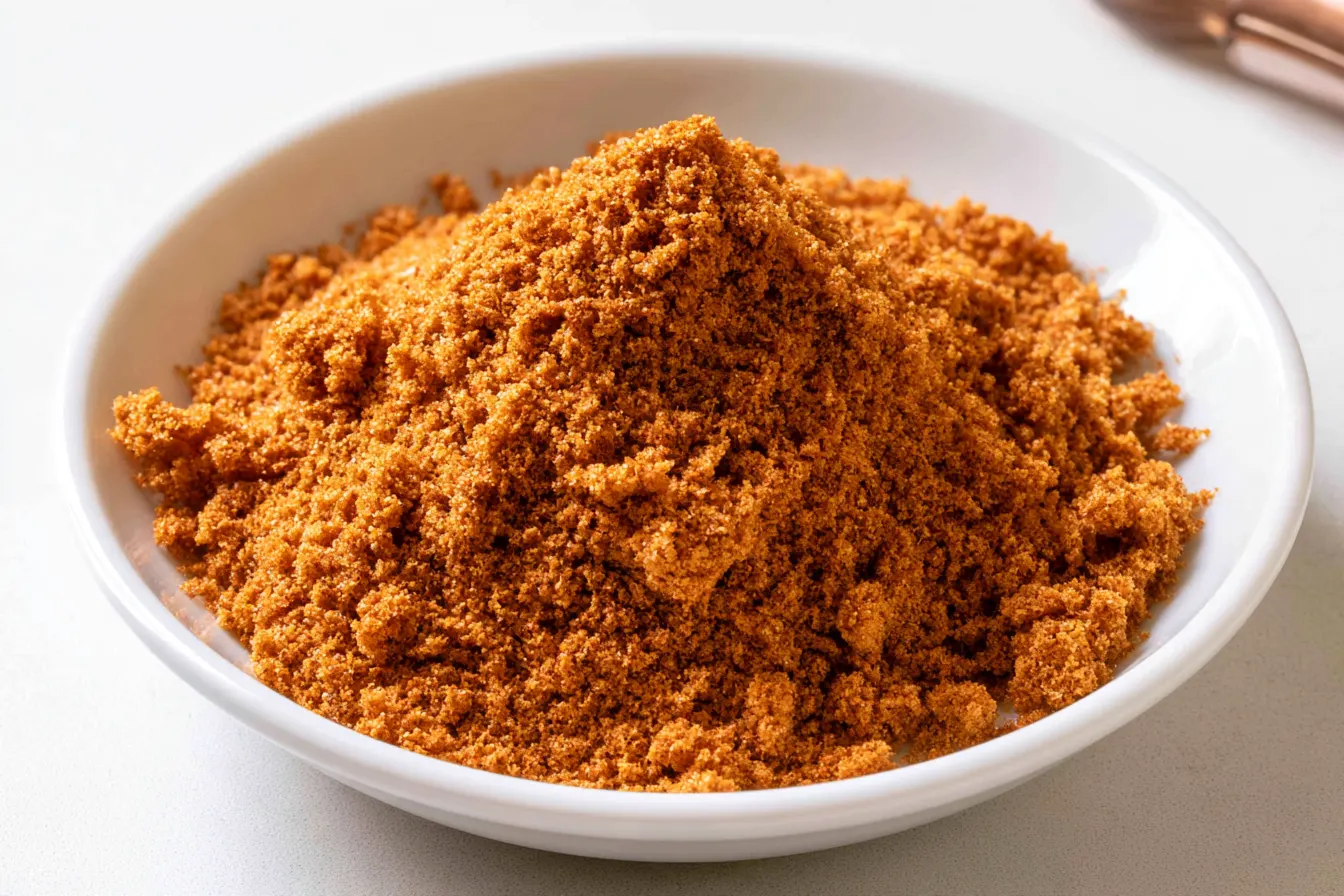
Ever found yourself halfway through a recipe, ready to sprinkle in that magic touch of mace, only to discover your spice jar is completely empty? It’s happened to the best of us! That moment of panic can quickly turn a delightful cooking adventure into a frantic search for solutions. But don’t you fret, because when it comes to finding a good mace substitute, there are actually plenty of fantastic options hiding in your pantry right now.
- Your Go-To Guide for Mace Substitutes
- Choosing the Best Mace Substitute for Your Dish
- Frequently Asked Questions About Mace and Its Substitutes
- Is mace really necessary in recipes?
- What’s the difference in taste between mace and nutmeg?
- Can I substitute whole mace blades for ground mace?
- Are there any health benefits to mace?
- My recipe calls for “mace” but doesn’t specify ground or whole. What should I assume?
- What if I’m allergic to nutmeg – can I still use mace?

What Makes Mace, Mace?
Think of mace as nutmeg’s more refined, delicate, and slightly spicier cousin. While nutmeg can be quite assertive, with a strong, warm, and somewhat sweet earthiness, mace offers a more subtle, floral, and peppery warmth. It has hints of pine and citrus, and a gentle astringency that can cut through richness without overpowering. This makes it particularly beloved in lighter dishes, delicate custards, or where you want warmth without a heavy hand. Historically, mace was considered more precious than nutmeg, often reserved for royalty and prized for its aromatic qualities. Its color, a vibrant orange-red when fresh, deepens to a warm amber as it dries, and it’s often sold ground or as “blades” – the dried pieces of the aril.Common Culinary Roles for Mace
You’ll find mace adding its unique charm to a surprisingly wide array of dishes. In savory cooking, it’s a quiet hero in: Cream sauces: Like béchamel or Mornay, where it adds a sophisticated warmth. Soups and stews: Especially those with root vegetables or cream bases. Meat dishes: Particularly in traditional British and French cuisine, often paired with lamb, pork, or in sausages and pâtés. Pickling spices and brines: Lending an aromatic complexity. On the sweeter side, mace shines in: Baked goods: Cakes, cookies, and fruit pies, often alongside other warm spices. Custards and puddings: Where its delicate floral notes can truly be appreciated. Beverages: Think mulled wine or spiced ciders, though less common than nutmeg. Understanding these flavor nuances and common uses is key to choosing the best mace substitute. We’re not just looking for “warmth”; we’re aiming for that specific blend of delicate spice, subtle sweetness, and a touch of peppery intrigue.Your Go-To Guide for Mace Substitutes
When your recipe calls for mace and you’re fresh out, don’t despair! Here’s a rundown of the best alternatives, categorized to help you pick the perfect stand-in based on your dish and what you have on hand. Remember, the goal isn’t always an exact replica, but a harmonious flavor that complements your ingredients.The Closest Kin: Nutmeg
Nutmeg is, without a doubt, your absolute best bet when you need a mace substitute. As we discussed, they come from the same plant, sharing a fundamental warmth and sweetness. However, nutmeg is more potent and slightly less subtle, with a bolder, earthier flavor and a hint of bitterness if overused.
How to Use: Start with half the amount of ground nutmeg as the mace called for. If the recipe calls for 1 teaspoon of ground mace, use 1/2 teaspoon of ground nutmeg. You can always add a tiny pinch more if you feel the dish needs it, but it’s easier to add than to take away. Best For: Almost any recipe requiring mace, both sweet and savory. It’s particularly excellent in cream sauces, custards, baked goods, and anything where you want a dominant warm spice. Flavor Profile: Warm, sweet, earthy, slightly woody.Warm & Aromatic Alternatives: The Spice Cabinet Staples
If nutmeg isn’t an option, or you’re looking for a slightly different nuance, these spices can step in beautifully.Allspice
Allspice is a fantastic contender because its name truly describes its flavor – a blend that often reminds people of cloves, nutmeg, and cinnamon. It offers a warm, sweet, and slightly peppery kick that can mimic mace’s complexity.
How to Use: Use an equal amount of ground allspice as the mace required. For mace blades, use whole allspice berries, crushing them slightly before adding. Best For: Baked goods, fruit pies, savory stews, and marinades. It works well in dishes where you want a general warm spice profile. Flavor Profile: Warm, sweet, peppery, with notes of clove and cinnamon.Cinnamon
While distinct, cinnamon shares mace’s warm, sweet, and aromatic qualities. It’s a bit bolder and sweeter, without the same peppery undertone, but it provides a comforting spice that works in many contexts.
How to Use: Use half the amount of ground cinnamon as the mace called for, then adjust to taste. Cinnamon can be more assertive, so start small. Best For: Sweet dishes like pies, cakes, cookies, and fruit compotes. It can also work in some savory applications, particularly those with a hint of sweetness (e.g., Moroccan tagines). Flavor Profile: Sweet, warm, woody, slightly pungent.Ginger
Fresh or ground ginger brings a bright, pungent, and spicy warmth that can emulate some of mace’s peppery kick, especially in savory dishes. It lacks the floral notes but adds a vibrant freshness.
How to Use: For ground mace, use half the amount of ground ginger. For mace blades, a small slice of fresh ginger root can work in liquid-based dishes. Best For: Curries, stews, marinades for meats, and some baked goods (particularly those with fruit). Flavor Profile: Pungent, spicy, warm, citrusy.Cloves
Cloves are intensely aromatic and provide a strong, warm, and somewhat sweet flavor. They are much more potent than mace, so use them sparingly to avoid overpowering your dish.
How to Use: Use a quarter to a half of the amount of ground cloves compared to mace. If using whole cloves, one or two whole cloves can substitute for a blade of mace in slow-cooked dishes. Remove whole cloves before serving. Best For: Dishes that can handle a strong, rich spice, such as slow-cooked meats, fruit pies, spiced beverages, and certain Indian or Middle Eastern dishes. Flavor Profile: Pungent, sweet, warm, slightly bitter, woody.
Blends for Complex Flavor
Sometimes, a single spice isn’t enough to capture mace’s multifaceted character. Combining a couple of spices can get you closer.Pumpkin Pie Spice (or Apple Pie Spice)
These pre-made blends often contain nutmeg, cinnamon, ginger, and sometimes allspice or cloves. They offer a ready-made warm spice profile that can stand in for mace quite effectively, especially in sweet dishes.
How to Use: Use an equal amount of pumpkin pie spice as the mace called for. Taste and adjust. Best For: Absolutely perfect for autumnal baked goods, fruit desserts, and sweet custards. Flavor Profile: A balanced blend of warm, sweet, and slightly earthy spices.Curry Powder (Mild)
For savory dishes, a mild curry powder can sometimes work, as it often contains a blend of warm spices, including coriander, cumin, turmeric, and sometimes a hint of ginger or nutmeg. Be cautious, as the flavor will be more distinctly “curry-like.”
How to Use: Start with half the amount of a mild curry powder and adjust to your taste. Best For: Savory stews, braises, and marinades where a complex, warm, and slightly earthy spice profile is desired and a curry flavor wouldn’t be unwelcome. Flavor Profile: Complex, savory, warm, earthy, sometimes a little spicy.When No Spice Will Do: The “Omit” Option
If you genuinely have none of these substitutes and mace is a minor ingredient (e.g., “a pinch of mace”), consider simply omitting it. While the dish might lose a subtle layer of complexity, it’s unlikely to be ruined. Mace often enhances rather than defines a dish’s flavor.
Tip: When experimenting with mace substitutes, always add a little less than the recipe calls for initially. Taste and adjust. Spices can be potent, and it’s much easier to add more than to try and dilute an overly spiced dish. Consider toasting whole spices lightly before grinding them for an even deeper flavor!Choosing the Best Mace Substitute for Your Dish
Selecting the right mace substitute isn’t just about what’s available; it’s about understanding the role mace plays in your specific recipe. Is it a subtle background note, or is its unique floral-peppery warmth meant to shine?For Sweet Creations (Bakes, Custards, Fruit Dishes)
In sweet applications, mace contributes warmth, a delicate sweetness, and often a subtle floral or citrusy lift. Best Choices: Nutmeg: Hands down, the top pick. Its similar profile will blend seamlessly. Allspice: A close second, especially if you want a slightly more pronounced warm spice flavor. Cinnamon: Excellent if a sweeter, bolder warmth is desired. Pumpkin Pie Spice: Ideal if the dish already leans towards an autumnal or “spiced” profile. Considerations: Avoid substitutes with strong savory notes like cumin or paprika. Ginger can work, but use it sparingly as its pungency can overwhelm delicate desserts.For Savory Adventures (Sauces, Meats, Soups)
In savory dishes, mace often provides a refined warmth, a gentle peppery kick, and an aromatic depth that enriches without dominating. Best Choices: Nutmeg: Again, the primary go-to. It complements creamy sauces, root vegetables, and meats beautifully. Allspice: A great general-purpose warm spice for savory applications, particularly in stews, brines, or sausages. Ginger (ground or fresh): Excellent for adding a bright, pungent warmth, especially in curries, marinades, or Asian-inspired dishes. Cloves (very sparingly): Can add a deep, rich warmth to slow-cooked meats or robust stews, but be careful with the quantity. Considerations: Think about the other spices in your dish. If it’s already heavily spiced with cumin and coriander, adding more curry powder might push it too far. If it’s a delicate cream sauce, stick to nutmeg or a tiny touch of allspice.A Quick Decision Flow Chart:
1. Do you have nutmeg? YES: Use nutmeg (1/2 the amount of mace). This is your best option. NO: Proceed to step 2. 2. Is your dish sweet (baked goods, custards, fruit)? YES: Try allspice (equal amount), cinnamon (1/2 amount), or pumpkin pie spice (equal amount). NO (it’s savory – sauces, meats, soups)? Proceed to step 3. 3. Is your savory dish light/creamy or robust/meaty? Light/Creamy: Try allspice (equal amount) or a tiny pinch of ginger (1/4 amount). Robust/Meaty: Allspice (equal amount), ginger (1/2 amount), or a very small amount of cloves (1/4 amount). Mild curry powder could work if the flavor profile is appropriate. By considering the specific flavor role mace plays in your recipe, you can confidently choose a substitute that maintains the integrity and deliciousness of your dish, even when your spice rack is missing a key player.
Frequently Asked Questions About Mace and Its Substitutes
Let’s address some common queries that pop up when you’re navigating the world of mace and its stand-ins.Is mace really necessary in recipes?
For many recipes, mace acts as a subtle enhancer, adding depth and a nuanced warmth rather than being the star of the show. While some traditional recipes might highlight its unique flavor, in most everyday cooking, omitting it or using a good substitute won’t drastically alter the outcome. It’s often the difference between “delicious” and “oh, that has a *certain something*.”What’s the difference in taste between mace and nutmeg?
Mace offers a more delicate, subtle, and slightly sweeter flavor with floral and peppery undertones. Nutmeg is bolder, earthier, and often more pungent, with a stronger, warmer sweetness. Think of mace as the whisper and nutmeg as the clear, resonant tone.Can I substitute whole mace blades for ground mace?
Yes, you can! One whole mace blade is roughly equivalent to 1/4 to 1/2 teaspoon of ground mace, depending on the blade’s size and your desired intensity. If your recipe calls for ground mace, you can grind whole blades in a spice grinder, mortar and pestle, or even a coffee grinder dedicated to spices. For slow-cooked dishes, you can often add whole blades and remove them before serving, just like bay leaves.Are there any health benefits to mace?
Like many spices, mace has been traditionally used in herbal medicine for various purposes. It contains compounds with antioxidant and anti-inflammatory properties. However, in the small quantities typically used in cooking, any significant health benefits are likely minimal. It’s primarily valued for its flavor and aroma.My recipe calls for “mace” but doesn’t specify ground or whole. What should I assume?
Unless specified otherwise, most modern recipes calling for “mace” typically refer to ground mace for convenience. If you have blades, you can grind them yourself or use one of the suggested substitutes. If it’s a very old or traditional recipe, it might implicitly assume whole blades, especially if it’s a long-cooking dish like a stew or broth. When in doubt, assume ground and proceed with caution if using whole.What if I’m allergic to nutmeg – can I still use mace?
Since mace and nutmeg come from the same plant, if you have an allergy to nutmeg, it is highly likely you will also be allergic to mace. It’s best to avoid both and choose one of the other non-nutmeg-related substitutes like allspice, cinnamon, or ginger. Always consult with a medical professional regarding severe allergies.
The Ultimate Mace Substitute Guide
Discover the best mace substitutes for your sweet and savory dishes, from nutmeg to allspice, ensuring your recipes always shine.
📝 Ingredients
👩🍳 Instructions
- 1To substitute mace, first identify the primary flavor role of mace in your specific recipe (e.g., delicate warmth, peppery kick, sweet aroma).
- 2For the closest flavor match, use Ground Nutmeg: Start with 1/2 the amount of ground nutmeg as the mace called for. For example, if a recipe requires 1 tsp of mace, use 1/2 tsp of nutmeg. Taste and adjust if necessary.
- 3For a warm, complex substitute, use Ground Allspice: Use an equal amount of ground allspice as the mace called for. Allspice offers notes of clove, cinnamon, and nutmeg.
- 4For a sweeter, comforting warmth, use Ground Cinnamon: Begin with 1/2 the amount of ground cinnamon, as it can be more assertive than mace. Adjust to taste.
- 5For a pungent, spicy warmth (especially in savory dishes), use Ground Ginger: Use 1/2 the amount of ground ginger. It provides a brighter, spicier kick.
- 6For an intense, rich warmth (use sparingly), use Ground Cloves: Use 1/4 to 1/2 the amount of ground cloves. Cloves are very potent, so less is more.
- 7For sweet baked goods, use Pumpkin Pie Spice: Substitute an equal amount of pumpkin pie spice for mace. This blend already contains a mix of warm spices.
- 8For savory dishes where a curry profile is acceptable, use Mild Curry Powder: Start with 1/2 the amount of mild curry powder. This will introduce a distinct curry flavor.
- 9Always start with a smaller quantity of the substitute and add more to taste, as potency can vary between spices and personal preference.
- 10If mace is a very minor ingredient (e.g., 'a pinch'), and no suitable substitute is available, consider omitting it entirely; the dish will likely still be delicious.
💡 Notes
When replacing mace, consider the other spices in your recipe to ensure a harmonious blend. For whole mace blades, approximately 1 whole blade equals 1/4 to 1/2 tsp of ground mace. Always taste your dish as you go to achieve the perfect balance of flavors.