


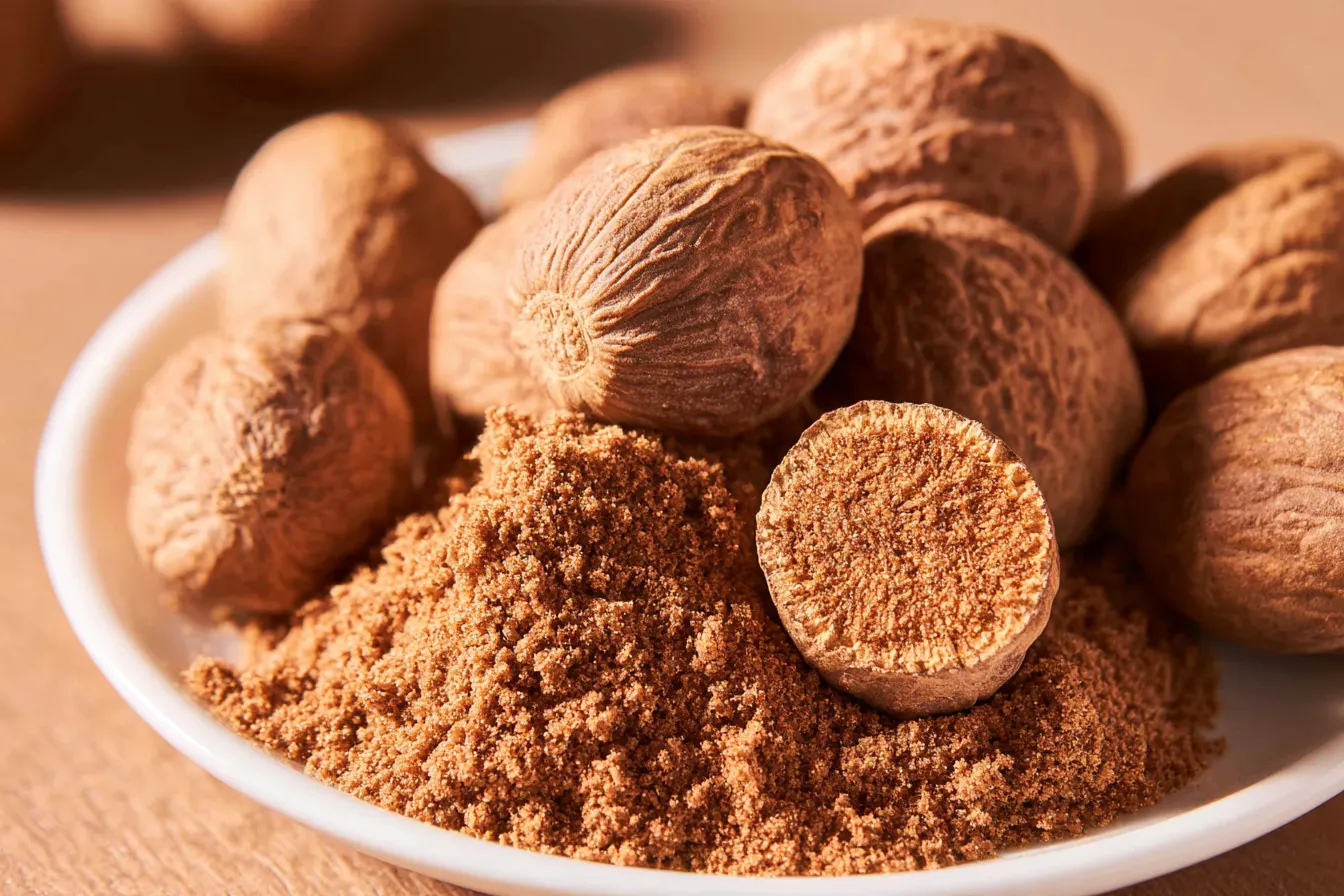
Ever been halfway through a recipe, the kitchen smelling of warm spices and anticipation, only to realize your nutmeg shaker is completely, utterly empty? It’s a classic kitchen conundrum, isn’t it? That distinct, warm, slightly sweet, and woody aroma of nutmeg is hard to replicate, but don’t despair! Finding a good nutmeg substitute is easier than you think, and often, you already have the perfect stand-in lurking in your spice rack.
- Why Nutmeg is So Special (And Hard to Replace)
- Your Go-To Nutmeg Alternatives
- Choosing the Right Substitute for Your Recipe
- Tips for Substituting Spices Like a Pro
- Frequently Asked Questions About Nutmeg Substitutes
- Can I just omit nutmeg if I don’t have a substitute?
- Is there a difference between whole nutmeg and ground nutmeg when substituting?
- Can I use a blend of spices to create a nutmeg-like flavor?
- What if I’m allergic to nutmeg? What’s the best alternative then?
- How long do ground spices last, and does it affect their substitution power?
- The Takeaway: Don’t Let a Missing Spice Stop You!

Why Nutmeg is So Special (And Hard to Replace)
Before we dive into the swaps, let’s take a quick moment to appreciate what makes nutmeg, well, nutmeg. It’s not just a one-note spice. It brings a complex blend of flavors: a hint of sweetness, a touch of peppery warmth, and a deep, earthy woodiness. This unique profile is why it shines in everything from savory cream sauces and roasted vegetables to sweet custards, pies, and spiced drinks. Its versatility is truly remarkable. Think about it: a pinch in your morning coffee, a generous grating over mashed potatoes, or a key player in a holiday fruitcake. It’s a spice that bridges the gap between sweet and savory with effortless grace.Your Go-To Nutmeg Alternatives
When you’re in a pinch, the best nutmeg substitute often depends on what you’re making and what other spices you have on hand. Here are my top picks, broken down by their best uses.Ground Mace: The Closest Cousin
If you happen to have ground mace in your pantry, consider yourself lucky! Mace is actually the outer lacy covering of the nutmeg seed. It has a very similar flavor profile to nutmeg, but it’s often described as slightly more delicate, floral, and a bit spicier. How to Use It: You can use mace as a direct 1:1 substitute for nutmeg in almost any recipe. It’s particularly excellent in baked goods, custards, and light sauces where you want that familiar warmth without overpowering other flavors. Flavor Profile: Warm, slightly sweet, peppery, with subtle floral notes.Cinnamon: The Universal Spice Rack Hero
Ah, cinnamon. Is there anything it can’t do? While not an exact match, cinnamon shares that warm, sweet, and slightly woody characteristic that makes nutmeg so beloved. It’s probably the most common spice people have on hand, making it a super convenient swap. How to Use It: Start with half the amount of cinnamon that the recipe calls for nutmeg, then taste and adjust. Cinnamon can be more potent and has a distinct flavor that might dominate if used in equal measure. It’s fantastic in sweet dishes like apple pie, oatmeal, and spiced muffins. It also works surprisingly well in savory dishes that call for a touch of warmth, like stews or curries. Flavor Profile: Sweet, woody, warm, with a slightly spicy kick.Allspice: A Spice Rack Powerhouse
Allspice gets its name because it tastes like a combination of several spices: cloves, cinnamon, and nutmeg. It’s a fantastic all-rounder and a very reliable nutmeg substitute, especially in recipes where nutmeg isn’t the *sole* star. How to Use It: Use allspice in a 1:1 ratio for nutmeg, but be mindful of its stronger, more complex flavor. It’s brilliant in pumpkin pie, gingerbread, spiced cookies, and even savory marinades for meats. Flavor Profile: Warm, sweet, peppery, with notes of clove and cinnamon.
Ginger: For a Zesty Warmth
Ground ginger offers a different kind of warmth – it’s spicier and has a more pronounced zing than nutmeg. While it won’t replicate the exact sweetness or woodiness, it can provide a lovely, vibrant warmth that works well in many contexts. How to Use It: Use about half the amount of ginger as you would nutmeg, especially if you’re sensitive to its heat. It’s excellent in gingerbread, carrot cake, fruit crumbles, and even some savory Asian-inspired dishes. Flavor Profile: Pungent, spicy, warm, with citrusy undertones.Pumpkin Pie Spice: The Blend That Has It All
This one is almost cheating, but it’s incredibly effective! Pumpkin pie spice is typically a blend of cinnamon, ginger, nutmeg, and cloves. So, if you have this on hand, you’re essentially adding nutmeg back into your dish, along with its best friends. How to Use It: Use pumpkin pie spice in a 1:1 ratio for nutmeg. It’s perfect for anything autumnal – pies, lattes, muffins, and even roasted sweet potatoes. Flavor Profile: A harmonious blend of warm, sweet, and spicy notes.Cloves: Use with Caution
Ground cloves have a very strong, pungent, and sweet-spicy flavor. While they share some aromatic qualities with nutmeg, they can easily overpower a dish if used too liberally. How to Use It: Use cloves sparingly – start with a quarter of the amount of nutmeg called for, and taste. It’s best in recipes that can handle a bold spice, like spiced ham, mulled wine, or very rich fruitcakes. Flavor Profile: Intense, sweet, pungent, and warm.Choosing the Right Substitute for Your Recipe
The best nutmeg substitute really depends on the dish you’re preparing. Here’s a quick guide to help you decide:For Sweet Baked Goods (Pies, Cakes, Cookies, Muffins)
Best Bets: Ground Mace (1:1), Allspice (1:1), Cinnamon (start with 1/2, adjust), Pumpkin Pie Spice (1:1). Why: These spices offer the warmth and sweetness that nutmeg contributes to desserts. Mace is the closest in flavor, while cinnamon and allspice provide a familiar, comforting profile.For Creamy Sauces (Béchamel, Alfredo, Custards)
Best Bets: Ground Mace (1:1), a tiny pinch of Allspice (start with 1/4, adjust). Why: In delicate sauces, you want a subtle warmth that doesn’t dominate. Mace is perfect. Allspice can work, but use it very sparingly to avoid a “dessert” flavor in savory dishes.For Savory Dishes (Roasted Vegetables, Stews, Soups)
Best Bets: Allspice (1:1), a touch of Cinnamon (start with 1/2, adjust), a pinch of Ginger (start with 1/4, adjust). Why: These spices can add depth and warmth without making the dish taste like a dessert. Allspice is particularly good for a well-rounded savory warmth.For Drinks (Eggnog, Lattes, Mulled Wine)
Best Bets: Allspice (1:1), Cinnamon (1:1), Pumpkin Pie Spice (1:1). Why: These spices are classic companions in warm beverages, providing that cozy, inviting aroma and flavor.
Tips for Substituting Spices Like a Pro
Swapping spices isn’t an exact science, but a little intuition goes a long way.Start Small, Taste, and Adjust
This is the golden rule of spice substitution. It’s always easier to add more spice than to take it away. Begin with half or even a quarter of the amount the recipe calls for, especially with stronger spices like cloves or ginger.Consider the Overall Flavor Profile
Think about what other flavors are present in your dish. If it’s already heavily spiced with cinnamon, adding more cinnamon as a nutmeg substitute might make it one-note. In such cases, allspice or mace might offer a more balanced complexity.Freshly Grated vs. Ground
If you’re lucky enough to have whole nutmegs, you know the flavor of freshly grated nutmeg is unparalleled – it’s more aromatic and vibrant. If you’re substituting, remember that pre-ground spices can lose potency over time. If your ground spices have been sitting in the cupboard for ages, you might need a little extra to get the desired effect.Don’t Be Afraid to Mix and Match
Sometimes, the best nutmeg substitute isn’t a single spice, but a tiny blend. For example, a pinch of cinnamon with an even smaller pinch of cloves can sometimes mimic nutmeg’s complexity quite well. Experimentation is part of the fun!Frequently Asked Questions About Nutmeg Substitutes
Got more questions about swapping out this beloved spice? I’ve got answers!Can I just omit nutmeg if I don’t have a substitute?
You can, but your dish might lack a certain depth and warmth. In some recipes, like béchamel sauce or eggnog, nutmeg plays a crucial role in the overall flavor profile. In others, like a simple apple pie where cinnamon is dominant, omitting it might be less noticeable. It really depends on how central nutmeg is to the recipe.Is there a difference between whole nutmeg and ground nutmeg when substituting?
Yes, absolutely! Whole nutmeg, freshly grated, has a much more potent, vibrant, and complex flavor than pre-ground nutmeg. If a recipe calls for freshly grated nutmeg, and you’re using a ground substitute, you might need to use slightly more of the substitute to achieve a similar intensity, or accept a slightly different (but still delicious) flavor.Can I use a blend of spices to create a nutmeg-like flavor?
Yes, this is a fantastic approach! A common homemade blend to mimic nutmeg’s warmth is a small amount of cinnamon mixed with an even smaller amount of ground cloves and a tiny pinch of allspice. Play around with the ratios until you find a balance you like.What if I’m allergic to nutmeg? What’s the best alternative then?
If you have an allergy, it’s best to avoid mace as well, since it comes from the same plant. Cinnamon, ginger, and allspice are generally safe bets. Pumpkin pie spice is usually fine, but always check the ingredient list to ensure it doesn’t contain nutmeg. Focus on spices that provide warmth and sweetness without crossing into the nutmeg family.How long do ground spices last, and does it affect their substitution power?
Ground spices generally last about 2-3 years, but they start losing their potency much sooner, often after 6-12 months. If your spices are old, they’ll have a weaker flavor, meaning you’ll need to use more of them when substituting to get the desired impact. Fresh spices always yield the best results!The Takeaway: Don’t Let a Missing Spice Stop You!
Running out of nutmeg doesn’t have to derail your cooking or baking plans. With a little creativity and a well-stocked spice rack, you can easily find a fantastic nutmeg substitute that will keep your dishes tasting delicious and full of warmth. So next time you reach for that empty jar, remember this guide, grab a different spice, and keep on cooking!
Spiced Apple Crumble with Nutmeg Alternatives
A comforting apple crumble recipe that shines even without nutmeg, using common spice substitutes.
📝 Ingredients
👩🍳 Instructions
- 1Preheat your oven to 375°F (190°C). Lightly grease an 8x8 inch baking dish.
- 2Prepare the apple filling: In a large bowl, combine the sliced apples, granulated sugar, 2 tablespoons brown sugar, lemon juice, 1 teaspoon cinnamon (or your chosen nutmeg substitute), and mace (if using). Toss gently to coat the apples evenly. Pour the apple mixture into the prepared baking dish.
- 3Make the crumble topping: In a separate medium bowl, whisk together the flour, rolled oats, 1/2 cup brown sugar, 1/2 teaspoon cinnamon, and salt.
- 4Add the cold, cubed butter to the dry ingredients. Using your fingertips, a pastry blender, or a fork, cut the butter into the flour mixture until it resembles coarse crumbs with some pea-sized pieces remaining. Don't overmix; a little texture is good!
- 5Evenly sprinkle the crumble topping over the apple mixture in the baking dish.
- 6Bake for 40-45 minutes, or until the topping is golden brown and the apple filling is bubbly and tender when pierced with a fork. If the topping starts to brown too quickly, you can loosely tent it with aluminum foil.
- 7Let the crumble cool for at least 15 minutes before serving. This allows the filling to set slightly. Serve warm with a scoop of vanilla ice cream or a dollop of whipped cream.
💡 Notes
For the nutmeg substitute in the apple filling, you can use 1 tsp allspice, 1/2 tsp ground ginger, or 1 tsp pumpkin pie spice. Adjust to your taste. This crumble is best served warm on the day it's made, but leftovers can be stored in an airtight container in the refrigerator for up to 3 days and reheated gently in the oven or microwave.