


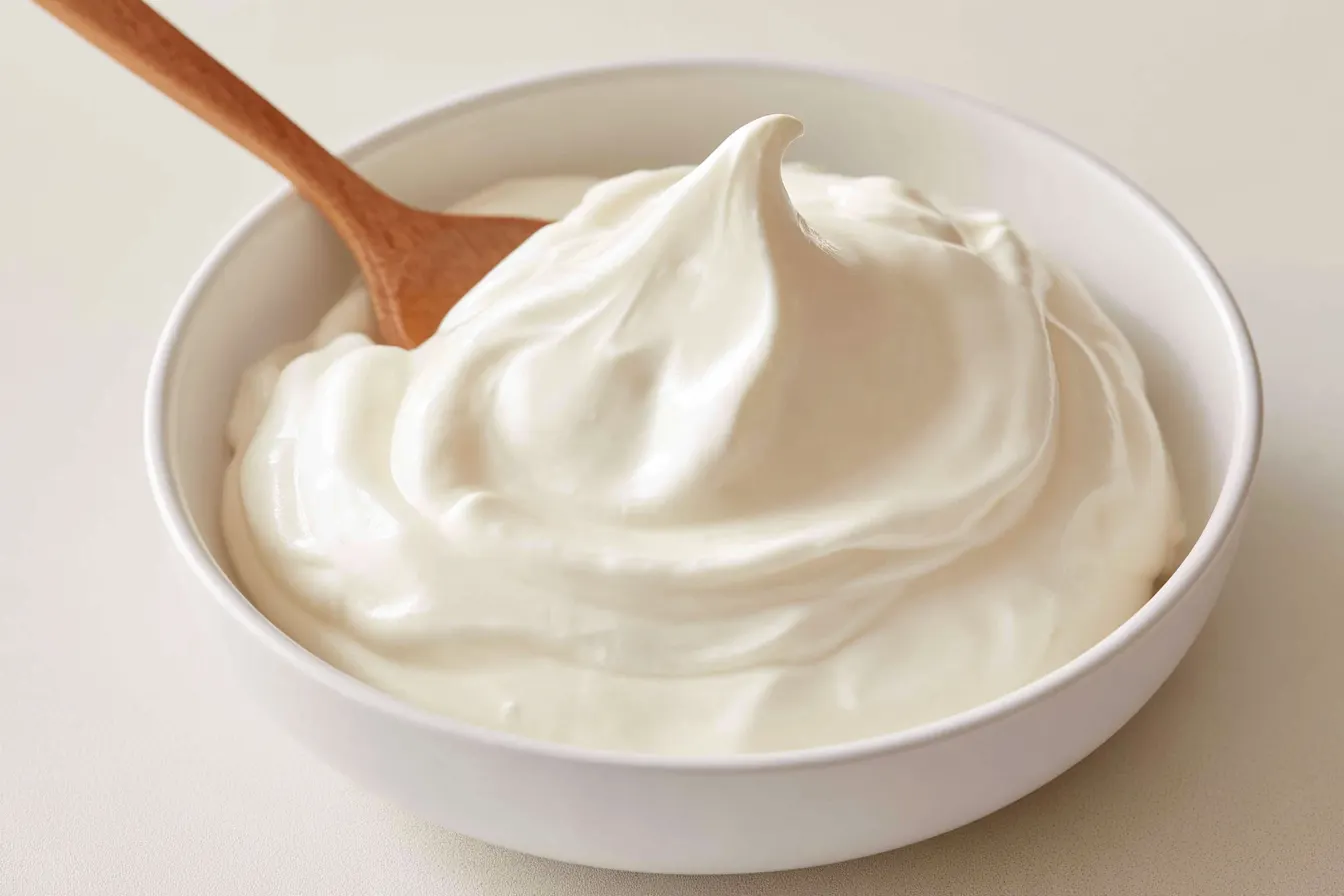
Ever been halfway through a recipe, feeling like a culinary wizard, only to realize your crème fraîche container is stubbornly empty? It’s a moment that can send even the most seasoned home cook into a minor panic. That distinct tang and velvety richness are hard to replicate, right? Well, today, we’re tackling that very predicament head-on, because running out of a single ingredient shouldn’t derail your entire dinner plan, especially when it comes to finding a reliable crème fraîche substitute.
- Why Bother with a Crème Fraîche Substitute?
- The Creamy Contenders: Top Crème Fraîche Alternatives
- When to Use Which Substitute: A Quick Guide
- Crafting Your Own Dairy Delights: A Simple Crème Fraîche Recipe
- Frequently Asked Questions About Crème Fraîche & Its Substitutes
- The Versatility of Crème Fraîche (and its clever stand-ins!)

Why Bother with a Crème Fraîche Substitute?
It’s a fair question! If crème fraîche is so great, why look for alternatives? The truth is, sometimes it’s about accessibility. Not every grocery store stocks it, especially outside of larger urban centers. Other times, it’s about cost; crème fraîche can be a bit pricier than its dairy cousins. And occasionally, you simply run out mid-recipe, and a quick fix is exactly what you need without having to run back to the store. Another factor could be dietary preferences. Perhaps you’re looking for a lower-fat option, or maybe you’re trying to avoid certain additives. Understanding what makes crème fraîche unique — its fat content, its culturing process, and its mild tang — helps us pinpoint the best alternatives that mimic these qualities. We’re not just looking for a white, creamy dairy product; we’re seeking that specific balance of flavor and texture.The Creamy Contenders: Top Crème Fraîche Alternatives
Let’s dive into the stars of our show – the best possible stand-ins when crème fraîche is out of reach. Each has its own strengths and ideal uses, so you can pick the perfect match for your culinary adventure.Sour Cream: The Obvious & Accessible Choice
Ah, sour cream. It’s probably the first thing that comes to mind for many, and for good reason! Sour cream shares a similar tangy profile with crème fraîche, thanks to its lactic acid culture. It’s widely available and usually more budget-friendly. However, there’s a crucial difference: fat content. Sour cream typically has around 18-20% fat, while crème fraîche boasts a much higher 30-45%. This lower fat content means sour cream is more prone to curdling when heated vigorously. If you’re using it in a hot sauce or soup, it’s best to stir it in off the heat, or temper it first by whisking in a little of the hot liquid before adding it to the main pot. For cold applications like dips or toppings, it’s an excellent 1:1 substitute.Cream Cheese: For a Richer, Thicker Swap
When you need serious body and a lovely, subtle tang, cream cheese can step up. It’s much thicker than crème fraîche, so it’s not a direct textural replacement, but its richness is undeniable. For savory sauces that need thickening, or in baked goods where you want that creamy mouthfeel, cream cheese works beautifully. To use cream cheese as a crème fraîche substitute, you’ll often want to thin it out a bit. Whisking it with a tablespoon or two of milk or cream can help achieve a smoother consistency closer to what you’re aiming for. It brings a similar mild tang, though it leans more towards a dairy-sweet creaminess than the nutty notes of crème fraîche.Full-Fat Plain Greek Yogurt: The Tangy & Healthier Pick
For those seeking a tang with a bit less fat, full-fat plain Greek yogurt is a fantastic option. It’s thick, rich, and boasts a pronounced tang that can mimic crème fraîche quite well. The protein content is also higher, making it a more substantial addition to your dish. Like sour cream, Greek yogurt can be susceptible to curdling under high heat. Again, the key is to incorporate it gently, preferably off the heat, or temper it first. It shines in cold applications, marinades, or as a dollop on top of chili or baked potatoes. In baking, it can add moisture and a lovely subtle sour note.
Heavy Cream + Lemon Juice (or Buttermilk): Your DIY Crème Fraîche
This is perhaps the closest you can get to homemade crème fraîche in a pinch! Crème fraîche is essentially cultured heavy cream. By adding a touch of acid to heavy cream and letting it sit, you kickstart a similar culturing process. Here’s how to make your own DIY crème fraîche substitute: 1. Combine: For every 1 cup of heavy cream (at least 36% milk fat), stir in 1 tablespoon of buttermilk or 1 teaspoon of lemon juice (freshly squeezed is best). 2. Cover & Wait: Cover the mixture loosely with plastic wrap or cheesecloth and let it sit at room temperature (around 70°F/21°C) for 8-24 hours. The longer it sits, the thicker and tangier it will become. 3. Chill: Once it reaches your desired consistency, stir it well and refrigerate. It will continue to thicken slightly as it chills. This homemade version will behave almost identically to store-bought crème fraîche in cooking, making it incredibly versatile.Mascarpone Cheese: The Luxurious Alternative
If you’re looking for sheer decadence and richness, mascarpone cheese is your answer. This Italian cream cheese is incredibly rich and buttery, with a subtly sweet flavor profile. It has a very high fat content, often around 60-75%, making it incredibly stable under heat. Mascarpone doesn’t have the same tangy bite as crème fraîche, so it’s best suited for dishes where richness is prioritized over tartness. Think creamy pasta sauces, risottos, or desserts where you want a smooth, velvety texture. If you need a hint of tang, you can always whisk in a tiny squeeze of lemon juice.When to Use Which Substitute: A Quick Guide
Choosing the right crème fraîche substitute depends entirely on what you’re making and what qualities you need to replace. For Hot Sauces & Soups (heat stability is key): Your homemade heavy cream + lemon/buttermilk mixture is the absolute best. Mascarpone is also excellent. Full-fat sour cream or Greek yogurt can work if added carefully at the end or tempered. For Cold Dips & Dressings: Sour cream, Greek yogurt, or even cream cheese (thinned slightly) are all fantastic. For Baking & Desserts: Homemade crème fraîche, mascarpone, or sour cream (especially in cakes or muffins) are great choices. Cream cheese is excellent for cheesecakes or frostings. For a Dollop on Savory Dishes (e.g., chili, baked potatoes): Sour cream or Greek yogurt are classic and perfect.
Crafting Your Own Dairy Delights: A Simple Crème Fraîche Recipe
While substitutes are handy, sometimes you just want the real deal. Making crème fraîche at home is surprisingly simple and requires minimal effort. It’s a wonderful way to ensure you always have some on hand for those spontaneous culinary urges.Ingredients You’ll Need
1 cup (240ml) heavy cream (at least 36% milk fat, ultra-pasteurized works but takes longer) 1 tablespoon buttermilk or 1 tablespoon plain full-fat yogurt (with live active cultures)The Method
- Combine: In a clean glass jar or bowl, combine the heavy cream and buttermilk (or yogurt). Stir gently until just combined.
- Cover & Rest: Cover the jar loosely with plastic wrap, cheesecloth, or a clean kitchen towel. You want air to circulate, but you also want to keep out any dust or unwanted elements.
- Culture: Let the mixture sit at room temperature (ideally between 68-72°F / 20-22°C) for 12 to 24 hours. The time will vary depending on your ambient temperature and the freshness of your cultures. You’ll notice it gradually thickening and developing a subtle tangy aroma.
- Check Consistency: After 12 hours, give it a gentle stir. If it’s still too thin, let it sit for a few more hours, checking periodically. It should be thick enough to coat the back of a spoon and have a distinct, yet mild, sour scent.
- Chill: Once it reaches your desired consistency, give it a final stir, cover it tightly, and refrigerate. It will continue to thicken slightly in the fridge.
Note: Homemade crème fraîche will last in the refrigerator for about 1-2 weeks. Always give it a sniff test before using; it should smell pleasantly tangy, not sour or off.
Frequently Asked Questions About Crème Fraîche & Its Substitutes
Let’s clear up some common curiosities about this wonderful dairy product and its stand-ins.What’s the difference between crème fraîche and sour cream?
The main differences lie in fat content and how they’re cultured. Crème fraîche has a higher fat content (30-45%) compared to sour cream (18-20%). This higher fat makes crème fraîche more stable for cooking at high temperatures, as it’s less likely to curdle. Crème fraîche also typically has a milder, nuttier tang, while sour cream is usually more assertively tart.Can I use low-fat dairy for these substitutes?
While you *can* use low-fat versions, the results won’t be as rich or as stable as using full-fat options. The higher fat content is what gives crème fraîche its luxurious texture and its ability to withstand heat without curdling. If you use low-fat sour cream or yogurt, be extra cautious with heat and expect a thinner consistency.Is crème fraîche lactose-free?
No, crème fraîche is not lactose-free. Like many dairy products, it contains lactose. However, the culturing process does break down some of the lactose, so some individuals with mild lactose intolerance might find it easier to digest than regular cream. For a truly lactose-free option, you’d need to look for specific lactose-free dairy alternatives or non-dairy substitutes.Can I freeze crème fraîche or its substitutes?
Generally, dairy products like crème fraîche, sour cream, and yogurt don’t freeze particularly well. The freezing and thawing process can alter their texture, making them grainy or watery. While they might still be usable in cooked dishes where texture isn’t paramount, they won’t have the same smooth consistency for dolloping or in cold applications. Mascarpone might fare a bit better, but still expect some textural changes.What if I don’t have buttermilk for the DIY version?
No buttermilk? No problem! You can easily make a buttermilk substitute at home. For every 1 cup of milk, stir in 1 tablespoon of lemon juice or white vinegar. Let it sit for 5-10 minutes until it slightly curdles. This acidulated milk can then be used in place of buttermilk to culture your heavy cream. Just make sure the milk you use for this is also full-fat for the best results in your homemade crème fraîche.The Versatility of Crème Fraîche (and its clever stand-ins!)
What I truly adore about crème fraîche is its chameleon-like ability to fit into almost any meal. A spoonful whisked into a creamy tomato soup adds an incredible depth. A dollop on a fresh fruit tart brings a sophisticated counterpoint to the sweetness. It’s equally at home enriching a decadent pasta sauce as it is cooling down a spicy curry. And the beauty of knowing these substitutes? It means you’re never truly stuck. That dinner party you’re planning, the spontaneous weeknight treat, or that complex French recipe you’ve been dying to try – none of it has to be put on hold because of one missing ingredient. With a little creativity and these handy swaps, your kitchen adventures can continue, uninterrupted and delicious. So go forth, experiment, and enjoy the creamy, tangy goodness!
Homemade Crème Fraîche
Craft your own velvety crème fraîche at home with just two ingredients for a perfect culinary staple.
📝 Ingredients
👩🍳 Instructions
- 1In a clean glass jar or bowl, combine the heavy cream and buttermilk (or yogurt). Stir gently until just combined. Ensure your heavy cream is at room temperature for best results.
- 2Cover the jar loosely with plastic wrap, cheesecloth, or a clean kitchen towel. This allows air to circulate while keeping out contaminants.
- 3Let the mixture sit at room temperature (ideally between 68-72°F / 20-22°C) for 12 to 24 hours. The exact time will depend on your ambient temperature and the strength of your cultures. You will notice it gradually thickening and developing a subtle tangy aroma.
- 4After 12 hours, give it a gentle stir. If it's still too thin, let it sit for a few more hours, checking periodically. It should be thick enough to coat the back of a spoon and have a distinct, yet mild, sour scent.
- 5Once it reaches your desired consistency, give it a final stir, cover it tightly, and refrigerate. It will continue to thicken slightly as it chills.
💡 Notes
Homemade crème fraîche will last in the refrigerator for about 1-2 weeks. Always give it a sniff test before using; it should smell pleasantly tangy, not sour or off. For a thicker result, ensure your heavy cream is very cold before culturing, though room temperature cream cultures faster.