


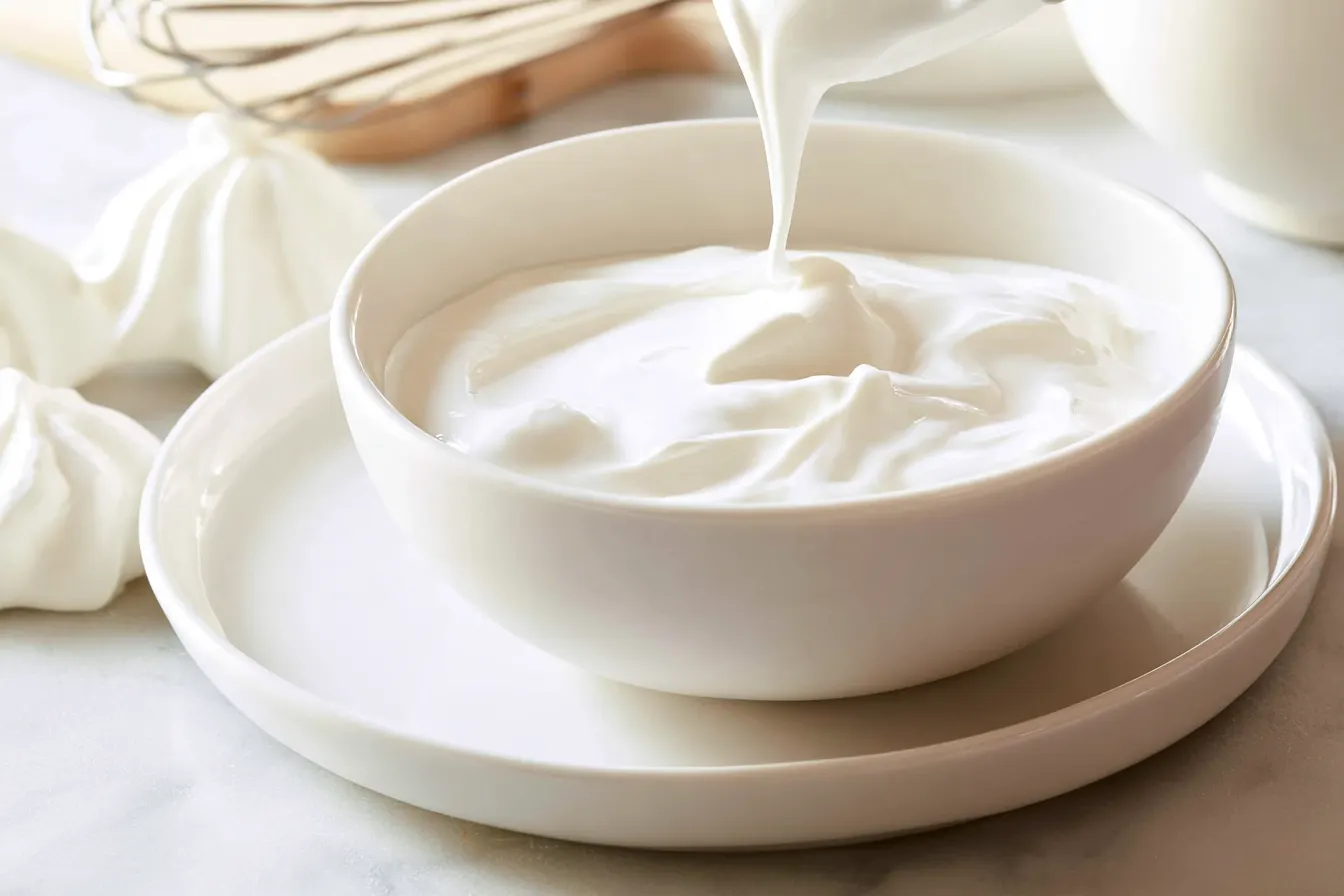
Ever been halfway through a recipe, feeling like a culinary wizard, only to realize your fridge is playing a cruel trick? That moment when the recipe calls for heavy cream, and all you have is… well, not heavy cream. Panic sets in, the dish hangs in the balance. Been there, done that, and honestly, it’s how some of the best kitchen improvisations are born. Today, we’re tackling that exact conundrum: what to do when you need the best heavy cream substitute, stat.
- Why You Might Need a Substitute
- The Best Heavy Cream Substitutes for Every Occasion
- Milk + Butter: The Classic Quick Fix
- Milk + Cornstarch: For a Thicker, Creamy Texture
- Half-and-Half + Butter: A Step Up from Milk
- Evaporated Milk: The Canned Cream Hack
- Coconut Cream: The Dairy-Free Dream
- Cashew Cream: A Neutral Nutty Alternative
- Cottage Cheese or Ricotta Cheese (Blended): A High-Protein Option
- Putting Your Substitute to the Test: Tips for Success
- Frequently Asked Questions About Heavy Cream Substitutes
- Embrace the Swap!
It’s a surprisingly common predicament, whether you ran out, forgot to buy it, or are simply looking for a lighter, dairy-free, or vegan alternative. The good news is, you’ve got options. And not just any options, but clever stand-ins that can mimic the rich texture and creamy mouthfeel heavy cream brings to the table, without missing a beat.
Forget scrambling to the store or abandoning your cooking adventure. We’re going to explore some fantastic hacks that will save your dinner (or dessert!) and might just become your new go-to solutions. Get ready to swap, stir, and conquer that recipe like the kitchen boss you are.

Heavy cream, that luscious, high-fat dairy product, is a staple in so many beloved recipes, from velvety sauces and creamy soups to decadent desserts and, of course, fluffy whipped toppings. Its magic lies in its high milk fat content (typically 36-40%), which gives it incredible body, richness, and stability. But what happens when that star ingredient is missing from your lineup? Don’t fret; we’ve got a whole pantry of solutions ready to step in.
Finding the right heavy cream substitute isn’t just about having something to add liquid; it’s about replicating that specific texture and richness. The best swap depends on what you’re making. Are you needing something for a savory sauce? A fluffy dessert? Or just a little richness in your coffee? Each scenario might call for a slightly different approach, and we’ll cover all the bases.
Why You Might Need a Substitute
Beyond simply running out, there are several excellent reasons to seek out an alternative for heavy cream. Maybe you’re aiming to reduce dairy intake, cut down on saturated fats, or cater to a vegan diet. Perhaps you’re looking for a lighter option for an everyday meal, or maybe you’re just curious about what else works. Whatever your motivation, embracing substitutes can open up a whole new world of culinary possibilities, making your kitchen more versatile and inclusive.
Understanding the role heavy cream plays in a recipe is key to choosing the right stand-in. Is it for thickening? For richness? For aeration (like whipped cream)? Once you identify its primary function, you can select the best candidate from our list of heavy cream substitutes.
The Best Heavy Cream Substitutes for Every Occasion
Let’s dive into the ingenious ways you can replace heavy cream in your cooking and baking. We’ll break down the best options, how to prepare them, and when to use them for optimal results.
Milk + Butter: The Classic Quick Fix
This is probably the most common and easiest heavy cream substitute, especially if you’re in a pinch and have both milk and butter on hand. It works wonders for adding richness to savory dishes like soups, casseroles, and sauces. It won’t whip up like actual heavy cream, but it provides a very similar fat content and creamy texture when cooked.
How to Make It:
For every 1 cup of heavy cream needed, combine 2/3 cup of whole milk (or 2% milk) with 1/3 cup of melted unsalted butter. Whisk them together vigorously until well combined. The fat from the butter emulsifies with the milk, creating a richer liquid that mimics heavy cream’s body.
When to Use It:
Perfect for creamy pasta sauces, gravies, casseroles, and soups. Avoid using it for recipes that require whipping, as it simply won’t hold its structure. It’s a fantastic dairy-based option when you need that classic creamy taste and texture.

Milk + Cornstarch: For a Thicker, Creamy Texture
If you’re looking to thicken a sauce or soup and don’t necessarily need the high-fat content or the ability to whip, this combination is your friend. Cornstarch is a powerful thickening agent that can give a lighter milk a luxurious, heavy cream-like consistency.
How to Make It:
For every 1 cup of heavy cream, use 1 cup of whole milk (or any milk you have) combined with 2 tablespoons of cornstarch. Whisk the cornstarch into a small amount of cold milk first to create a slurry, then add it to the remaining milk. Heat gently, stirring constantly, until it thickens to your desired consistency. This method prevents lumps and ensures a smooth finish.
When to Use It:
Ideal for thickening gravies, cream-based soups, and light sauces where you want a richer mouthfeel without adding a ton of extra fat. It’s also great for creating a creamy texture in stovetop mac and cheese or vegetable purees. It won’t work for whipping, but it’s excellent for cooked applications.
Half-and-Half + Butter: A Step Up from Milk
Half-and-half already has a higher fat content than regular milk (around 10-12%), making it a closer cousin to heavy cream. By adding a bit of butter, you can boost that fat content even further, bringing it closer to the richness of heavy cream.
How to Make It:
For every 1 cup of heavy cream, combine 7/8 cup of half-and-half with 1 tablespoon of melted unsalted butter. Whisk thoroughly until fully incorporated. This blend offers a richer alternative than just milk and butter, with a slightly smoother initial texture.
When to Use It:
Use this substitute in dishes where you need a good amount of richness but aren’t relying on the cream to be whipped. It’s particularly good in quiches, custards, and baked goods, as well as in lighter sauces that still need that creamy element. It’s a great intermediate option when you want to bridge the gap between milk and full-fat cream.
Evaporated Milk: The Canned Cream Hack
Evaporated milk is a dairy product where about 60% of the water has been removed, resulting in a thicker, slightly caramelized-tasting liquid. While it’s not as rich as heavy cream, its concentrated nature makes it a fantastic stand-in for many recipes, especially those that are cooked.
How to Use It:
Use evaporated milk straight from the can as a 1:1 substitute for heavy cream in most cooked applications. If you want to boost its richness even further, you can add a small pat of butter (about 1 teaspoon per cup) to mimic the fat content a bit more closely. It’s naturally thicker than regular milk, so it lends a nice body to dishes without needing additional thickeners.
When to Use It:
This is excellent in savory dishes like creamy chicken, tuna casseroles, and gravies. It also works well in baked goods that call for cream. You can even whip chilled evaporated milk (though it won’t hold its peaks quite as firmly or for as long as heavy cream) for a lighter whipped topping. Just make sure it’s very cold, and preferably use an evaporated milk with a higher fat percentage if available.
Coconut Cream: The Dairy-Free Dream
For those looking for a plant-based, dairy-free, or vegan heavy cream substitute, coconut cream is an absolute revelation. It has a high-fat content and a wonderfully rich, thick texture that can mimic heavy cream almost perfectly in many applications. It does have a distinct coconut flavor, which can be a bonus in some dishes (like curries or desserts) and something to consider in others.
How to Make It:
The trick is to use full-fat coconut milk (the canned kind, not the carton beverage). Chill the can in the refrigerator overnight. When you open it, the thick, solid cream will have separated and risen to the top. Scoop out only this thick cream, leaving the watery liquid behind. This concentrated coconut cream is your heavy cream substitute.
When to Use It:
This is a versatile substitute. It’s fantastic for thickening curries and soups, and it makes an incredible dairy-free whipped cream when chilled and whipped until fluffy. It works beautifully in vegan desserts, creamy fruit tarts, and even some savory dishes where a hint of coconut complements the flavors. It’s a game-changer for plant-based cooking!
Cashew Cream: A Neutral Nutty Alternative
Another excellent dairy-free option, cashew cream offers a neutral flavor profile compared to coconut cream, making it super versatile. It provides a luxurious, silky texture that can rival heavy cream in many recipes, especially sauces and dips.
How to Make It:
Soak 1 cup of raw cashews in hot water for at least 30 minutes (or cold water for 2-4 hours). Drain and rinse the cashews. Blend them with 1/2 to 3/4 cup of fresh water (or plant-based milk for extra richness) in a high-speed blender until perfectly smooth and creamy. You might need to scrape down the sides a few times. The less water you use, the thicker the cream will be.
When to Use It:
Cashew cream is ideal for making creamy vegan pasta sauces, rich dips, salad dressings, and even some desserts where a neutral creamy base is desired. It’s not typically used for whipping, but its smooth consistency makes it a fantastic thickener and enriching agent for both savory and sweet dishes. The key is to get it super smooth, so a good blender is essential.
Cottage Cheese or Ricotta Cheese (Blended): A High-Protein Option
For those looking for a high-protein, lower-fat option that still delivers on creaminess, blended cottage cheese or ricotta can be surprisingly effective. These cheeses are naturally soft and blend into a surprisingly smooth, rich texture.
How to Make It:
Take 1 cup of cottage cheese or ricotta cheese and blend it in a food processor or blender until completely smooth. If it’s too thick, add a tablespoon or two of milk (dairy or plant-based) to reach your desired consistency. You’ll be amazed at how creamy it becomes!
When to Use It:
This substitute is best for savory applications like creamy casseroles, lasagna fillings, and even some dips where a slightly tangy, rich flavor is welcome. It’s not suitable for whipping or for delicate desserts, but it provides excellent body and protein to cooked dishes. It’s a smart choice for adding creaminess with less fat and more protein.

Putting Your Substitute to the Test: Tips for Success
Choosing a heavy cream substitute is one thing; making it work seamlessly in your recipe is another. Here are a few pointers to ensure your culinary swaps are a resounding success:
- Consider the Recipe’s Purpose: Is the cream for thickening, enriching, or whipping? This dictates the best substitute.
- Taste as You Go: Especially with dairy-free alternatives like coconut cream (which has its own flavor), always taste your mixture to adjust seasonings.
- Adjust Consistency: If your substitute seems too thick, thin it with a little milk or water. If it’s too thin, a touch more cornstarch (slurried) can help.
- Whipping Wonders: Only specific substitutes (like chilled coconut cream or very cold evaporated milk) will whip, and even then, they won’t always achieve the same stiff peaks or stability as traditional heavy cream. Manage expectations here.
- Heat Gently: When using milk and cornstarch, or even evaporated milk, avoid boiling vigorously as it can sometimes cause separation or an undesirable texture. Gentle heat is best.
Frequently Asked Questions About Heavy Cream Substitutes
Can I use milk instead of heavy cream for whipped cream?
Unfortunately, no. Regular milk, even whole milk, doesn’t have a high enough fat content (typically 3.5-4%) to create stable whipped cream. The fat globules in heavy cream (36-40% fat) are what allow it to trap air and form those lovely peaks. You’d need a specialized high-fat milk or a specific substitute like chilled coconut cream to achieve a whipped topping.
Will these substitutes change the flavor of my dish significantly?
Some might, yes. Coconut cream, for instance, will impart a subtle (or not-so-subtle, depending on the dish) coconut flavor. Cashew cream is quite neutral but has a slightly nutty undertone. Milk and butter or half-and-half and butter will taste very similar to heavy cream. Always consider how the substitute’s inherent flavor will interact with the overall profile of your recipe.
Can I use powdered milk as a heavy cream substitute?
Powdered milk, when reconstituted, generally has a similar fat content to regular milk, not heavy cream. While it can add some richness and body, it won’t replicate heavy cream’s high fat and thick texture on its own. You might be able to combine it with butter, similar to the milk + butter method, but it’s not a direct 1:1 substitute for creaminess.
Are there any heavy cream substitutes that are low-fat?
Yes! Blended cottage cheese or ricotta, as well as milk with cornstarch, are generally lower in fat than heavy cream. Evaporated skim milk is also a lower-fat option, though it will be less rich. Be mindful that reducing fat often means reducing richness and mouthfeel, so while they’re lower in fat, the texture might not be identical.
What about using cream cheese as a substitute?
Cream cheese can add incredible richness and tang to certain dishes, especially dips, frostings, and some savory sauces. However, it’s much thicker and tangier than heavy cream, and its consistency is different. It’s not a direct 1:1 substitute but can be used strategically in recipes where its unique properties are a good fit, often thinned with a little milk or water.
Embrace the Swap!
Never let a missing ingredient derail your cooking plans again! With these clever heavy cream substitutes in your arsenal, you’re ready to tackle any recipe that comes your way. Each option brings something slightly different to the table, allowing you to tailor your choice to the specific needs of your dish – whether it’s a rich, savory sauce, a delicate dessert, or a hearty casserole. So go ahead, experiment, and enjoy the delicious results of your newfound kitchen flexibility!

Heavy Cream Substitute (Milk + Butter)
A quick and easy dairy-based heavy cream substitute using milk and butter, perfect for savory sauces and casseroles.
📝 Ingredients
👩🍳 Instructions
- 1In a medium bowl or measuring cup, combine the whole milk and the melted unsalted butter.
- 2Whisk vigorously for at least 1-2 minutes until the butter is fully incorporated into the milk and the mixture appears homogenous and slightly thickened. This emulsifies the fat and creates a creamy texture.
- 3Use immediately in your recipe as a 1:1 substitute for heavy cream in cooked dishes like sauces, soups, or casseroles. Note that this substitute will not whip like traditional heavy cream.
💡 Notes
This substitute is best for recipes where heavy cream is added for richness and thickening, not for whipping. For dairy-free options, consider chilled coconut cream or blended cashew cream.