


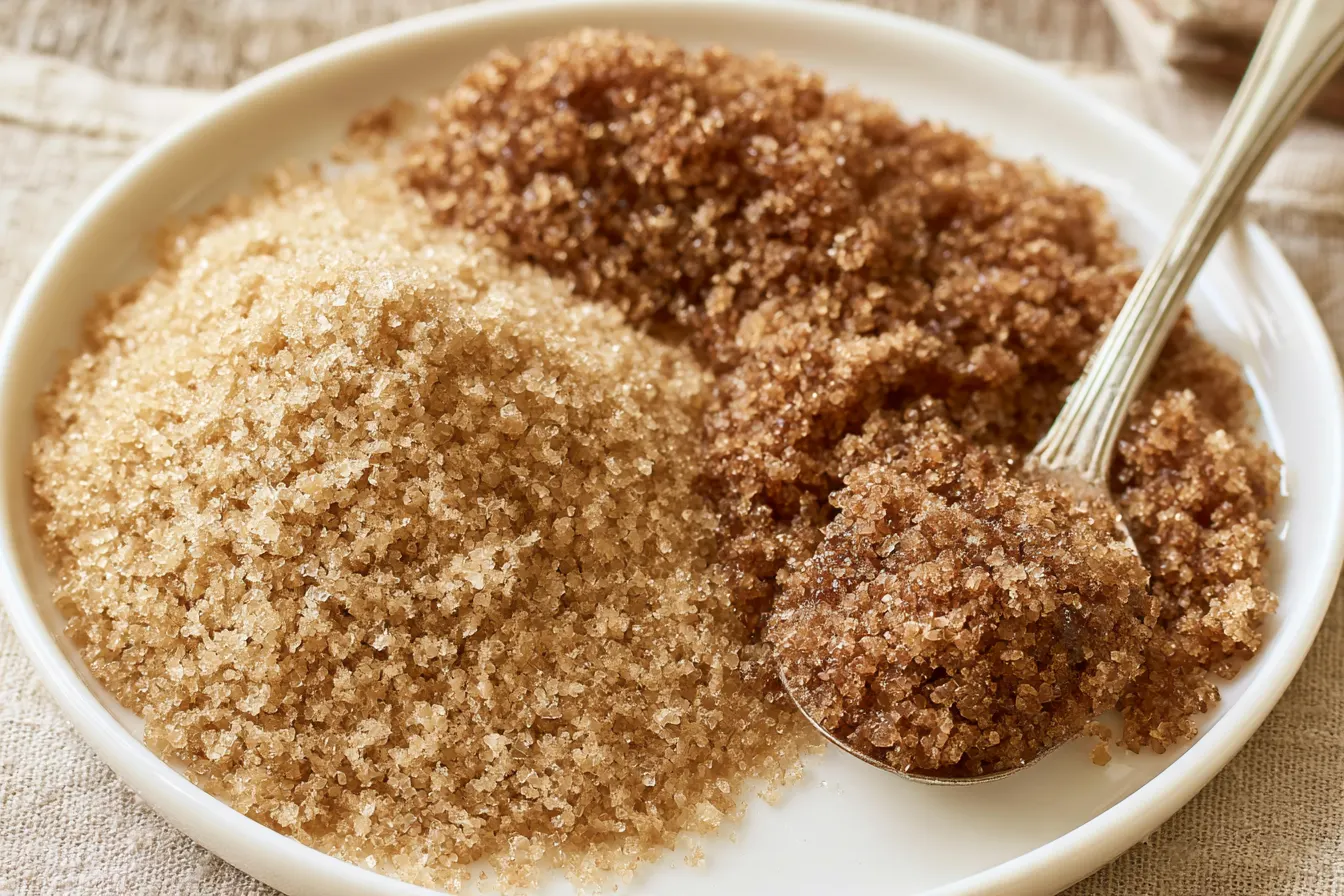
Ever had that moment mid-recipe, flour dusting your counter, butter softened to perfection, only to realize your brown sugar jar is… empty? It’s a kitchen crisis, especially when a recipe explicitly calls for it, and you’re left wondering if you can even proceed. Don’t fret; there’s almost always a solution, and today we’re diving deep into the wonderful world of finding the perfect brown sugar substitute so your baking plans never hit a snag again.
That distinct molasses note and moist texture are what make brown sugar so special. It’s not just about sweetness; it’s about depth and chewiness. This makes replacing it a little more nuanced than, say, swapping out granulated sugar.
But fear not, my fellow bakers! I’ve been in that sticky situation more times than I care to admit, and over the years, I’ve gathered a few tricks up my sleeve. Let’s explore your options, from the super simple to the surprisingly clever, ensuring your cookies, cakes, and crumbles turn out just as delicious.

Why Do Recipes Even Call for Brown Sugar? The Magic of Molasses
Before we start swapping, let’s quickly chat about what brown sugar actually brings to the party. It’s essentially granulated white sugar with molasses added back in. Light brown sugar has less molasses, giving it a milder flavor and lighter color, while dark brown sugar contains more, resulting in a deeper caramel note and a slightly stickier texture.
This molasses isn’t just for flavor. It’s hygroscopic, meaning it attracts and holds moisture. That’s why baked goods made with brown sugar tend to be softer, chewier, and stay fresh longer than those made solely with white sugar. Understanding this helps us choose the best brown sugar substitute.
The Texture and Flavor Equation
When you’re trying to replace brown sugar, you’re not just replacing sweetness. You’re also looking to replicate some of that moisture and the characteristic caramel-like flavor. White sugar is pure sucrose, offering sweetness but no moisture. Molasses, on the other hand, is a byproduct of sugar refining, packed with flavor, moisture, and minerals. It’s a dynamic duo!
Your Go-To Brown Sugar Substitute Options
Okay, let’s get down to business. You’re in a pinch, and you need a solution now. Here are the best ways to create a brown sugar substitute with what you likely already have in your pantry.

White Granulated Sugar and Molasses: The Closest Match
This is by far the most effective and recommended brown sugar substitute. Why? Because you’re essentially recreating brown sugar from scratch! It offers the best balance of sweetness, moisture, and that signature molasses flavor.
- For 1 cup of light brown sugar: Combine 1 cup of granulated white sugar with 1 tablespoon of molasses.
- For 1 cup of dark brown sugar: Combine 1 cup of granulated white sugar with 2 tablespoons of molasses.
Simply mix them together in a bowl until thoroughly combined. You can use a fork, a whisk, or even your hands (it gets a little messy but works wonders!). Make sure there are no streaks of molasses and the mixture is uniformly colored and crumbly. This homemade version stores just like store-bought brown sugar, too.
Granulated Sugar and Maple Syrup: A Sweet Alternative
No molasses? No problem! Maple syrup offers a lovely caramel-like flavor and some moisture, making it a decent stand-in. It won’t be identical, but it’s a fantastic option for many recipes, especially those where a hint of maple flavor would be welcome.
- For 1 cup of brown sugar: Mix 1 cup of granulated white sugar with 1-2 tablespoons of pure maple syrup.
Just like with molasses, stir until fully incorporated. The consistency might be slightly different, and the maple flavor will be noticeable, which can be a delicious twist in some baked goods. Think oatmeal cookies or spiced cakes!
Granulated Sugar and Honey: A Lighter Touch
Honey provides sweetness and moisture, similar to maple syrup, but with its own distinct floral notes. Use it sparingly, as its flavor can be quite potent.
- For 1 cup of brown sugar: Combine 1 cup of granulated white sugar with 1 tablespoon of honey.
Mix well until you have a consistently moist sugar. This works best in recipes where the honey flavor won’t clash, like certain fruit tarts or some types of bread. Keep in mind honey is sweeter than sugar, so you might slightly reduce other sweeteners if using a lot.
Plain Granulated White Sugar: The Simplest Swap
If you have absolutely nothing else, you can use plain granulated white sugar. This is your last resort because it significantly alters the texture and moisture content of your baked goods.
- For 1 cup of brown sugar: Use 1 cup of granulated white sugar.
You might find your cookies spread more, cakes are drier, and they don’t have that signature chewiness. To counteract this slightly, you can try adding a tiny bit more liquid (like a teaspoon of milk or water) to the recipe if it seems too dry, but be careful not to overdo it. This substitution is best for recipes where brown sugar isn’t the star, like some quick breads or muffins.
Making Your Own Brown Sugar from Scratch: The How-To
Let’s walk through the absolute best way to create a brown sugar substitute when you’re out of the real deal. This method focuses on using white sugar and molasses, which yields the most authentic results.
Step-by-Step Guide
Gather your ingredients: granulated white sugar and unsulphured molasses. For light brown sugar, you’ll need 1 tablespoon of molasses per cup of sugar. For dark brown sugar, increase that to 2 tablespoons.
1. Measure Your Sugar
Start by measuring out the amount of granulated white sugar your recipe calls for, plus a tiny bit extra if you’re making a larger batch to store. Place it in a medium-sized bowl.
2. Add the Molasses
Spoon the molasses directly onto the sugar. Don’t worry about it being perfectly distributed at this stage. It will all come together.
Tip: Lightly grease your measuring spoon with a neutral oil or cooking spray before measuring molasses. It will slide right out!
3. Mix It Up!
Now comes the fun part. Using a fork, a sturdy whisk, or even your impeccably clean hands, begin to mix the molasses into the sugar. It will look clumpy at first.
Keep mixing, breaking up any large clumps, until the molasses is evenly incorporated and the sugar has taken on a uniform brown color and a moist, crumbly texture. This usually takes a few minutes of good stirring.
4. Check the Consistency
Grab a small pinch of your homemade brown sugar. It should feel moist and easily form a soft clump when pressed, just like store-bought brown sugar. If it feels too dry, you can add another half teaspoon of molasses and mix again.
Once you’re happy with the consistency, it’s ready to be used in your recipe immediately. If you made extra, store it in an airtight container just like you would regular brown sugar to prevent it from drying out.
Important Considerations When Substituting
While these substitutes are excellent, there are a few things to keep in mind to ensure your baking success.
Moisture Levels
Brown sugar adds significant moisture to baked goods. When using white sugar alone, or even with a liquid sweetener, you might need to make minor adjustments. If your batter or dough feels too dry, a teaspoon or two of milk, water, or even coffee can sometimes help balance it out.
Flavor Profile
Molasses has a distinct flavor that’s hard to fully replicate. While maple syrup and honey offer their own delicious notes, they won’t give you the exact same caramel depth. Consider if the recipe’s final flavor will be complemented by a hint of maple or honey, or if it really needs that molasses punch.
Texture Impact
The chewiness and softness imparted by brown sugar are unique. Using only white sugar will result in a crispier, perhaps drier, final product. If you’re making chewy cookies, this difference will be more noticeable than in, say, a dense cake.
Frequently Asked Questions About Brown Sugar Substitutes
Can I use coconut sugar as a brown sugar substitute?
Yes, you can! Coconut sugar has a similar texture and a lovely caramel-like flavor, making it a great 1:1 substitute for brown sugar. It’s often less processed and retains more nutrients. Just be aware that its flavor is a bit milder than dark brown sugar, but it works beautifully in most applications.
What about sugar substitutes like stevia or erythritol?
Using artificial or natural sugar substitutes can be tricky when replacing brown sugar. They often lack the moisture and bulk that sugar provides, which can affect the texture and structure of baked goods. If you use them, you might need to add a bit more liquid or a binding agent, and the molasses flavor will be entirely absent. I’d recommend using them only if the recipe was specifically developed for them, or if you’re very familiar with baking with these alternatives.
Will my baked goods taste different if I use a substitute?
Most likely, yes. While the white sugar and molasses combo will get you very close, using maple syrup or honey will introduce their own distinct flavors. Using only white granulated sugar will result in a less complex flavor profile and a drier texture. It’s not necessarily a bad thing, just different!
How do I store homemade brown sugar?
Store your homemade brown sugar in an airtight container, just like you would store commercial brown sugar. This prevents the molasses from drying out and hardening. If it does harden, you can often soften it by placing a slice of bread or an apple wedge in the container overnight.
Can I use powdered sugar instead?
Powdered sugar (confectioners’ sugar) is not a good brown sugar substitute. It has a much finer texture and often contains cornstarch, which will significantly alter the texture of your baked goods. It also lacks the molasses component entirely. Stick to granulated sugar for your base.
A Final Thought on Sweet Solutions
Running out of an ingredient mid-recipe can be frustrating, but it’s also an opportunity to get creative and learn a little more about how ingredients work. Knowing how to create a reliable brown sugar substitute means you’re never truly stuck. Your baking adventures can continue, uninterrupted, and often with a fun new flavor twist!
So next time you find that empty jar, don’t despair. You’ve got this. Happy baking, friends!

Homemade Brown Sugar Substitute (Light)
Quick and easy homemade light brown sugar substitute using white sugar and molasses for baking.
📝 Ingredients
👩🍳 Instructions
- 1In a medium bowl, combine the granulated white sugar and molasses.
- 2Using a fork, whisk, or your clean hands, mix the molasses into the sugar. Continue mixing, breaking up any clumps, until the molasses is evenly distributed and the sugar has a uniform brown color and moist, crumbly texture.
- 3Ensure there are no streaks of molasses and the mixture feels consistent, similar to store-bought brown sugar.
- 4Use immediately in your recipe as a 1:1 replacement for light brown sugar.
💡 Notes
For dark brown sugar, increase the molasses to 2 tablespoons per cup of granulated sugar. Store any unused homemade brown sugar in an airtight container to prevent it from drying out and hardening.