


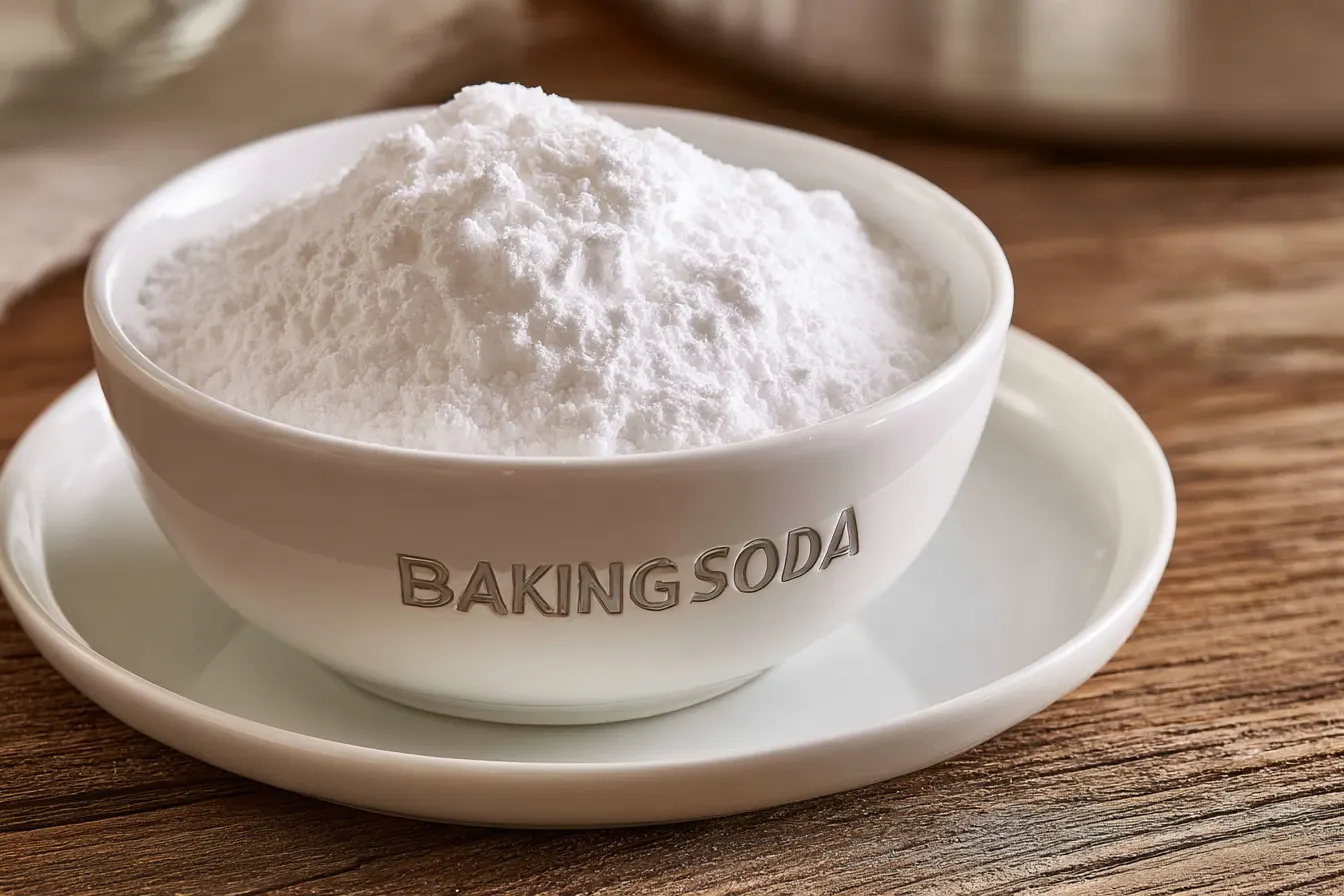
Ever been halfway through a recipe, flour dusting the counter, enthusiasm high, only to realize your baking soda container is… empty? Or worse, it’s a dusty, rock-solid relic from a forgotten era? We’ve all been there. It’s a kitchen crisis that can derail your baking plans faster than you can say “leavening agent.” But fear not, because finding a good baking soda substitute is often easier than you think, and can save your cookies, cakes, and quick breads from an untimely dense demise.

When Your Pantry Plays Hard to Get: Essential Baking Soda Substitutes
Let’s break down the most common and effective ways to replace baking soda in your recipes. The best substitute often depends on what else is already in your batter – specifically, whether there’s an acid present. This little detail makes all the difference!Baking Powder: The Go-To Alternative
If you have baking powder, you’re in luck! This is arguably the easiest and most common baking soda substitute. Here’s why it works: baking powder is essentially baking soda with an acid already mixed in (like cream of tartar) and a starch (like cornstarch) to keep it stable. This means it’s a complete leavening system on its own. The Swap: For every 1 teaspoon of baking soda, you’ll need to use 3 teaspoons of baking powder. Why the big difference? Baking soda is a much more concentrated leavening agent. Plus, baking powder often contains both a fast-acting and a slow-acting acid, meaning it provides lift when wet and again when heated. Consider this: Using baking powder will add a slightly more acidic flavor to your baked goods, and the texture might be a little softer or more cake-like. It also works best in recipes that don’t already have a strong acidic component.Potassium Bicarbonate: The Healthier Swap
Less common in home kitchens but a great option if you have it, potassium bicarbonate is often used as a salt substitute in some dietary products. It acts very similarly to baking soda in terms of leavening. The Swap: You can generally substitute potassium bicarbonate for baking soda in equal amounts (1:1 ratio). Key benefit: It provides the same leavening power without contributing to sodium intake, making it a good choice for those watching their salt levels. Where to find it: Look for it in health food stores or online.Self-Rising Flour: A Ready-Made Solution
If your recipe calls for all-purpose flour and baking soda, and you happen to have self-rising flour on hand, you might be able to pivot your entire approach. Self-rising flour already contains baking powder and salt. The Swap: For every cup of all-purpose flour, substitute with 1 cup of self-rising flour. Then, *omit* the baking soda and any salt called for in the recipe. Important Note: This swap is only suitable for recipes that don’t rely heavily on additional acidic ingredients (like buttermilk or yogurt) to activate extra baking soda. It’s best for simpler recipes like biscuits, pancakes, or quick breads.When Acid is Present: Activating Your Substitute
Baking soda needs an acid to react and produce carbon dioxide bubbles, which give your baked goods their lift. If your recipe already contains an acidic ingredient (like buttermilk, yogurt, lemon juice, vinegar, or brown sugar), you have a few more options.Cream of Tartar & All-Purpose Flour: Crafting Your Own Leavener
Don’t have baking powder but have cream of tartar? You can make your own! Cream of tartar is an acidic salt that, when combined with baking soda, mimics the action of baking powder. The Swap: For every 1 teaspoon of baking soda, combine 2 teaspoons of cream of tartar with 1 teaspoon of all-purpose flour. The flour helps keep the mixture stable. How to use: Add this mixture in place of the baking soda, and ensure it’s well distributed in your dry ingredients.
Buttermilk or Yogurt & All-Purpose Flour: The Dairy Duo
If your recipe already calls for an acidic dairy product, you can often increase its amount slightly to activate your baking soda substitute. The Swap: If using 1 teaspoon of baking soda, you can typically use 2 teaspoons of cream of tartar and 1 teaspoon of flour. You might also add an extra tablespoon or two of buttermilk or yogurt to the wet ingredients to ensure enough acid is present to activate the cream of tartar/baking soda combo. Texture implications: Be mindful that adding extra liquid might slightly alter the consistency of your batter or dough, so only add small amounts if necessary.Navigating the Baking Soda vs. Baking Powder Conundrum
Understanding the fundamental difference between baking soda and baking powder is key to successful substitutions. Baking soda (sodium bicarbonate) is a base. It needs an acid to react and produce carbon dioxide, which creates bubbles and makes your baked goods rise. Baking powder, on the other hand, is a complete leavening agent that contains both a base (baking soda) and an acid, along with a starch to keep them stable. The presence or absence of an acid in your recipe determines which substitute will work best. If your recipe has acidic ingredients like buttermilk, yogurt, lemon juice, vinegar, or even cocoa powder (natural, not Dutch-processed), baking soda is usually the primary leavener. If there aren’t many acidic ingredients, baking powder is often the star.Making the Swap: Step-by-Step Guidance
Once you’ve identified your ideal baking soda substitute, here’s how to seamlessly integrate it into your recipe.1. Evaluate Your Recipe’s Acidity
Before you do anything, quickly scan your recipe for acidic ingredients. Look for buttermilk, yogurt, sour cream, vinegar, lemon juice, brown sugar, molasses, honey, cocoa powder (natural, not Dutch-processed), or even fruit juices.Tip: If your recipe contains a significant amount of acidic ingredients, you’ll want a substitute that can be activated by that acid, or you’ll need to add an additional acid along with your substitute.
2. Choose Your Best Substitute
Based on the acidity and what you have on hand, pick from baking powder, potassium bicarbonate, or a homemade cream of tartar/flour mix.3. Adjust Quantities Carefully
This is crucial! Remember the 1:3 ratio for baking soda to baking powder. For potassium bicarbonate, it’s usually 1:1. If you’re making your own mix with cream of tartar, it’s 1 teaspoon baking soda to 2 teaspoons cream of tartar + 1 teaspoon flour. Double-check your measurements.
4. Incorporate with Dry Ingredients
Always mix your leavening agent thoroughly with your dry ingredients (flour, sugar, etc.) before combining them with the wet ingredients. This ensures even distribution and consistent rise throughout your baked good.5. Mix and Bake Promptly
Once your wet and dry ingredients are combined, the leavening action begins. Don’t let your batter sit around for too long, especially if you’re using baking powder or an acid-activated substitute. Get it into the oven as quickly as possible to capture those precious air bubbles.6. Observe and Adapt
The first time you use a substitute in a familiar recipe, pay attention to the results. Did it rise as expected? Is the texture right? Does the flavor differ? This feedback will help you fine-tune your substitutions for future baking adventures.Common Questions About Baking Soda Substitutes
Here are some frequently asked questions that might pop up when you’re improvising in the kitchen.Can I just leave out the baking soda?
Generally, no. If a recipe calls for baking soda, it’s there for a reason – usually to provide lift or to tenderize and brown the crust. Omitting it completely will likely result in a dense, flat, and unappealing baked good.Will my baked goods taste different with a substitute?
Possibly. Baking powder can sometimes impart a slightly metallic or bitter aftertaste if used in very large quantities, especially if it’s single-acting. Potassium bicarbonate is largely neutral. The texture might also vary slightly – sometimes a little more cake-like with baking powder.What if my baking soda is old? How can I check if it’s still good?
To test if your baking soda is still active, place a teaspoon of it in a small bowl and add a few tablespoons of vinegar or lemon juice. If it fizzes vigorously, it’s still good to go. If there’s little to no fizz, it’s time to replace it. Old baking soda is one of the most common reasons for flat baked goods!Is there a substitute for baking soda that is also gluten-free?
Most common baking soda substitutes, like baking powder and cream of tartar, are naturally gluten-free. Just double-check the labels, especially for baking powder, to ensure there are no hidden gluten-containing starches, though this is rare.Can I use club soda or sparkling water as a substitute?
While club soda and sparkling water contain carbonation, they don’t provide the sustained lift needed for most baked goods. They might add a slight lightness to very simple batters like pancakes, but they’re not a reliable substitute for baking soda in cakes, cookies, or quick breads.Don’t Let an Empty Box Stop You!
Baking is an art, but it’s also a science. Knowing how to troubleshoot and adapt when an ingredient is missing is a valuable skill for any home cook. With these baking soda substitutes in your arsenal, you can confidently tackle almost any recipe, even on those days when your pantry isn’t fully stocked. So go ahead, get baking – your delicious creations await!
Baking Soda Substitute Guide
A comprehensive guide to reliable baking soda substitutes for various baking situations, ensuring your recipes always rise.
📝 Ingredients
👩🍳 Instructions
- 1Assess Recipe Acidity: First, check your recipe for acidic ingredients like buttermilk, yogurt, lemon juice, or vinegar. This helps determine the best substitute.
- 2For Recipes WITHOUT Acidic Ingredients: If your recipe has no acidic ingredients, substitute 1 teaspoon of baking soda with 3 teaspoons of baking powder.
- 3For Recipes WITH Acidic Ingredients (Option 1: Baking Powder): If your recipe has acidic ingredients, you can still use baking powder at a 1:3 ratio (1 tsp baking soda = 3 tsp baking powder). Be aware it might slightly alter the flavor profile and texture.
- 4For Recipes WITH Acidic Ingredients (Option 2: Homemade Baking Powder): Combine 1 teaspoon of baking soda with 2 teaspoons of cream of tartar and 1 teaspoon of all-purpose flour. Use this mixture in place of the baking soda. You may need to slightly increase the acidic liquid (e.g., buttermilk) in the recipe to ensure full activation.
- 5For Low-Sodium Needs: Substitute 1 teaspoon of baking soda with 1 teaspoon of potassium bicarbonate.
- 6When Using Self-Rising Flour: If your recipe calls for all-purpose flour and baking soda, and you have self-rising flour, substitute 1 cup of all-purpose flour with 1 cup of self-rising flour. Omit the baking soda and any salt from the original recipe. This works best in recipes without significant added acidic ingredients.
- 7Mix Thoroughly: Always mix your chosen substitute well with the other dry ingredients before combining with wet ingredients to ensure even distribution and consistent rise.
- 8Bake Promptly: Once wet and dry ingredients are mixed, bake your batter or dough immediately to capture the maximum leavening action.
💡 Notes
Always test old baking soda for freshness by mixing a teaspoon with a splash of vinegar; if it fizzes, it's still good. Adjustments to liquid might be needed when adding homemade baking powder.