


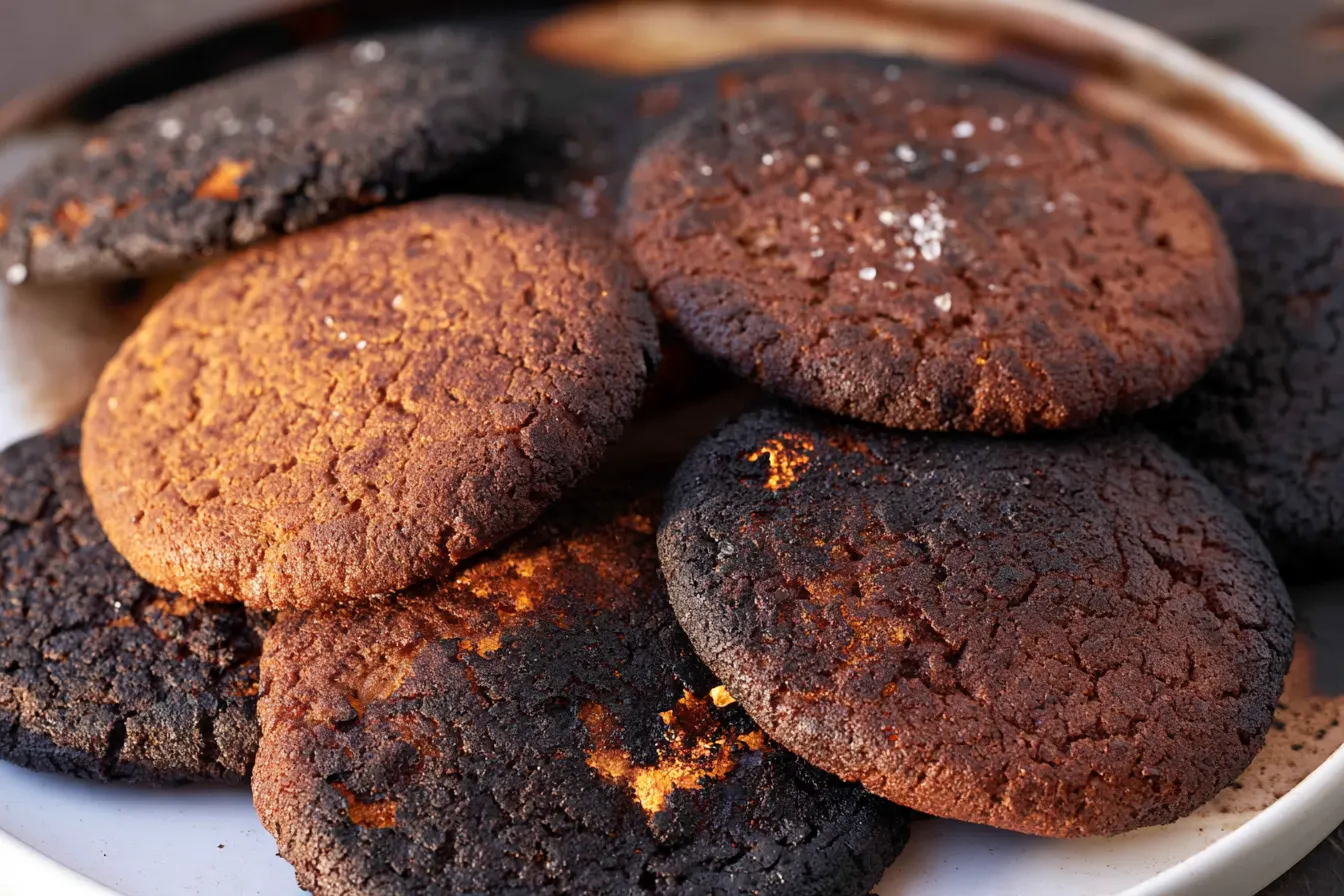
We’ve all been there, right? That hopeful scent of baking cookies fills the kitchen, you pull the tray out, and then… a wave of despair as you realize the bottoms are just a *touch* too dark. Or maybe more than a touch. My first ever batch of chocolate chip cookies ended up with bottoms so black they practically absorbed light, and I almost gave up baking entirely. But I’m here to tell you, don’t throw them out! You absolutely can’t unburn cookies, but I’m going to show you what to do with burnt cookies and how to fix them so they’re still delicious.

Why Do Cookies Burn? The Usual Suspects
Before we dive into the rescue mission, it’s helpful to understand why those bottoms might have gotten a little crispy in the first place. Knowing the cause can help prevent future incidents!Oven Hot Spots Are Real
Many ovens, even new ones, have uneven heating. One corner might be significantly hotter than another, leading to a tray of cookies with varying degrees of doneness – and sometimes, varying degrees of char. Rotating your baking sheet halfway through the cook time can mitigate this.Dark Baking Sheets Absorb More Heat
If you’re using dark-colored baking sheets, they absorb and retain more heat than lighter aluminum ones. This can lead to faster browning and, yes, faster burning, especially on the bottom. Consider lining them with parchment paper or silicone mats, or reducing your oven temperature slightly.The Rack Position Matters
Baking on the bottom rack of your oven puts your cookies closer to the heating element, making them more susceptible to burning on the underside. For most cookies, the middle rack is your best friend.Too Much Sugar, Too Little Fat
Recipes with a higher sugar content will caramelize and brown more quickly. If a recipe seems prone to burning, it might be the sugar-to-fat ratio. Experimenting with a slight reduction in sugar or an increase in fat (if it won’t ruin the texture) can help.Simply Overbaking
Sometimes, it’s just a matter of leaving them in for an extra minute or two too long. Ovens can vary, and what’s 10 minutes in one might be 8 minutes in another. Trust your nose and your eyes more than the timer alone!Immediate Rescue: How to Fix Burnt Cookie Bottoms
So, you’ve just pulled a tray of cookies from the oven, and the bottoms are looking a bit too dark. Don’t panic! There’s a simple, immediate fix you can try.The Grating Method: Shave Off the Char
This is your first line of defense against burnt cookies. Once the cookies are completely cool and firm (this is crucial, don’t try it when they’re warm!), grab a Microplane zester or the smallest holes on a box grater. Gently grate away the burnt portion of the cookie bottom. Focus only on the truly blackened bits. You’ll be surprised how much char you can remove without significantly altering the cookie’s structure or flavor. This works best for minor burning, where only a thin layer needs to be shaved off. You might lose a little bit of the cookie, but it’s far better than discarding the whole thing.The Knife Scrape: For More Stubborn Spots
If the char is a bit thicker or in more defined spots, a sharp paring knife can be your tool of choice. Carefully scrape away the burnt areas. Again, wait until the cookies are completely cooled. Warm cookies are too fragile and will crumble. This method requires a steady hand and a light touch to avoid breaking the cookie. Tip: Always work on a clean, flat surface to ensure stability while you’re scraping or grating. And remember, the goal isn’t perfection, it’s salvaging.Transforming Burnt Cookies: Creative Culinary Comebacks
Even if the burning is a bit more extensive than a quick scrape can handle, your cookies are far from garbage. In fact, a slightly bitter, caramelized note can add depth to other desserts. This is where the real fun begins!Cookie Crumble Topping for Desserts
This is probably the easiest and most versatile way to salvage burnt cookies. Crumble them up! Seriously. Take those cookies, even the quite burnt ones (as long as they don’t taste *acrid*), and blitz them in a food processor or crush them by hand in a zip-top bag with a rolling pin. These crumbles make an incredible topping for ice cream, yogurt parfaits, puddings, or even fruit crisps. The slight bitterness from the char can actually enhance the sweetness of other components, creating a more complex flavor profile. Think of it like a dark caramel note.
Burnt Cookie Crust for Cheesecakes and Pies
Forget graham crackers for your next cheesecake or pie crust. Those burnt cookies, once pulverized, make an amazing base! Mix the crumbs with melted butter and a touch of sugar (if needed, depending on how sweet your original cookies were) and press into your pie plate or springform pan. Bake it briefly to set, and you’ve got a unique, deeply flavored crust. This works particularly well for chocolate cookies, where the slight bitterness adds a sophisticated edge.Cookie Butter or Cookie Spread
Yes, you can make your own cookie butter! This is a fantastic option for truly well-done cookies. Break them into pieces, then blend them in a food processor with a little oil (like neutral vegetable oil or melted coconut oil), a touch of milk (dairy or non-dairy), and a sweetener like maple syrup or honey until smooth. You can adjust the consistency by adding more liquid or oil. This homemade cookie spread is divine on toast, stirred into oatmeal, or even eaten by the spoonful. It’s a wonderful way to rescue a large batch.Milkshakes and Smoothies with a Twist
Toss a few pieces of your burnt cookies into your next milkshake or smoothie. The strong flavors of milk, ice cream, and other mix-ins will mellow out any lingering bitterness from the char. It adds a lovely texture and a hint of unexpected depth. For a decadent treat, blend them with vanilla ice cream and a splash of milk for a “burnt cookie dough” shake. It’s surprisingly good and very comforting.Preventing Future Cookie Catastrophes
While it’s great to know how to fix burnt cookies, preventing them in the first place is even better! Here are some tried-and-true tips to keep your cookies perfectly golden.Invest in an Oven Thermometer
Oven temperatures can be wildly inaccurate. A cheap oven thermometer placed inside will tell you the true temperature, allowing you to adjust your oven dial accordingly. This is a game-changer for consistent baking.Use Parchment Paper or Silicone Mats
Always, always line your baking sheets. Parchment paper or silicone baking mats (like Silpats) create a barrier between the hot metal and your cookie dough. This prevents sticking, promotes even baking, and significantly reduces the chance of burnt bottoms. They’re also great for easy cleanup!Light-Colored Baking Sheets
If you’re serious about preventing burnt bottoms, switch to light-colored, heavy-gauge aluminum baking sheets. They reflect heat rather than absorbing it, leading to more even baking and less risk of over-browning.Rotate Your Tray
As mentioned earlier, rotating your baking sheet 180 degrees halfway through the baking time helps to even out any hot spots in your oven. It takes an extra second but can make a big difference.Set a Shorter Timer
If a recipe calls for 10-12 minutes, set your timer for 8 minutes. Check them. If they’re not done, set the timer for another 1-2 minutes and check again. It’s much easier to add more baking time than to take it away. Look for golden edges and set centers.Cool Properly on a Wire Rack
While not directly related to preventing burning *in* the oven, proper cooling is crucial for texture and preventing further cooking from residual heat. Transfer cookies to a wire rack after just a few minutes on the hot baking sheet. This stops the cooking process and allows air to circulate around them.
Frequently Asked Questions About Burnt Cookies
Can you really salvage cookies that are *very* burnt?
It depends on the degree of burning. If they taste acrid and bitter throughout, even after scraping, they might be beyond saving for direct consumption. However, even these can sometimes be used in applications where the strong flavor is diluted or combined with other ingredients, like in a very robust milkshake or as a small portion of a larger crumble mix.Does the type of cookie matter for salvaging?
Absolutely. Thicker, chewier cookies (like oatmeal or chocolate chip) tend to hold up better to scraping and repurposing than delicate, thin cookies (like lace cookies or some shortbreads), which might just crumble apart. Chocolate cookies often hide minor charring better due to their dark color and strong flavor.Will scraping off the burnt parts affect the texture of the cookie?
Yes, slightly. You’ll lose a thin layer of the cookie, which can make it a bit thinner or less structurally sound, especially if the original cookie was delicate. However, the alternative is usually discarding the whole cookie, so a slight texture change is a small price to pay for salvage.Is it safe to eat cookies that have had burnt parts removed?
Generally, yes. The concern with burnt foods often relates to carcinogens formed by extensive charring. By removing the visibly burnt, blackened parts, you’re removing the majority of these compounds. For occasional consumption of salvaged cookies, it’s not a significant health concern. Always err on the side of caution if the taste is unpleasantly bitter or if you’re concerned.Can I freeze cookies that I’ve salvaged?
Yes, you can! Once you’ve scraped or repurposed them into crumbles or cookie butter, you can freeze them just as you would any other cookie component. Store crumbles in an airtight container or zip-top bag for up to 3 months. Cookie butter can be frozen in an airtight container for a similar duration.Final Thoughts: A Learning Opportunity
Baking is an art and a science, and sometimes, even the most experienced bakers have kitchen mishaps. Burnt cookies aren’t a sign of failure; they’re a learning opportunity and a chance to get creative. Instead of letting them go to waste, embrace the challenge and transform them into something new and exciting. From a quick scrape to a brand new dessert, there are so many delicious ways to give those slightly overdone treats a second life. So next time your timer betrays you, don’t despair – grab your grater, your food processor, and let your culinary imagination take over!
Burnt Cookie Crumble Topping
Transform slightly burnt cookies into a delicious crumble topping for ice cream, yogurt, or pies.
📝 Ingredients
👩🍳 Instructions
- 1Ensure your burnt cookies are completely cooled and firm. This is crucial for easy handling.
- 2Using a Microplane zester or the smallest holes on a box grater, gently grate away any visibly burnt, blackened portions from the bottoms and edges of the cookies. Discard the grated char.
- 3Break the salvaged cookies into smaller pieces. Place them in a food processor and pulse until coarse crumbs form. Alternatively, place them in a sturdy zip-top bag and crush with a rolling pin.
- 4If desired, transfer the crumbs to a small bowl. Drizzle with 1-2 tablespoons of melted butter and add the optional sugar and cinnamon. Stir until the crumbs are evenly coated. This step adds richness and helps bind the crumble slightly.
- 5Use immediately as a topping for ice cream, yogurt, puddings, or as a base for mini cheesecakes. Store any leftover crumble in an airtight container at room temperature for up to 1 week, or freeze for longer storage.
💡 Notes
This method works best for cookies with minor burning. For more extensively burnt cookies, consider using them in a cookie butter recipe where the strong flavors are blended and diluted. Experiment with adding a pinch of sea salt to the crumble for a lovely sweet and salty contrast.