


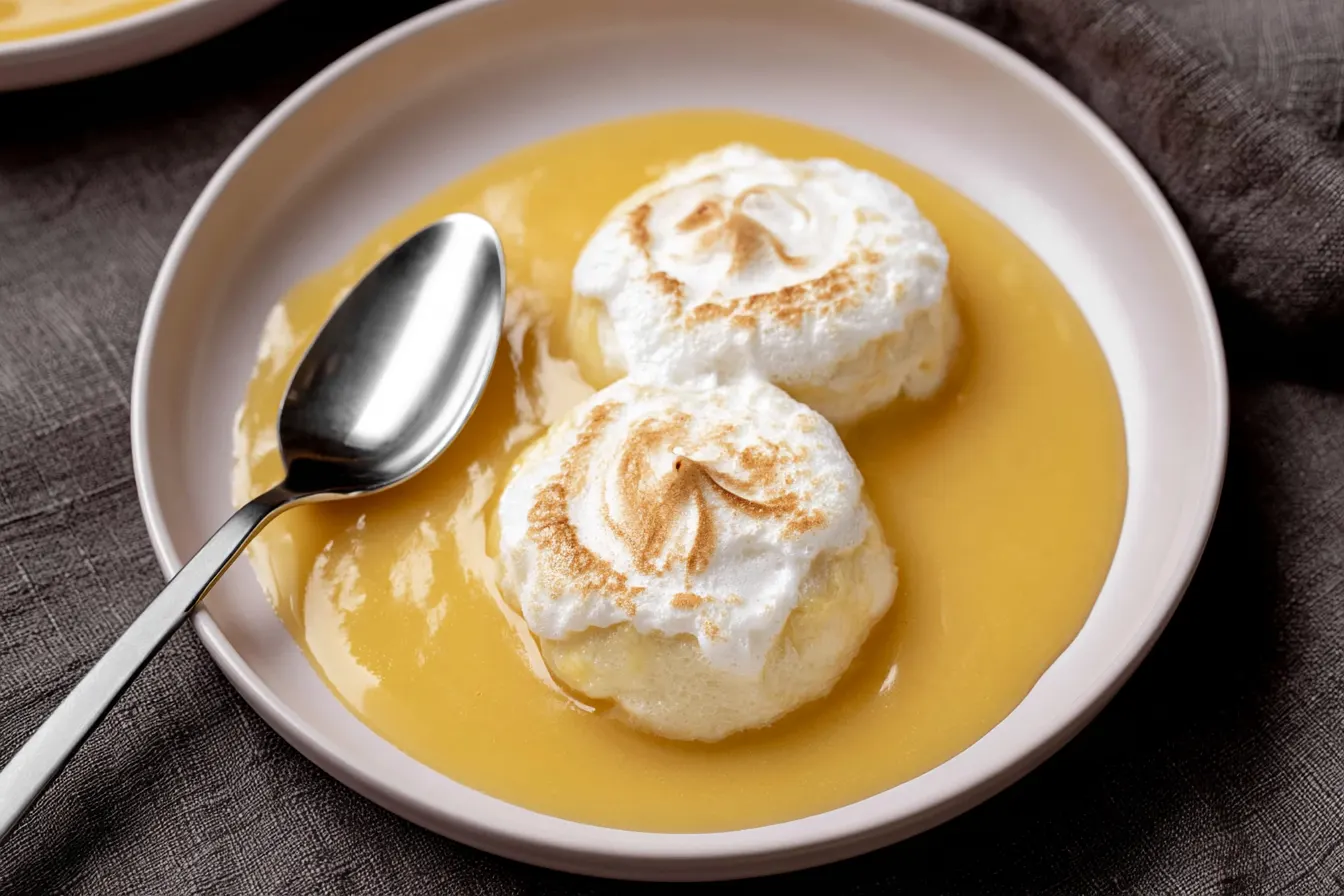
Have you ever wondered about those classic French desserts that seem impossibly elegant, utterly out of reach for the home cook? For years, I certainly did. But then I stumbled upon the magic of Floating Island dessert – or île flottante, as the French so beautifully call it – and realized it’s not just achievable, it’s surprisingly simple and incredibly rewarding.
- A Little Trip to France, Right in Your Kitchen
- Gathering Your Ingredients for a Dreamy Dessert
- Crafting Your Floating Island: Step-by-Step Perfection
- Assembling Your Elegant Dessert
- Why This Floating Island Recipe Works So Well
- Common Questions About Floating Island Dessert
- Variations to Keep Things Exciting

A Little Trip to France, Right in Your Kitchen
There’s something about French cuisine that often intimidates, conjuring images of complex techniques and hours in the kitchen. But many of its most beloved dishes, like this charming île flottante, are built on simple principles and quality ingredients. It’s about letting those core flavors shine. This dessert is a fantastic example of that philosophy.What Exactly IS Floating Island Dessert?
At its core, Floating Island is an airy meringue, gently cooked until it’s soft and marshmallow-like, then served atop a rich, vanilla-scented custard sauce (crème anglaise). Often, it’s garnished with caramel sauce and toasted nuts for a textural contrast and an extra layer of flavor. It’s a symphony of textures: the pillowy meringue, the smooth custard, and the delicate crunch of almonds.Gathering Your Ingredients for a Dreamy Dessert
You’ll be amazed at how few ingredients are required to create something so spectacular. Quality really counts here, especially with your eggs and vanilla.For the Cloud-Like Meringues:
- Large Egg Whites: From about 4-5 large eggs. Make sure there’s absolutely no yolk mixed in, or your meringues won’t whip up properly.
- Granulated Sugar: For sweetness and stability.
- Pinch of Salt: Enhances the flavor and helps stabilize the egg whites.
- Vanilla Extract: Just a touch to round out the flavor.
For the Silky Crème Anglaise:
- Large Egg Yolks: From the same eggs you used for the whites! We’re not wasting a thing.
- Whole Milk: The richer, the better for that luscious texture.
- Heavy Cream: Adds an extra layer of decadence to the custard.
- Granulated Sugar: Sweetens the custard base.
- Vanilla Bean or High-Quality Vanilla Extract: This is where the magic happens. A vanilla bean scraped into the milk will give you the most exquisite flavor, but good extract works too.
- Pinch of Salt: Balances the sweetness.
For the Garnish (Optional, but Recommended!):
- Toasted Sliced Almonds: For crunch and a nutty aroma.
- Caramel Sauce: Either homemade or a good quality store-bought version for that classic drizzle.

Crafting Your Floating Island: Step-by-Step Perfection
Don’t let the fancy name fool you; assembling this dessert is more about gentle technique than complicated maneuvers. We’ll start with the custard, then move on to those ethereal meringues.1. Prepare the Crème Anglaise (Custard Base)
First, grab a medium saucepan. Combine the milk, heavy cream, half of the granulated sugar for the custard, and the pinch of salt. If you’re using a vanilla bean, split it lengthwise, scrape out the seeds, and add both the seeds and the pod to the milk mixture. Gently heat this over medium-low heat, stirring occasionally, until it just begins to simmer around the edges – don’t let it boil.
While the milk mixture heats, whisk the egg yolks with the remaining granulated sugar in a separate bowl until the mixture is pale yellow and slightly thickened. This process is called “blanchir” and helps dissolve the sugar and lightens the yolks.
Note: Tempering is crucial here! Gradually whisk about half of the hot milk mixture into the egg yolk mixture, a ladleful at a time. This slowly raises the temperature of the yolks so they don’t scramble when added to the hot milk. Once combined, pour the tempered yolk mixture back into the saucepan with the remaining hot milk.
Return the saucepan to low heat. Cook, stirring constantly with a wooden spoon or spatula, until the custard thickens enough to coat the back of the spoon (it should leave a clear path when you run your finger across it). This usually happens when the custard reaches about 170-175°F (77-79°C). Do not let it boil, or it will curdle. Immediately strain the custard through a fine-mesh sieve into a clean bowl to ensure it’s perfectly smooth. Stir in the vanilla extract (if using) and place plastic wrap directly on the surface to prevent a skin from forming. Chill completely in the refrigerator for at least 3-4 hours, or preferably overnight.
2. Whip Up the Meringue Clouds
In a very clean, dry mixing bowl (preferably metal or glass), combine the egg whites and a tiny pinch of salt. Using an electric mixer, start whipping on medium speed until soft peaks form. Gradually add the granulated sugar, about a tablespoon at a time, while continuing to beat on medium-high speed. Continue beating until the meringue is glossy, thick, and holds stiff peaks. Stir in the vanilla extract.
Tip: Ensure your bowl and beaters are impeccably clean and free of any grease. Even a tiny bit of fat can prevent egg whites from whipping properly.
3. Gently Poach the Meringues
Bring a large, shallow pot of water (or milk, for extra richness) to a gentle simmer – not a rolling boil. Using two large spoons, scoop out portions of the meringue and gently lower them into the simmering water. Don’t overcrowd the pot; cook them in batches if necessary. The meringues will puff up beautifully. Poach for about 2-3 minutes per side, gently flipping them halfway through.
Once cooked, use a slotted spoon to carefully lift the meringues out of the water. Place them on a plate lined with paper towels to drain any excess liquid. They should be wonderfully light, airy, and slightly firm to the touch.

Assembling Your Elegant Dessert
Once both components are chilled and ready, assembly is the fun part! Ladle a generous pool of the cold crème anglaise into individual serving bowls or shallow plates. Gently place one or two of the poached meringue “islands” on top of the custard. Drizzle with caramel sauce and sprinkle with toasted sliced almonds. Serve immediately and watch your guests’ eyes light up!Why This Floating Island Recipe Works So Well
This version of Floating Island strikes a perfect balance. The crème anglaise is rich without being heavy, thanks to the combination of milk and cream. The meringues are just sweet enough, with that wonderful vanilla note, and their gentle poaching keeps them incredibly tender and ethereal – a stark contrast to baked meringues which can be crisp. The caramel and almonds aren’t just for show; they add crucial layers of flavor and texture that elevate the entire experience. It’s a dessert that feels luxurious but is surprisingly light after a meal.Common Questions About Floating Island Dessert
It’s natural to have a few questions when tackling a classic! Here are some of the most common ones I hear.Can I make Floating Island ahead of time?
Yes, absolutely! The crème anglaise can be made up to 2-3 days in advance and stored in an airtight container in the refrigerator. The meringues are best made the day you plan to serve, as they can lose some of their delicate texture if stored for too long. However, you can poach them a few hours in advance and keep them covered at room temperature.
My crème anglaise curdled! What went wrong?
This usually happens if the custard gets too hot and boils, or if you don’t stir it constantly while it’s thickening. The key is low heat and constant motion. If it does curdle slightly, you can try blending it with an immersion blender or a regular blender (carefully!) to smooth it out, but prevention is best.
Can I bake the meringues instead of poaching them?
While you *can* bake meringues, they will yield a different texture – crisp and dry, rather than the soft, pillowy texture traditional for Floating Island. The poaching method is key to achieving that unique, cloud-like consistency.
What if I don’t have a vanilla bean?
No problem! High-quality vanilla extract is a perfectly acceptable substitute. Use about 1.5 – 2 teaspoons of good vanilla extract in the crème anglaise, adding it after the custard has been strained and is cooling. You can also use vanilla bean paste for a similar intensity of flavor and those lovely vanilla specks.
How do I store leftovers?
If you have assembled dessert leftover, it’s best to eat it within a day. The meringues will start to absorb moisture from the custard and soften quite a bit. Store it covered in the refrigerator. The separate components (custard and meringues) store better individually.
Variations to Keep Things Exciting
While the classic is divine, there are always ways to play with flavors! Citrus Zest: Add a teaspoon of finely grated lemon or orange zest to the crème anglaise for a bright, refreshing twist. Nutty Meringues: Fold a tablespoon of finely ground toasted almonds or pistachios into the meringue mixture before poaching. Chocolate Drizzle: Instead of caramel, drizzle with a rich chocolate sauce or finely grated dark chocolate. Coffee Custard: Infuse the milk with a tablespoon of instant espresso powder for a coffee-flavored crème anglaise. Fruit Coulis: Serve with a vibrant berry coulis alongside or instead of caramel for a burst of fruity freshness. Remember, the beauty of Floating Island is its elegant simplicity. Don’t be afraid to experiment once you’ve mastered the classic. Enjoy the process, and savor every spoonful of this truly delightful French dessert!
Classic Floating Island Dessert (Île Flottante)
A light, no-bake French dessert featuring delicate poached meringues floating on a rich vanilla crème anglaise, drizzled with caramel.
📝 Ingredients
👩🍳 Instructions
- 1Prepare the Crème Anglaise: In a medium saucepan, combine milk, heavy cream, half of the granulated sugar for the crème anglaise (1/4 cup), vanilla bean seeds and pod (if using), and a pinch of salt. Heat over medium-low heat until it just begins to simmer around the edges; do not boil. Remove from heat.
- 2In a separate medium bowl, whisk egg yolks with the remaining 1/4 cup granulated sugar for the crème anglaise until pale yellow and slightly thickened.
- 3Temper the egg yolks: Gradually whisk about half of the hot milk mixture into the egg yolk mixture, a ladleful at a time, to slowly raise their temperature. Pour the tempered yolk mixture back into the saucepan with the remaining hot milk.
- 4Return the saucepan to low heat. Cook, stirring constantly with a wooden spoon or spatula, until the custard thickens enough to coat the back of the spoon (it should reach 170-175°F/77-79°C). Do not boil. Immediately strain the custard through a fine-mesh sieve into a clean bowl. Stir in vanilla extract (if using instead of vanilla bean). Place plastic wrap directly on the surface to prevent a skin from forming. Chill completely in the refrigerator for at least 3-4 hours, or preferably overnight.
- 5Prepare the Meringues: In a very clean, dry mixing bowl, combine egg whites and a pinch of salt. Beat with an electric mixer on medium speed until soft peaks form. Gradually add the 1/2 cup granulated sugar (for meringue), 1 tablespoon at a time, while continuing to beat on medium-high speed. Continue beating until the meringue is glossy, thick, and holds stiff peaks. Gently fold in 1/2 tsp vanilla extract.
- 6Poach the Meringues: Fill a large, shallow pot with water (or milk) and bring to a gentle simmer (not a rolling boil). Using two large spoons, scoop out portions of meringue (about 1/4 cup each) and gently lower them into the simmering liquid. Do not overcrowd the pot; cook in batches if necessary.
- 7Poach for 2-3 minutes per side, gently flipping halfway through. The meringues will puff up and become light and airy. Using a slotted spoon, carefully remove the meringues and place them on a plate lined with paper towels to drain excess liquid. Let them cool.
- 8Assemble and Serve: Ladle the chilled crème anglaise into individual serving bowls. Gently place one or two poached meringue islands on top of the custard. Drizzle with caramel sauce and sprinkle with toasted sliced almonds. Serve immediately.
💡 Notes
Ensure all bowls and utensils for meringue are grease-free for best results. The crème anglaise is best made a day ahead. For a richer poaching liquid, use milk instead of water. Leftovers are best consumed within 24 hours, though meringues may soften.