


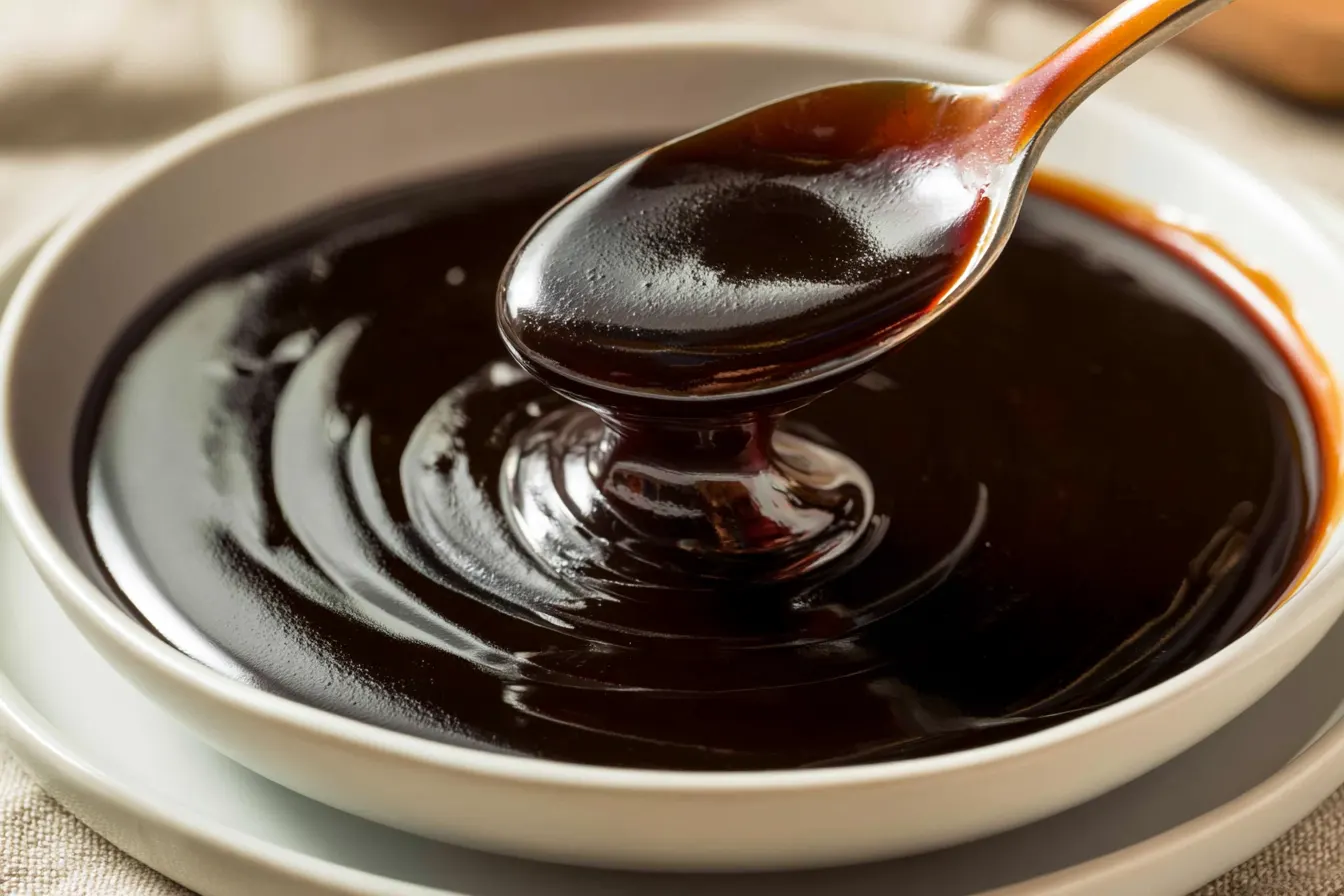
Ever been halfway through a recipe, eyes gleaming with the promise of gingerbread cookies or a rich, dark BBQ sauce, only to realize your molasses jar is bone dry? Yep, I’ve been there more times than I care to admit. It’s that sinking feeling that makes you want to throw in the kitchen towel. But before you abandon your baking dreams, let’s talk about finding the perfect molasses substitute.
- Why Molasses Matters: More Than Just Sweetness
- The Usual Suspects: Common Molasses Alternatives
- Deeper Dives: Less Common but Effective Swaps
- The “Make Your Own” Molasses Substitute
- When to Be Picky About Your Molasses Substitute
- Frequently Asked Questions About Swapping Molasses
- Final Thoughts on Your Molasses Predicament

Why Molasses Matters: More Than Just Sweetness
Before we dive into the swaps, let’s briefly chat about what molasses actually *does*. It’s a byproduct of refining sugar cane or sugar beets into sugar. The longer the sugar is boiled and processed, the darker and more robust the molasses becomes, losing some of its sweetness but gaining in depth and mineral content. Light molasses is the mildest, often used in baked goods. Dark molasses (or robust) has a stronger, slightly bitter flavor and is great for heartier dishes. Blackstrap molasses is the darkest and most concentrated, intensely bitter, and less common in baking but packed with nutrients. Each type contributes not just sweetness but also: Color: That signature dark hue in gingerbread and brown bread. Moisture: It’s a liquid sweetener, adding tenderness and preventing baked goods from drying out. Flavor Profile: A complex, slightly smoky, caramel-like taste with a hint of bitterness. Texture: It can make cookies chewier and breads denser. So, when we look for a substitute, we’re aiming for a combination of these factors, not just a simple sugar swap.The Usual Suspects: Common Molasses Alternatives
Let’s start with the most accessible options you likely have on hand. These are your go-to solutions when you’re in a pinch and need to keep moving.Maple Syrup: A Sweet Stand-In
Ah, maple syrup! Specifically, *pure* maple syrup, not the pancake kind. This is often my first choice for a molasses substitute, especially in baking. It offers a similar liquid consistency and a wonderfully complex, caramel-like sweetness. It won’t give you the same deep, dark color as molasses, nor quite the same robust, slightly bitter undertone, but it’s a fantastic flavor match for many applications. How to Use It: Substitute 1:1 for molasses. If your recipe is very sensitive to moisture, you might want to slightly reduce other liquids by a tablespoon or two, especially in delicate baked goods. It works beautifully in cookies, cakes, and even glazes.Honey: The Golden Alternative
Honey is another excellent liquid sweetener that can step in for molasses. It’s sweeter and has a distinct floral flavor profile, which means it will alter the final taste of your dish more significantly than maple syrup. However, its viscosity and ability to add moisture are very similar to molasses. How to Use It: Substitute 1:1 for molasses. Because honey is sweeter, you might consider reducing other sugars in the recipe by about ¼ cup for every cup of honey used, especially if you’re sensitive to sweetness. It’s great in sauces, dressings, and some baked goods where a honey flavor would be welcome.Brown Sugar: A Dry Solution
Brown sugar is essentially white sugar with molasses added back into it. The darker the brown sugar, the more molasses it contains. This makes it a natural contender for a molasses substitute, especially if you’re looking for that signature flavor and moisture. How to Use It: This one requires a bit more thought. If your recipe calls for, say, 1/4 cup of molasses, you can substitute 1 cup of packed dark brown sugar. This is because brown sugar is a solid, and you’ll need more of it to achieve the liquid and flavor profile. However, this also means you’re adding more dry ingredients. For every cup of brown sugar you use as a substitute, you’ll need to add about 1/4 cup of an additional liquid (like water, milk, or coffee) to maintain the proper moisture balance in your recipe. This is particularly crucial in baking. Tip: For an even closer match, you can whisk the brown sugar with a tablespoon or two of hot water until it forms a thick syrup before adding it to your recipe. This pre-dissolves the sugar and helps with even distribution.
Deeper Dives: Less Common but Effective Swaps
Sometimes, you need to get a little more creative or you’re specifically trying to replicate a certain nuance that molasses provides. These options might not be in every pantry, but they’re worth knowing about.Dark Corn Syrup: For Texture and Color
Dark corn syrup isn’t quite the flavor match that maple syrup or brown sugar offers, but it’s excellent for replicating the texture and some of the color of molasses. It’s less sweet and has a milder flavor than light corn syrup, with a hint of caramel notes. It’s particularly useful in candies, glazes, and some baked goods where a less assertive flavor is desired. How to Use It: Substitute 1:1 for molasses. You might want to add a tiny pinch of extra spices (like ginger or cinnamon) if your recipe relies on molasses for a spicy kick.Treacle: The UK’s Answer
If you’re delving into British recipes, you might encounter “treacle.” Golden syrup (light treacle) is very similar to light molasses or corn syrup – a thick, amber-colored syrup. Black treacle is much closer to dark or blackstrap molasses in flavor and color, though perhaps slightly less bitter. How to Use It: If you have black treacle, use it as a 1:1 substitute for dark molasses. For light molasses, golden syrup works wonderfully at a 1:1 ratio. These are probably the closest in terms of chemical composition and consistency.Sorghum Syrup: The Southern Sweetener
Sorghum syrup is a traditional sweetener in the American South, made from sorghum cane. It has a distinctive, somewhat earthy, tangy, and slightly sour-sweet flavor that’s quite unique. While it’s not a direct flavor clone for molasses, its dark color and thick consistency make it a viable alternative in some dishes, especially those with a robust flavor profile where its unique taste can shine. How to Use It: Substitute 1:1 for molasses. Be aware that the flavor will be different, so it’s best in recipes where a new, interesting flavor won’t clash. Think BBQ sauces, certain breads, or rustic baked goods.The “Make Your Own” Molasses Substitute
Sometimes, the best solution is to create a blend that hits all the right notes. This combination aims to mimic the color, moisture, and flavor profile of molasses using commonly available ingredients.Brown Sugar + Maple Syrup (or Honey) + a Touch of Spice
This is my go-to “designer” molasses substitute if I’m out of the real deal and want to ensure a close match. It combines the molasses notes from brown sugar with the liquid and flavor complexity of another syrup. Ingredients: 1 cup packed dark brown sugar 1/4 cup pure maple syrup (or honey) 1/2 teaspoon black coffee or espresso (optional, for deeper color and bitterness) 1/4 teaspoon ground ginger or allspice (optional, to mimic molasses’s spice notes) Instructions: 1. In a small saucepan, combine the brown sugar and maple syrup (or honey). 2. Heat gently over low heat, stirring constantly, until the sugar is fully dissolved and the mixture is smooth and syrupy. Don’t let it boil vigorously. 3. Remove from heat and stir in the optional coffee and spices. 4. Let it cool slightly before using. How to Use It: Use this homemade mixture as a 1:1 substitute for molasses in your recipe. This option gives you the most control over replicating the unique characteristics of molasses.
When to Be Picky About Your Molasses Substitute
While many substitutes work well for general baking or cooking, there are a few scenarios where you might want to be more discerning. Classic Gingerbread: If you’re making a traditional gingerbread house or very specific, spiced gingerbread cookies, the deep, slightly bitter notes of real molasses (especially dark molasses) are pretty integral to the authentic flavor. Maple syrup is a good second choice, but you’ll notice the difference. Yeast Breads: Molasses plays a role in feeding yeast, contributing to the rise and texture of certain breads. While substitutes like brown sugar + liquid can work, the exact fermentation process might vary slightly. Recipes with Molasses as a Star: If molasses is a primary flavor (think Molasses Crinkles or a Molasses Glaze), using a substitute will undoubtedly change the final flavor. In these cases, consider whether the new flavor profile will still be enjoyable.Frequently Asked Questions About Swapping Molasses
Cooking is all about asking questions and adapting. Here are some common queries I get about replacing molasses.Can I just leave out the molasses?
Probably not a good idea. Molasses isn’t just a flavor enhancer; it contributes moisture, color, and sometimes even structure to baked goods. Omitting it completely will likely result in a drier, less flavorful, and potentially oddly textured final product. Always try to use a suitable substitute.Will blackstrap molasses work as a substitute for light molasses?
Technically, yes, but proceed with caution! Blackstrap molasses is significantly more bitter and less sweet than light or even dark molasses. If you use it 1:1, your dish will have a very strong, robust, and potentially overpowering flavor. If you must use it, try using only half the amount called for, and make up the difference with a milder sweetener like maple syrup or honey.What if I only have white sugar?
White granulated sugar is a poor substitute on its own because it lacks the color, moisture, and complex flavor of molasses. However, you can create a decent substitute by combining white sugar with a little water and a flavor enhancer. For every cup of molasses, try mixing 1 cup of white sugar with 1/4 cup of water and 1 teaspoon of vanilla extract or a touch of coffee. It won’t be perfect, but it’s better than nothing.Does the type of recipe matter for the substitute choice?
Absolutely! For sweet baked goods where moisture and a hint of caramel are key (like cookies or cakes), maple syrup or honey are excellent. For savory glazes or BBQ sauces where a deep color and robust flavor are needed, dark brown sugar with added liquid or even sorghum syrup could be better. Consider the role molasses plays in your specific recipe.Can I use corn syrup with brown sugar for a better substitute?
Yes, that’s a fantastic combination! Mixing dark corn syrup with a bit of dark brown sugar can provide both the viscosity and the deeper flavor notes. For instance, for 1 cup of molasses, you could try 1/2 cup dark corn syrup and 1/2 cup packed dark brown sugar, adding a tablespoon or two of water if the mixture feels too thick. This gives you a lovely balance.Final Thoughts on Your Molasses Predicament
The next time you find yourself staring at an empty molasses jar, don’t despair. Your pantry is probably more capable than you think! Whether you opt for the sweet simplicity of maple syrup, the robust notes of brown sugar, or get creative with a homemade blend, there’s always a way to keep your culinary adventures rolling. Remember, cooking is all about adapting and making delicious discoveries, even when things don’t go exactly as planned. Happy cooking!
Molasses Substitute Blend
A versatile homemade blend to replace molasses in any recipe, mimicking its flavor and texture.
📝 Ingredients
👩🍳 Instructions
- 1In a small saucepan, combine the packed dark brown sugar and pure maple syrup (or honey).
- 2Heat the mixture gently over low heat, stirring continuously until the brown sugar is completely dissolved and the mixture transforms into a smooth, syrupy consistency. Avoid letting it come to a vigorous boil.
- 3Remove the saucepan from the heat.
- 4Stir in the optional black coffee or espresso and the ground ginger or allspice, if using. These additions enhance the color and introduce a subtle bitterness and spice profile, respectively, closer to authentic molasses.
- 5Allow the homemade molasses substitute to cool slightly before incorporating it into your recipe. This ensures it thickens appropriately and doesn't affect the temperature of other ingredients too much.
💡 Notes
This blend can be used as a 1:1 substitute for molasses in most recipes. Adjust the optional coffee and spices to your preference based on whether you're replacing light or dark molasses. Store any leftover substitute in an airtight container at room temperature for up to 2 weeks.