


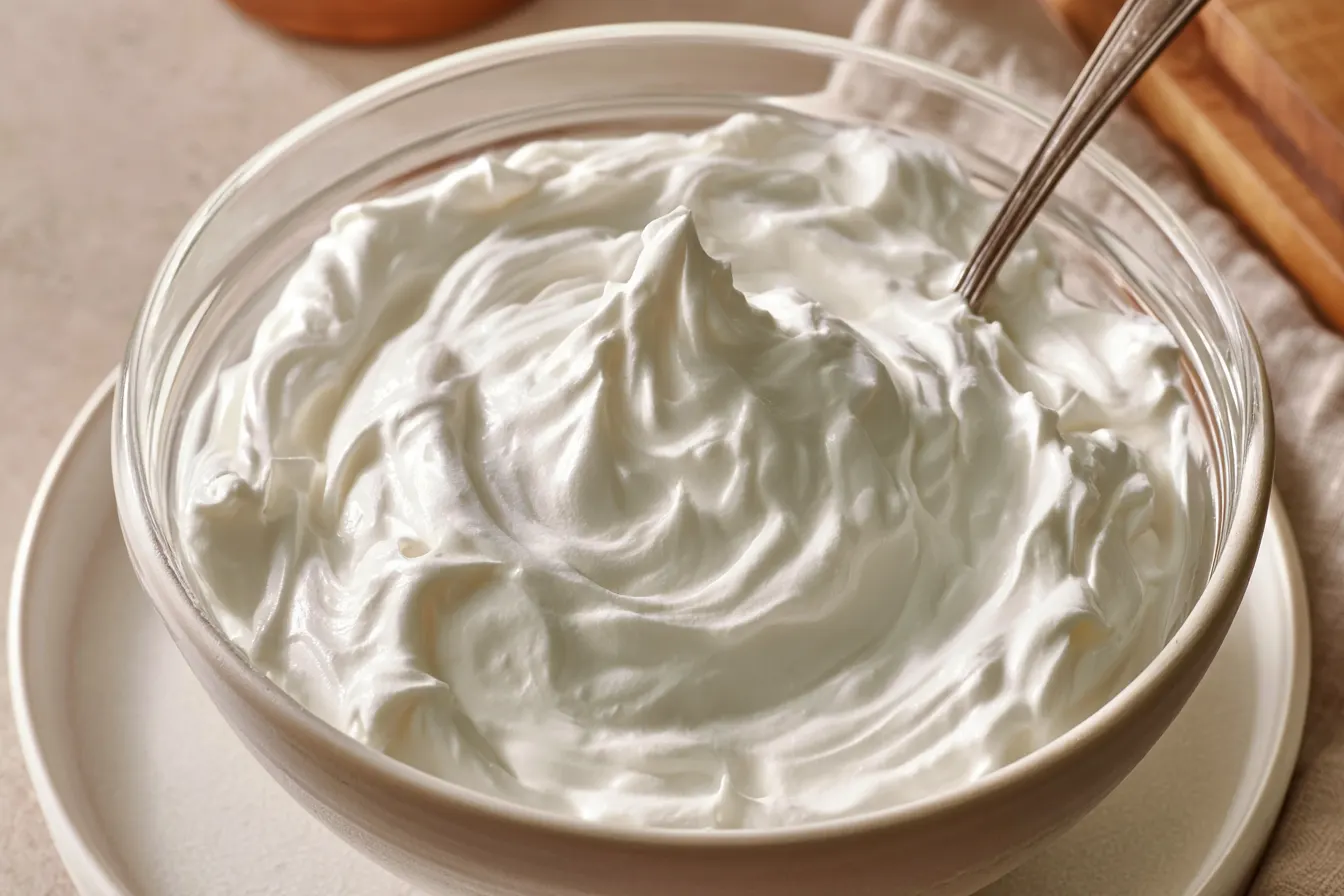
There are few sounds more satisfying in the kitchen than the rhythmic whir of a mixer transforming humble liquid into luscious, cloud-like peaks. Or perhaps the gentle simmer of a sauce, thickening to a silky consistency that promises pure indulgence. Both of these magical kitchen moments, and so many more, owe their existence to one unsung hero of the dairy aisle: heavy cream. If you’ve ever paused in the grocery store, staring at the various cartons and wondering, “What is heavy cream, really?” then you’re in the right place.
For years, I treated heavy cream as a mystical ingredient, something to be used sparingly for special occasions, almost as if it possessed some secret power I wasn’t privy to. I knew it made things rich and delicious, but the science behind its magic, and the versatility beyond whipped cream, remained a bit of a mystery. Over time, through countless cooking experiments and a few glorious failures, I’ve come to understand and appreciate this dairy superstar.
It’s not just for dessert, although it excels there. This ingredient is a cornerstone in savory dishes, adding body to soups, richness to pasta sauces, and tenderness to baked goods. Understanding its composition and how it behaves is key to unlocking a whole new level of culinary confidence.

Let’s cut right to the chase: heavy cream, often labeled as “heavy whipping cream,” is simply the high-fat part of milk that rises to the top during processing. Dairy manufacturers skim this off, pasteurize it, and sometimes homogenize it. The key differentiator is its fat content, which is legally required to be at least 36%. This high fat percentage is what gives heavy cream its signature richness, its ability to thicken sauces without curdling, and its unparalleled capacity to be whipped into stable, fluffy peaks.
Think of it as milk’s concentrated essence of decadence. While other dairy products like half-and-half or light cream contain less fat, making them unsuitable for whipping or for achieving the same level of richness, heavy cream delivers on both fronts. Its robust fat content means it can withstand higher temperatures without breaking, making it a reliable choice for cooking.
The Science of Cream: Why Fat Matters
The reason heavy cream performs so uniquely boils down to its fat globules. These tiny pockets of fat are what give cream its luxurious mouthfeel and its ability to transform. When you whisk heavy cream, you’re essentially forcing air into the liquid, and the fat globules trap those air bubbles, creating a stable foam. The higher the fat content, the more effectively these globules can form a strong network, resulting in a firmer, more stable whipped cream.
This stability is also why it’s so good in cooking. The fat acts as an emulsifier, helping to bind ingredients together and prevent separation. It also coats your palate, contributing to that satisfying, full-bodied sensation we crave in creamy dishes. It’s a culinary workhorse, providing both texture and flavor.
Deciphering Dairy: Heavy Cream vs. Its Cousins
The dairy aisle can be a confusing place. There’s heavy cream, whipping cream, light cream, half-and-half – what’s the difference, and when should you use each? It all comes down to fat content.
Heavy Whipping Cream vs. Whipping Cream
You’ll often see “heavy cream” and “heavy whipping cream” used interchangeably, and for good reason: they are essentially the same product with a minimum of 36% milk fat. “Light whipping cream,” however, contains 30-35% milk fat. While you can whip light whipping cream, it won’t hold its shape quite as well or for as long as its heavier counterpart. For stable whipped toppings or robust sauces, stick with heavy.
Light Cream & Half-and-Half
Light cream typically has 18-30% milk fat, while half-and-half is an even lighter blend of milk and cream, usually around 10.5-18% milk fat. These are fantastic for coffee, adding to cereal, or for lighter sauces where you don’t need the richness or thickening power of heavy cream. However, trying to whip them is generally futile, and they are much more prone to curdling if boiled.
Crème Fraîche & Sour Cream
While also dairy products, crème fraîche and sour cream are distinct. Crème fraîche is a cultured cream with about 30-45% fat, tangy in flavor, and less prone to curdling than sour cream, making it excellent for cooking. Sour cream, typically around 18-20% fat, is also cultured but has a more pronounced tartness and a tendency to curdle if heated too vigorously, so it’s usually stirred in at the end of cooking or used as a topping.

Unlocking Culinary Potential: How to Use Heavy Cream
Now for the fun part: using this magnificent ingredient! Its applications are incredibly diverse, spanning both sweet and savory realms.
Sweet Indulgences
The most famous use, of course, is whipped cream. But beyond that, it’s essential for making rich ganaches for cakes, creamy fillings for tarts, and velvety smooth ice creams. It also plays a starring role in classic desserts like panna cotta, crème brûlée, and mousses, providing that signature melt-in-your-mouth texture.
Savory Sensations
In savory cooking, heavy cream is a secret weapon for adding unparalleled richness and body. It’s the base for countless creamy pasta sauces, from classic Alfredo to decadent vodka sauce. It enriches gratins, adds a silky finish to soups and stews, and creates tender, flavorful braises. A splash of heavy cream can transform a simple pan sauce into something truly restaurant-worthy.
It’s also surprisingly good in certain marinades, tenderizing meats and infusing them with flavor. Don’t underestimate its ability to elevate everyday dishes into something extraordinary.
Mastering the Whip: Tips for Perfect Whipped Cream
Achieving perfectly stable, fluffy whipped cream is a rite of passage for any home cook. It’s simple, but a few tricks make all the difference.
Chilling is Key
Always start with very cold heavy cream. Even better, chill your mixing bowl and whisk attachment for 10-15 minutes in the freezer before you begin. Cold temperatures help the fat globules emulsify more efficiently and incorporate air better, leading to a much more stable end product.
Gradual Sweetening
If you’re sweetening your whipped cream, add powdered sugar (confectioners’ sugar) slowly once the cream has started to thicken slightly. Powdered sugar contains a small amount of cornstarch, which helps stabilize the whipped cream, preventing it from weeping. Granulated sugar can sometimes make the cream grainy if not fully dissolved.
Don’t Overdo It
Whip until soft peaks form for a luscious, flowing texture, or until stiff peaks form for a more structured topping that holds its shape. But be careful not to over-whip! If you go too far, the cream will start to separate, become grainy, and eventually turn into butter. Stop the mixer as soon as it reaches your desired consistency.

Tip: If you accidentally over-whip your cream slightly and it looks a little grainy, sometimes you can rescue it by slowly whisking in a tablespoon or two of fresh, cold heavy cream by hand until it smooths out. This works best if it’s only slightly over-whipped, not on the verge of turning to butter.
Storage Savvy: Keeping Your Cream Fresh
Heavy cream is a perishable dairy product, so proper storage is important. Always keep it refrigerated at a consistent cool temperature. Once opened, it typically lasts about 5-7 days, though always check the “best by” date on the carton. You’ll know it’s gone bad if it smells sour, tastes off, or has visible mold.
Can you freeze heavy cream? Yes, but with caveats. While it’s safe to freeze, the texture can change significantly upon thawing. It often becomes grainy or slightly separated, making it less ideal for whipping. However, it’s perfectly fine for use in cooked dishes like soups, sauces, or baked goods where the texture change won’t be noticeable. Freeze it in ice cube trays for convenient portioning, then transfer the frozen cubes to an airtight bag.
Frequently Asked Questions About Heavy Cream
Can I substitute milk for heavy cream in recipes?
Generally, no, not directly. Milk has a much lower fat content, so it won’t provide the same richness, thickening, or ability to whip. If you need a substitute for cooking (not whipping), you can try a combination of milk and butter: melt 2 tablespoons of unsalted butter and whisk it into 3/4 cup of milk to create a cream-like mixture. This won’t perfectly mimic heavy cream but can work in a pinch for some sauces.
Is heavy cream keto-friendly?
Yes, heavy cream is often considered keto-friendly. It’s high in fat and very low in carbohydrates, making it a popular ingredient in many ketogenic recipes for adding richness without adding significant carbs. Always check the label for exact nutritional information, as some brands might contain hidden sugars or thickeners, though this is rare for plain heavy cream.
What’s the difference between UHT (ultra-pasteurized) and regular heavy cream?
UHT cream is heated to a much higher temperature for a shorter period, extending its shelf life significantly, even before opening. While convenient, some chefs find that UHT cream doesn’t whip as well or hold its peaks as long as traditionally pasteurized cream due to changes in its protein structure from the intense heat. For best results with whipped cream, opt for traditionally pasteurized if available.
Can I make my own heavy cream at home?
While you can’t magically increase the fat content of regular milk to turn it into heavy cream, you can create a reasonable substitute for cooking (again, not whipping). Blend full-fat milk with unsalted butter using an immersion blender until emulsified. A common ratio is 1/4 cup melted butter to 3/4 cup whole milk. This will give you a mixture that resembles heavy cream in richness and can be used in many savory applications.
Does heavy cream contain lactose?
Yes, heavy cream contains lactose, which is the natural sugar found in milk. However, because it’s mostly fat, it contains less lactose per serving than milk. Some people with mild lactose intolerance might tolerate small amounts of heavy cream better than milk, but for severe intolerance, lactose-free heavy cream or dairy-free alternatives would be necessary.
So there you have it – the full scoop on heavy cream. It’s not just a fancy ingredient; it’s a versatile, essential component in a huge array of recipes, capable of transforming simple dishes into truly memorable culinary experiences. Go forth and cream confidently!

Homemade Whipped Cream (The Perfect Topping)
Learn how to make the perfect homemade whipped cream with just a few ingredients for any dessert.
📝 Ingredients
👩🍳 Instructions
- 1Place a large mixing bowl (preferably metal or glass) and your whisk attachment (for a stand mixer or hand mixer) in the freezer for 10-15 minutes to chill thoroughly. This step is crucial for stable whipped cream.
- 2Remove the chilled bowl and whisk from the freezer. Pour the cold heavy cream into the bowl. Start whipping on medium-low speed with an electric mixer (stand mixer with whisk attachment or hand mixer).
- 3Once the cream starts to thicken slightly and gets foamy (after about 1-2 minutes), gradually add the powdered sugar, one tablespoon at a time, while continuing to whip. Add the vanilla extract.
- 4Increase the speed to medium-high and continue whipping until the cream reaches your desired consistency. For soft peaks (good for dolloping), stop when the cream holds its shape but the peaks gently curl over. For stiff peaks (good for piping), continue until the peaks stand straight up when you lift the whisk.
- 5Be careful not to over-whip, as it can quickly turn grainy and then into butter. Stop as soon as it reaches the desired firmness. Serve immediately or store covered in the refrigerator for up to 2-3 days.
💡 Notes
For a richer flavor, consider using pure vanilla bean paste instead of extract. For a dairy-free option, chilled full-fat coconut cream can be whipped similarly, though it will have a distinct coconut flavor. Adjust sugar to your preference; some prefer it less sweet, others more.