


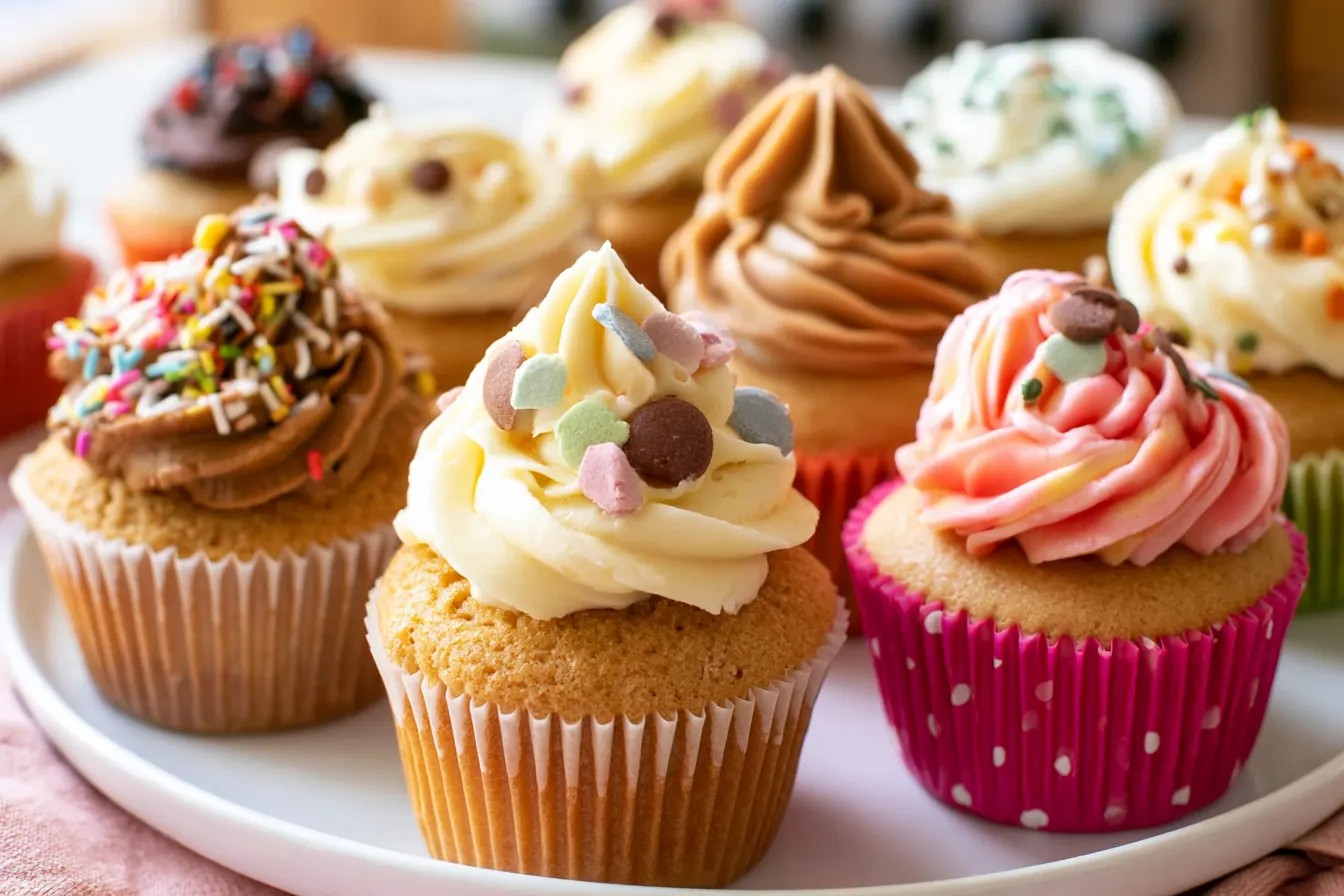
Ever had one of those moments? You bake a batch of cupcakes, you pull them from the oven, they look absolutely perfect – golden brown, domed tops, smelling divine. You let them cool, you frost them, and then you bite in, expecting a cloud of tender sweetness, only to be met with… a crumbly, dry disappointment. It’s happened to the best of us, and trust me, it used to haunt my baking dreams! But over the years, through countless experiments (and a few more dry batches than I care to admit), I’ve cracked the code on precisely how to make cupcakes moist every single time.
- Unlocking the Secret to Perfectly Moist Cupcakes
- Techniques That Guarantee a Tender Crumb
- Step-by-Step for the Ultimate Moist Cupcakes
- Common Mistakes to Sidestep for Moist Cupcakes
- Your Burning Questions Answered: FAQ
- Beyond the Basic: Flavor Variations for Moist Cupcakes
- The Sweet Conclusion: Your Journey to Perfect Cupcakes

Unlocking the Secret to Perfectly Moist Cupcakes
So, what exactly makes a cupcake moist? It’s not just one thing, but a beautiful synergy of ingredients and method. Think of it like a carefully orchestrated symphony, where each element plays a crucial part in the final, harmonious bite. We’re aiming for that delicate balance where the cake is rich without being heavy, and tender without being fragile.The Foundation: Key Ingredients for Moisture
The journey to an ultra-moist cupcake begins long before the oven preheats. It starts with selecting the right players for your batter.Fats: More Than Just Flavor
Fats are your primary weapon in the fight against dryness. They coat flour particles, preventing excessive gluten development, which can lead to a tough crumb. Butter, oil, and even sour cream or yogurt all contribute unique qualities. Butter: Offers incredible flavor and richness. When creamed with sugar, it incorporates air, leading to a lighter texture. However, butter is only about 80% fat and contains water, which can evaporate during baking. Oil: Pure fat, 100%. This means it won’t evaporate like the water in butter, resulting in a consistently moist crumb that stays soft longer. Often, a combination of butter for flavor and oil for moisture is the ultimate dream team. Sour Cream, Yogurt, or Buttermilk: These acidic dairy products are phenomenal for moisture. Their acidity reacts with baking soda to create a tender crumb, and their fat content adds richness. They also break down gluten, further contributing to softness.Sugars: Sweetness and So Much More
Sugar isn’t just for sweetness; it’s a humectant, meaning it attracts and retains moisture. Granulated sugar, brown sugar, and even syrups like honey or maple syrup all play a role. Granulated Sugar: Provides structure and tenderizes the crumb. Brown Sugar: Contains molasses, which is hydroscopic (water-attracting). This makes brown sugar an excellent choice for extra moist baked goods. It also adds a lovely depth of flavor.Eggs: The Binder and the Lift
Eggs serve multiple purposes: they bind ingredients, add richness, and contribute to leavening. The fat in egg yolks also aids in moisture. Using whole eggs or sometimes an extra yolk can lead to a more tender, moist result.Flour: The Silent Stabilizer
While flour provides structure, too much can lead to a dry, dense cupcake. Using cake flour (which has a lower protein content) or ensuring you measure your all-purpose flour correctly (spoon and level, don’t scoop!) is crucial. Over-mixing the flour can develop too much gluten, making your cupcakes tough.
Techniques That Guarantee a Tender Crumb
Beyond the ingredients, *how* you combine and bake them makes all the difference. These techniques are your secret weapons for achieving that coveted moist texture.Temperature Matters: Room Temperature Ingredients
This is a non-negotiable step for many bakers, and for good reason! Room temperature butter, eggs, and dairy emulsify much better, creating a smooth, homogenous batter that traps air efficiently. This trapped air translates to a lighter, more tender, and ultimately moister cupcake. Cold ingredients can lead to a lumpy batter and a denser crumb.The Creaming Method: Air and Lightness
For butter-based recipes, creaming softened butter with sugar until light and fluffy is essential. This process incorporates air, which creates tiny pockets in the batter that expand during baking, resulting in a lighter texture. Don’t rush this step; it can take 3-5 minutes.Don’t Overmix: The Gluten Trap
Once you add flour to your wet ingredients, mix *just* until combined. Overmixing develops gluten, which is great for chewy bread but terrible for tender cupcakes. Over-developed gluten leads to a tough, dry, and rubbery crumb. Stop mixing as soon as no dry streaks of flour remain.The Right Oven Temperature: A Gentle Bake
Baking at too high a temperature can cause the outside of the cupcake to set before the inside is fully cooked, leading to a dry crust and a dense interior. A moderate oven temperature (usually 325-350°F / 160-175°C) allows the cupcakes to bake evenly and gently, promoting a moist crumb.Don’t Overbake: The Cardinal Sin
This is perhaps the single most common culprit for dry cupcakes. Even a minute or two too long in the oven can suck out precious moisture. Start checking for doneness at the minimum bake time specified in the recipe. A toothpick inserted into the center should come out with moist crumbs, not wet batter, and certainly not completely clean and dry.
Step-by-Step for the Ultimate Moist Cupcakes
Let’s put all these golden nuggets of wisdom into action with a basic, incredibly moist vanilla cupcake recipe. This recipe is designed to showcase all the tips we’ve discussed, guaranteeing you a batch of cupcakes so tender, they’ll make you swoon.Gather Your Arsenal: Ingredients for Moist Vanilla Cupcakes
1 ½ cups (180g) all-purpose flour, spooned and leveled 1 ½ teaspoons baking powder ¼ teaspoon salt ½ cup (113g) unsalted butter, softened to room temperature 1 cup (200g) granulated sugar 2 large eggs, room temperature 1 teaspoon pure vanilla extract ½ cup (120ml) whole milk, room temperature ¼ cup (60g) full-fat sour cream or plain yogurt, room temperatureCrafting the Batter: The Journey to Tenderness
Prep Work and Dry Mix
Preheat your oven to 350°F (175°C). Line a 12-cup muffin tin with paper liners. In a medium bowl, whisk together the flour, baking powder, and salt. Set aside. This ensures the leavening is evenly distributed.Creaming the Butter and Sugar
In a large bowl with an electric mixer (stand or hand-held), beat the softened butter and granulated sugar on medium-high speed until light, fluffy, and pale in color, about 3-5 minutes. This is where you’re incorporating all that lovely air!Adding Eggs and Vanilla
Beat in the eggs one at a time, mixing well after each addition until just combined. Scrape down the sides of the bowl as needed. Stir in the vanilla extract.Alternating Wet and Dry
In a separate small bowl, whisk together the milk and sour cream (or yogurt). With the mixer on low speed, add about one-third of the dry ingredients to the butter mixture, mixing just until barely combined. Then add half of the milk mixture, mixing until just incorporated. Repeat with another third of the dry ingredients, then the remaining milk mixture, and finally the last of the dry ingredients. Tip: Always begin and end with the dry ingredients when alternating. This helps prevent the batter from breaking and ensures a smooth consistency.The Final Mix
Mix *just* until no streaks of flour remain. Be careful not to overmix! A few small lumps are better than a tough cupcake.Baking to Perfection: The Oven’s Role
Filling the Liners
Divide the batter evenly among the 12 prepared cupcake liners, filling each about two-thirds full.Bake and Cool
Bake for 18-22 minutes, or until a wooden skewer or toothpick inserted into the center of a cupcake comes out with moist crumbs, not wet batter. The tops should be lightly golden and spring back when gently pressed. Note: Ovens vary, so start checking at the 18-minute mark. Don’t be afraid to take them out a minute early rather than a minute late!Cooling Rack Time
Let the cupcakes cool in the muffin tin for 5-10 minutes before carefully transferring them to a wire rack to cool completely. Frosting warm cupcakes will result in a melty mess.Common Mistakes to Sidestep for Moist Cupcakes
Even with the best intentions, it’s easy to fall into common baking traps. Knowing what to watch out for can save your cupcakes!Measuring Flour Incorrectly
Scooping flour directly from the bag compacts it, leading you to use too much. Too much flour means too much gluten development and a dry, dense cupcake. Always spoon flour into your measuring cup and level it off with a straight edge.Using Cold Ingredients
As mentioned, cold butter and eggs don’t emulsify properly, leading to a less airy and potentially denser crumb. Plan ahead and let your dairy and eggs come to room temperature.Overmixing the Batter
This bears repeating! Once the flour hits the wet ingredients, gluten begins to develop. Overmixing leads to excessive gluten, which makes your cupcakes tough and dry, almost chewy. Mix until just combined.Overbaking
The number one culprit for dry cupcakes. The moment a cupcake is fully baked, it starts to lose moisture. Keep a close eye on them and remove them from the oven as soon as they’re done.Not Storing Properly
Even perfectly moist cupcakes can dry out if left exposed to air. Store them in an airtight container at room temperature for up to 2-3 days, or in the refrigerator for longer.Your Burning Questions Answered: FAQ
Why are my cupcakes dry and crumbly even though I followed the recipe?
Most likely, you either overbaked them or overmixed the batter, developing too much gluten. Incorrect flour measurement (too much flour) can also be a culprit. Ensure your oven temperature is accurate and mix just until combined.Can I use milk instead of sour cream in a cupcake recipe?
While milk adds moisture, sour cream (or yogurt) adds fat and acidity, which contribute significantly more to a tender, moist crumb. You can substitute with buttermilk for similar results, but if using regular milk, your cupcakes might be slightly less moist.What’s the best way to keep cupcakes moist after baking?
Once completely cooled, store your cupcakes in an airtight container at room temperature. For frosted cupcakes, a cake dome or a large container works well. Avoid refrigerating unfrosted cupcakes, as the cold air can dry them out faster.Does adding pudding mix really make cupcakes moister?
Yes, it can! Instant pudding mix contains cornstarch, which is a thickener and a humectant. It absorbs moisture and helps keep the cake tender and moist for longer. It’s a great little trick for an extra boost of softness.My cupcakes always sink in the middle. What am I doing wrong?
Sinking centers can be due to several issues: opening the oven door too early (before the structure is set), too much leavening, old or inactive leavening agents, or underbaking. Ensure your baking powder/soda is fresh and resist the urge to peek during the first two-thirds of the baking time.Beyond the Basic: Flavor Variations for Moist Cupcakes
Now that you’ve mastered the art of the moist cupcake, the world of flavors is your oyster! These techniques apply to almost any cupcake recipe, allowing you to create endless variations.Chocolate Indulgence
For chocolate cupcakes, incorporating a bit of strong brewed coffee or espresso can deepen the chocolate flavor and also contribute to moisture. Using both cocoa powder and melted chocolate can provide a richer, more complex taste.Lemon Zest and Zing
Lemon zest and a touch of lemon juice in the batter add brightness. To prevent too much acidity from curdling, ensure your milk and sour cream are at room temperature. Lemon curd fillings also add a lovely burst of moisture and flavor.Fruity Delights
Mashed banana, shredded carrots, or pureed pumpkin naturally add moisture and a delightful texture to cupcakes. Just be mindful of the added moisture and adjust flour slightly if the batter seems too wet. A touch of spice, like cinnamon or nutmeg, often pairs beautifully with these additions.Spice it Up
Cinnamon, nutmeg, cloves, and ginger can transform a simple vanilla base into something warm and inviting. These spices don’t directly add moisture, but they enhance the overall sensory experience of a comforting, moist cupcake.The Sweet Conclusion: Your Journey to Perfect Cupcakes
Baking, at its heart, is a labor of love, and there’s nothing quite as satisfying as sharing a perfectly baked treat. Armed with these tips and techniques on how to make cupcakes moist, you’re now ready to banish dry, crumbly cakes from your kitchen forever. Each step, from ingredient selection to the final cooling, plays a vital role. Don’t be afraid to experiment, and remember that baking is a journey of continuous learning. Your friends and family will thank you for these impossibly tender, flavorful cupcakes. So go forth, preheat that oven, and bake with confidence!
Ultimate Moist Vanilla Cupcakes
Learn the secrets to baking incredibly tender and moist vanilla cupcakes every single time with these expert tips and a fool-proof recipe.
📝 Ingredients
👩🍳 Instructions
- 1Preheat your oven to 350°F (175°C). Line a 12-cup muffin tin with paper liners. In a medium bowl, whisk together the flour, baking powder, and salt. Set aside.
- 2In a large bowl with an electric mixer, beat the softened butter and granulated sugar on medium-high speed until light, fluffy, and pale in color, about 3-5 minutes, scraping down the bowl as needed.
- 3Beat in the eggs one at a time, mixing well after each addition until just combined. Stir in the vanilla extract.
- 4In a separate small bowl, whisk together the milk and sour cream (or yogurt).
- 5With the mixer on low speed, add about one-third of the dry ingredients to the butter mixture, mixing just until barely combined. Then add half of the milk mixture, mixing until just incorporated. Repeat with another third of the dry ingredients, then the remaining milk mixture, and finally the last of the dry ingredients.
- 6Mix just until no streaks of flour remain. Be careful not to overmix; a few small lumps are better than a tough cupcake.
- 7Divide the batter evenly among the 12 prepared cupcake liners, filling each about two-thirds full.
- 8Bake for 18-22 minutes, or until a wooden skewer or toothpick inserted into the center of a cupcake comes out with moist crumbs, not wet batter. The tops should be lightly golden and spring back when gently pressed.
- 9Let the cupcakes cool in the muffin tin for 5-10 minutes before carefully transferring them to a wire rack to cool completely before frosting.
💡 Notes
Ensure all cold ingredients are at room temperature for best results. Do not overbake; this is the number one cause of dry cupcakes. Store cooled cupcakes in an airtight container at room temperature for up to 3 days to maintain moisture. For variations, consider adding citrus zest, a teaspoon of cinnamon, or a tablespoon of cocoa powder to the dry ingredients.