


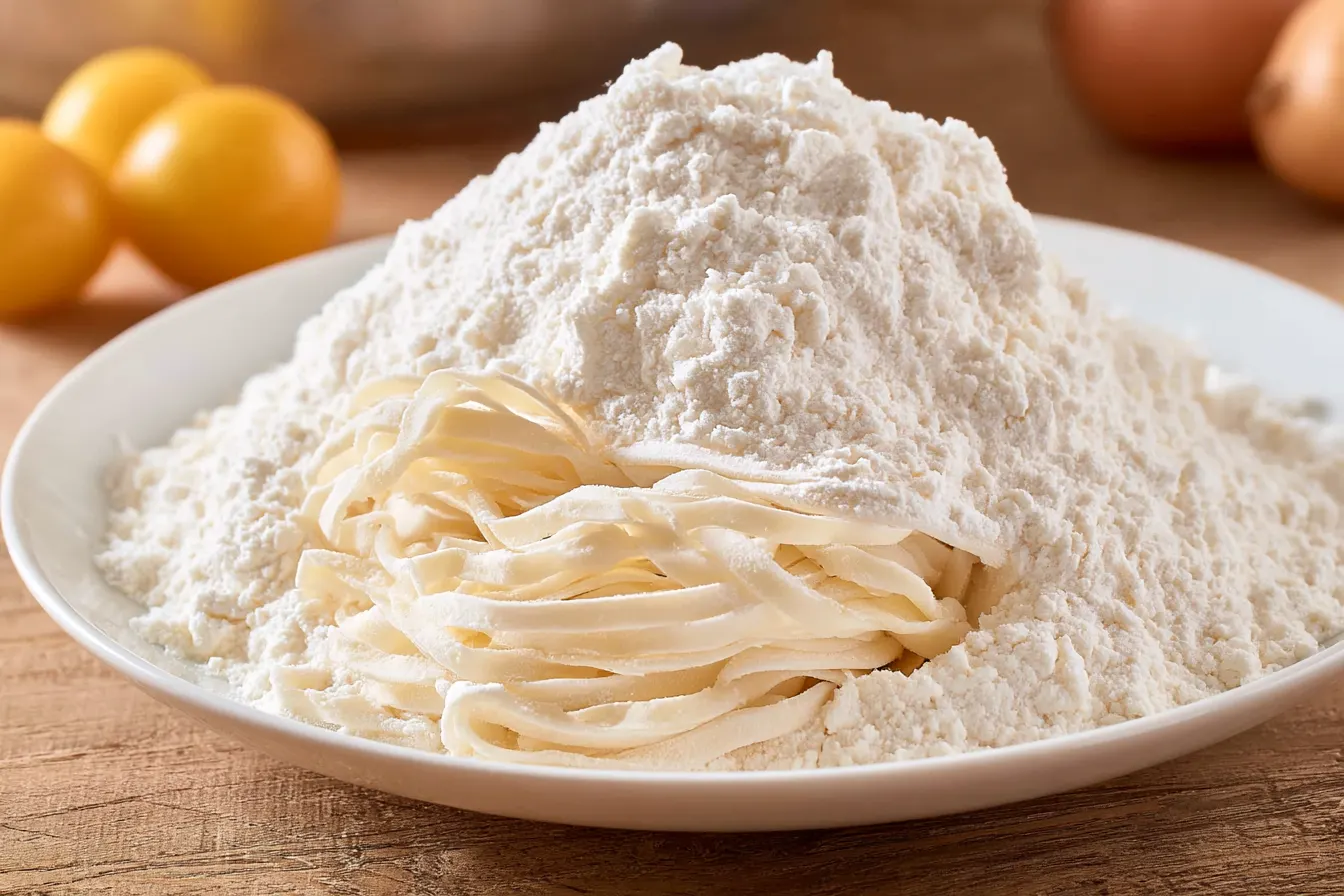
Have you ever wondered why some pizzas taste like they’ve been kissed by angels, with crusts that are both impossibly tender and delightfully crisp? Or why homemade pasta sometimes feels a little…chewy? Chances are, the secret ingredient, or rather, the secret flour, might just be 00 flour. It’s more than just a fancy Italian label; it’s a game-changer for specific culinary creations, and understanding its magic can elevate your baking from good to truly extraordinary.

What Makes 00 Flour Special?
The magic of 00 flour lies in its unique combination of fine texture and balanced protein. This isn’t just about making things “fancy”; it genuinely impacts the end product.The Grind Factor
The incredibly fine grind means that 00 flour absorbs liquids more quickly and evenly than coarser flours. This leads to a smoother, more pliable dough that’s a joy to knead and shape. It’s less prone to tearing, which is crucial when you’re rolling out delicate pasta sheets or stretching a pizza base paper-thin. When you touch it, it feels almost like cornstarch, but with all the gluten-forming power of wheat.Protein & Gluten Development
While its fineness is its most defining characteristic, the protein content of 00 flour is equally important. Most 00 flours are made from soft wheat, giving them a medium protein level. This means they develop just enough gluten for structure and chewiness, without becoming tough or overly elastic. For pizza, this translates to a crust with that signature crisp exterior and airy, tender interior. For pasta, it means a silky, toothsome bite that truly sings. Think about it: an all-purpose flour might give you a decent pizza, but it won’t have that delicate chew and crispness of an authentic Neapolitan crust. A bread flour, with its higher protein, would make a tough, overly chewy pasta. 00 flour strikes the perfect balance.Common Uses for 00 Flour
Now that we understand what makes this flour tick, let’s talk about where it truly shines. While you can technically substitute it in some recipes, using it for its intended purpose is where you’ll see the most impressive results.Pizza Perfection
This is arguably the most famous application for 00 flour. If you dream of making genuine Neapolitan-style pizza at home, 00 flour is non-negotiable. Its fine texture and balanced protein create a dough that stretches beautifully, bakes up with a light, airy crumb, and achieves that coveted crispy-chewy crust with leopard-spot charring in a hot oven. It’s the secret to those puffy, delectable cornicione (crust edges).Silky Smooth Pasta
For homemade pasta, 00 flour provides a dough that is incredibly smooth, elastic, and easy to work with, whether you’re using a hand-crank machine or rolling by hand. The resulting pasta has a delicate texture and a wonderful ‘al dente’ bite that stands up to rich sauces without becoming heavy or gluey. Once you make fresh pasta with 00, you’ll find it hard to go back!
Delicate Baked Goods
While not its primary use, 00 flour can also be wonderful in certain delicate baked goods, particularly those of Italian origin. Think focaccia, some types of artisanal breads, or even delicate pastries where a fine crumb and tender texture are desired. It can produce a softer crumb in cakes and cookies compared to all-purpose flour, though you might need to adjust liquid slightly.Comparing 00 Flour to Other Flours
It’s helpful to understand how 00 flour stacks up against the more common flours in your pantry.00 Flour vs. All-Purpose Flour
The biggest difference is the grind. All-purpose flour is coarser and has a wider range of protein content depending on the brand and region (typically 10-12%). While AP flour is a jack-of-all-trades, 00 flour is a specialist. For pizza and pasta, 00 flour will give you a superior texture. For general baking like cookies or cakes, AP flour is usually perfectly fine.00 Flour vs. Bread Flour
Bread flour is designed for high-protein content (12-14% or more) to develop strong gluten for chewy, airy bread. While great for artisan loaves, this high protein would make pasta tough and pizza crust overly dense and chewy. 00 flour has a lower protein content, making it less robust in gluten development, which is exactly what you want for delicate doughs.00 Flour vs. Semolina Flour
Semolina flour, made from durum wheat, is another popular choice for pasta. It’s coarser than 00 flour and typically has a higher protein content. Pasta made with semolina often has a firmer, chewier bite and a slightly yellowish hue. Many traditional pasta recipes use a blend of 00 and semolina for a balance of tenderness and chew.What to Do If You’ve Run Out of 00 Flour
Ah, the dreaded moment when you’re mid-recipe and realize you’re missing that key ingredient! While a true 1:1 substitute for 00 flour is tricky due to its unique grind and protein balance, you do have options depending on what you’re making.For Pizza or Flatbreads:
If you’re aiming for a Neapolitan-style crust, there’s really no perfect substitute. However, if you’re making a more generic homemade pizza, a good quality unbleached all-purpose flour with a protein content around 11-12% can work. You might find the crust isn’t quite as tender or airy, but it will still be delicious.Tip: If using all-purpose flour for pizza, consider a slightly longer fermentation time in the fridge to help develop more complex flavors and a bit more extensibility, mimicking some of the qualities of 00 flour.
For Fresh Pasta:
For fresh pasta, a mix can be your best friend. Try a blend of equal parts all-purpose flour and semolina flour. The semolina will add that characteristic chew and golden color, while the all-purpose will provide some tenderness. Alternatively, just using all-purpose flour will work, but the pasta might be a little softer and less ‘al dente’ than with 00.For Delicate Baked Goods:
If a recipe calls for 00 flour in something like focaccia or a delicate cake, you can usually substitute it directly with unbleached all-purpose flour. The texture might be slightly different, perhaps a touch denser, but it won’t ruin the dish. Remember, substitutions are about getting the job done. While the results might not be identical to using 00 flour, they’ll still yield tasty homemade goodness.
Making a Simple 00 Flour Pasta Dough
Ready to experience the magic for yourself? This basic pasta dough recipe is incredibly forgiving and a fantastic way to get started with 00 flour.Ingredients You’ll Need
2 cups (240g) 00 flour, plus more for dusting 3 large eggs, at room temperature 1 tablespoon olive oil (optional, but adds a nice silkiness) 1/2 teaspoon saltCrafting Your Pasta Dough
1. Mound the Flour: On a clean, large work surface (like a wooden board or a clean countertop), pile the 00 flour into a mound. Use your hand or a spoon to create a deep well in the center, like a volcano. 2. Add Wet Ingredients: Crack the eggs into the well. Add the olive oil (if using) and salt. 3. Incorporate Gradually: Using a fork, gently whisk the eggs, olive oil, and salt in the center of the well. Slowly begin to incorporate small amounts of flour from the inner walls of the well into the liquid. Continue this process, being careful not to let the liquid burst through the flour walls. 4. Form the Dough: As the mixture thickens, it will become too difficult to use a fork. At this point, use a bench scraper or your hands to gently bring the remaining flour into the shaggy dough. Knead everything together until it forms a cohesive ball. 5. Knead Thoroughly: This is where the magic happens! Knead the dough vigorously for 8-10 minutes. Use the heel of your hand to push the dough away from you, fold it over, rotate, and repeat. The dough will start off shaggy and sticky, but as you knead, it will become smooth, elastic, and firm. It should bounce back when lightly pressed. 6. Rest the Dough: Form the kneaded dough into a ball. Lightly dust it with a little more 00 flour, then wrap it tightly in plastic wrap. Let it rest at room temperature for at least 30 minutes, or up to an hour. This resting period is crucial; it allows the gluten to relax, making the dough much easier to roll and shape. 7. Roll and Shape: Once rested, unwrap the dough. Cut it into manageable portions (usually quarters). Keep the unused portions wrapped to prevent them from drying out. Dust your work surface and rolling pin (or pasta machine) with a small amount of flour. Roll out the dough thinly to your desired thickness for whatever pasta shape you’re making – tagliatelle, fettuccine, ravioli, etc. 8. Cook Your Pasta: Bring a large pot of heavily salted water to a rolling boil. Add your fresh pasta and cook for just 2-4 minutes, depending on thickness, until al dente. Fresh pasta cooks much faster than dried! Drain and toss with your favorite sauce.Note: Don’t be tempted to add too much extra flour during the kneading or rolling process. A light dusting is fine, but excessive flour will make your pasta tough.
Frequently Asked Questions About 00 Flour
Can I use 00 flour for sourdough bread?
While you *can* use it, 00 flour isn’t typically the best choice for sourdough bread. Its lower protein content compared to bread flour means it won’t develop the strong gluten network needed for a really open, airy crumb and good oven spring in a traditional sourdough loaf. For sourdough, you generally want higher protein flours.Is 00 flour bleached or unbleached?
Most 00 flour available for home use is unbleached. The “00” classification refers to the fineness of the grind, not whether it’s bleached. However, always check the packaging if you have a specific preference, as practices can vary by manufacturer.Does 00 flour have a different flavor?
In itself, 00 flour doesn’t have a dramatically different flavor profile from other wheat flours. Its magic is in its *texture*. However, because it’s so often used in traditional Italian recipes, the dishes it creates often have a distinct flavor due to the cooking methods and other ingredients used.Where can I buy 00 flour?
You’ll often find 00 flour in specialty Italian markets, natural food stores, or the international aisle of larger supermarkets. Many grocery stores are now stocking it due to its growing popularity. Online retailers are also a great source, often offering a wider selection of brands.How should I store 00 flour?
Like all flours, 00 flour should be stored in an airtight container in a cool, dry, dark place. This prevents it from absorbing moisture, developing off-flavors, or attracting pests. For extended storage, especially in warm climates, you can keep it in the refrigerator or freezer.
Homemade 00 Flour Pasta Dough
Craft silky, tender fresh pasta at home with this simple recipe using authentic 00 flour for superior texture.
📝 Ingredients
👩🍳 Instructions
- 1On a clean, large work surface, pile the 00 flour into a mound and create a deep well in the center.
- 2Crack the eggs into the well, then add the olive oil (if using) and salt.
- 3Using a fork, gently whisk the wet ingredients, gradually incorporating small amounts of flour from the inner walls of the well.
- 4As the mixture thickens, use a bench scraper or your hands to bring the remaining flour into the shaggy dough. Knead everything together until it forms a cohesive ball.
- 5Knead the dough vigorously for 8-10 minutes until it becomes smooth, elastic, and firm, bouncing back when lightly pressed.
- 6Form the kneaded dough into a ball, lightly dust with 00 flour, and wrap tightly in plastic wrap. Let it rest at room temperature for at least 30 minutes, or up to an hour.
- 7Once rested, unwrap the dough. Cut into manageable portions (e.g., quarters), keeping unused portions wrapped. Lightly dust your work surface and rolling pin or pasta machine with flour.
- 8Roll out the dough thinly to your desired thickness for your chosen pasta shape (e.g., tagliatelle, fettuccine, ravioli).
- 9Bring a large pot of heavily salted water to a rolling boil. Add your fresh pasta and cook for 2-4 minutes, depending on thickness, until al dente. Drain and toss with your favorite sauce.
💡 Notes
For best results, use a kitchen scale to measure your flour accurately. If the dough feels too dry, add a tiny bit of water (1/2 tsp at a time); if too wet, dust with a little more 00 flour. Avoid over-flouring during rolling to maintain a tender texture. Fresh pasta cooks quickly, so taste frequently!