


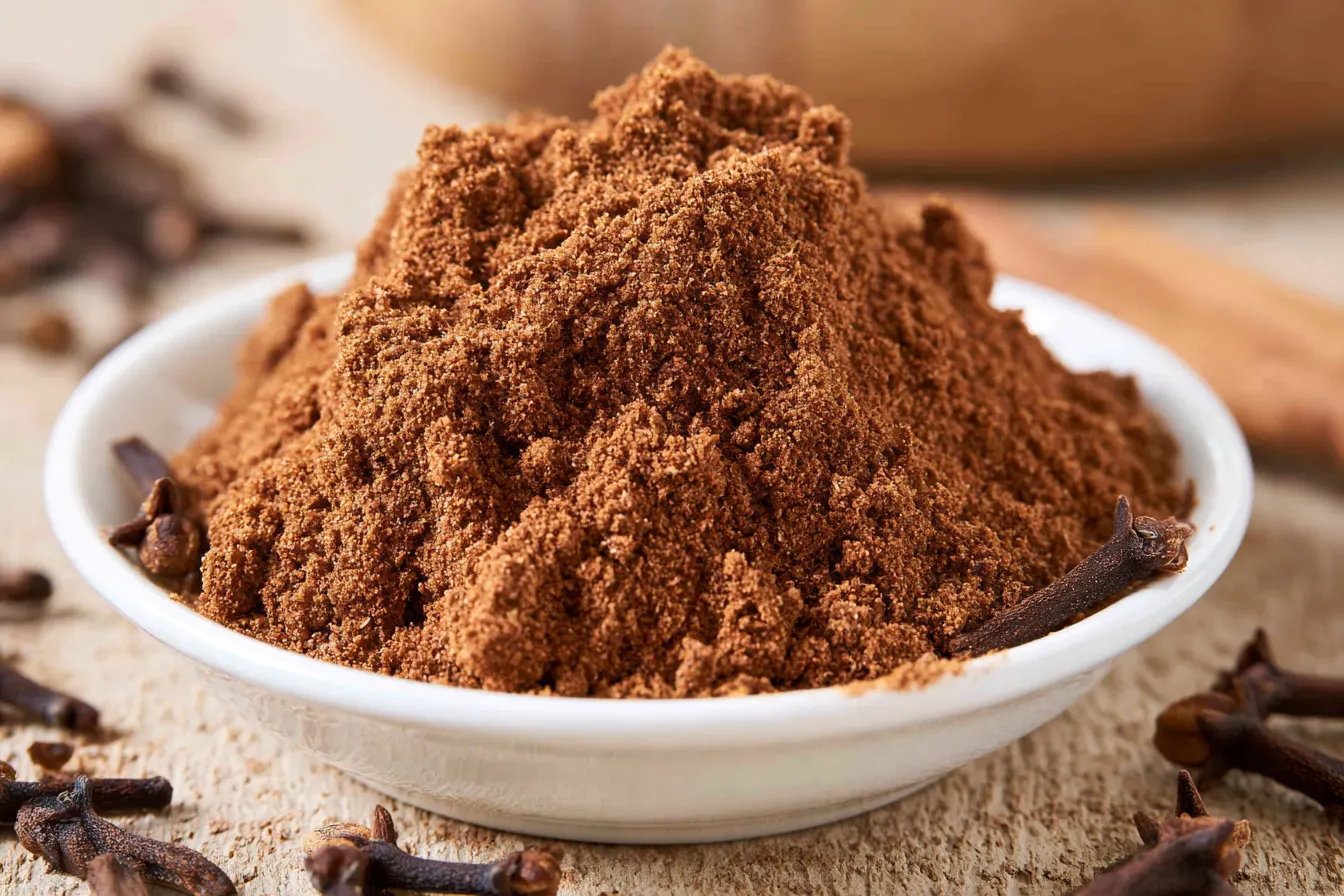
Ever been halfway through a recipe, apron dusted with flour, only to realize your spice cabinet is playing hide-and-seek with the ground cloves? It’s happened to me more times than I care to admit, usually when I’m deep into a holiday baking frenzy. That panic moment can quickly derail your culinary plans, but fear not! You’ve got options, and I’m here to walk you through the very best ground cloves substitute so your dish never misses a beat.
- Why Finding a Good Substitute Matters
- The Best Ground Cloves Substitutes: Your Spice Cabinet Saviors
- Making the Best Choice: Considerations for Your Dish
- How to Use Your Chosen Substitute
- Quick Tips for Success
- What About Whole Cloves?
- FAQ: Your Ground Cloves Substitute Questions Answered
- Can I just leave out ground cloves if I don’t have any substitutes?
- What’s the difference between ground cloves and whole cloves in terms of substitution?
- Which substitute is best for savory dishes like stews or curries?
- Can I make my own “clove blend” with other spices?
- Does the freshness of the substitute spice matter?

Why Finding a Good Substitute Matters
You might think, “Can’t I just leave it out?” And sometimes, yes, you can. But in many recipes, especially those where cloves are a prominent flavor — like a spice cake or a rich stew where it provides a balancing warmth — simply omitting it will leave your dish feeling a bit flat or incomplete. A good ground cloves substitute ensures that the overall flavor profile remains harmonious and delicious, even if it’s not identical. It’s about maintaining balance and depth.The Best Ground Cloves Substitutes: Your Spice Cabinet Saviors
When you’re in a pinch, these are the spices you’ll want to reach for. Each offers a different facet of clove’s personality, so understanding their nuances will help you choose the right one for your specific recipe.Allspice: The Go-To Alternative
If there’s one spice that comes closest to mimicking the complex profile of cloves, it’s allspice. As its name suggests, allspice tastes like a blend of several spices, including cloves, nutmeg, and cinnamon. It’s warm, sweet, and slightly peppery, making it an excellent one-to-one replacement for ground cloves in most recipes. Use it in baked goods, savory dishes, and even beverages. If your recipe calls for 1 teaspoon of ground cloves, you can confidently use 1 teaspoon of ground allspice. It’s particularly fantastic in fruit-based desserts and anything with a Caribbean or Jamaican flair.Nutmeg: Subtle Warmth and Sweetness
Ground nutmeg brings a sweet, warm, and slightly nutty flavor that complements many dishes where cloves are used. While it lacks the pungent, peppery kick of cloves, it provides a lovely aromatic depth. It’s a great choice when you need to maintain a warm, cozy flavor profile without overpowering other ingredients. For every 1 teaspoon of ground cloves, start with about ½ to ¾ teaspoon of ground nutmeg. You can always add a tiny pinch more if you feel the dish needs it, but remember that nutmeg can become quite dominant quickly. It’s especially good in creamy sauces, custards, and lighter baked goods.Cinnamon: A Familiar Comfort
Ah, cinnamon. It’s probably the most universally loved warm spice. While it’s sweeter and less pungent than cloves, it shares that comforting, woodsy aroma that’s so characteristic of many fall and winter dishes. If you’re out of both cloves and allspice, cinnamon is a reliable stand-in, particularly in sweet recipes. Use about an equal amount of ground cinnamon for the ground cloves called for. If the recipe relies heavily on the peppery notes of cloves, you might notice a slight difference, but the dish will still be delicious. Cinnamon is perfect for apple desserts, spiced coffees, and certain baked breads.Mace: Nutmeg’s Delicate Cousin
Mace is the lacy outer covering of the nutmeg seed, and it offers a more delicate, subtle version of nutmeg’s flavor profile. It’s warm, sweet, and slightly more pungent than nutmeg, making it a surprisingly good, albeit gentler, ground cloves substitute. If you have mace on hand, consider yourself lucky! You can use mace in a one-to-one ratio with ground cloves, especially in dishes where you want a lighter, brighter spice note. It’s excellent in light cakes, creamy soups, and certain savory meat dishes where you don’t want the spice to dominate.
Pumpkin Pie Spice or Apple Pie Spice Blends: The All-in-One Solution
These pre-made spice blends are designed to deliver that quintessential warm, autumnal flavor. They almost always contain a mix of cinnamon, nutmeg, ginger, and, crucially, cloves and/or allspice. If you have a jar of pumpkin pie spice, you’re essentially getting a ready-made ground cloves substitute, along with its best friends. Use an equal amount of pumpkin pie spice blend for the ground cloves called for in your recipe. Just be aware that the overall flavor profile will be broader due to the other spices present, which can be a good thing! It’s ideal for pies, muffins, and quick breads.Ginger: A Pungent Kick
Ground ginger offers a very different flavor profile from cloves – it’s zesty, spicy, and slightly peppery. However, its pungency and warmth can sometimes fill the void left by missing cloves, especially in recipes where a strong, vibrant spice note is desired. It won’t mimic the sweetness of cloves, but it will add a lively heat. Use ginger sparingly as a substitute. Start with about ½ teaspoon of ground ginger for every 1 teaspoon of ground cloves, then taste and adjust. It works well in gingerbread, certain curries, and fruit crumbles where a spicy kick is welcome.Making the Best Choice: Considerations for Your Dish
Choosing the right ground cloves substitute isn’t just about what you have in your pantry; it’s also about the specific characteristics of your recipe.Sweet vs. Savory
For sweet dishes like pies, cakes, and cookies, allspice, nutmeg, mace, or cinnamon are generally your best bets. They provide the warm, sweet notes that are essential. For savory dishes like stews, rubs, or Indian cuisine, allspice or a pinch of ginger can work well to maintain that depth and subtle heat.Dominant Spice Profile
If cloves are one of many spices in a complex blend (like in a curry powder), the impact of a substitute might be less noticeable. If cloves are a star ingredient, say in a clove-studded ham or a specific spice cake, then allspice will be your closest match to preserve the intended flavor.Your Personal Preference
Ultimately, your taste buds are the final authority. If you love the taste of nutmeg, lean into that! If you prefer a more subtle spice, perhaps mace is your route. Don’t be afraid to experiment with small amounts.
How to Use Your Chosen Substitute
Once you’ve decided on your ground cloves substitute, the general rule of thumb is to start with a slightly smaller amount than what the recipe calls for, especially if you’re using a blend or a more potent spice like ginger. You can always add more, but you can’t take it away!Adjusting Ratios
Allspice: 1:1 ratio. If the recipe calls for 1 teaspoon ground cloves, use 1 teaspoon ground allspice. Nutmeg: Start with ½ to ¾ of the amount. For 1 teaspoon ground cloves, use ½ to ¾ teaspoon ground nutmeg. Cinnamon: 1:1 ratio. For 1 teaspoon ground cloves, use 1 teaspoon ground cinnamon. Mace: 1:1 ratio. For 1 teaspoon ground cloves, use 1 teaspoon ground mace. Pumpkin Pie/Apple Pie Spice: 1:1 ratio. For 1 teaspoon ground cloves, use 1 teaspoon of the blend. Ginger: Start with ½ of the amount. For 1 teaspoon ground cloves, use ½ teaspoon ground ginger.The Power of Combination
Sometimes, a single substitute won’t quite cut it. You can create your own blend to get closer to the clove flavor. For example, a mix of ½ teaspoon cinnamon and ¼ teaspoon nutmeg might stand in for 1 teaspoon of ground cloves, especially in a sweeter application. Or, for a more complex profile, try a tiny pinch of ginger alongside your cinnamon and nutmeg. It’s about layering those warm, spicy notes.Quick Tips for Success
Taste as you go (if possible): For dishes that allow for tasting during cooking, add your substitute gradually until you reach a flavor you like. Don’t overdo it: Spices are potent! It’s easier to add more than to correct an over-spiced dish. Consider whole spices: If you have whole cloves but not ground, you can grind them yourself using a spice grinder or even a mortar and pestle. This is always the best option if available. About 1 teaspoon of whole cloves yields approximately ¾ teaspoon of ground cloves. Check freshness: Make sure your substitute spices are fresh. Old spices lose their potency and won’t contribute much flavor.What About Whole Cloves?
If your recipe specifically calls for whole cloves (often used for infusing flavor in liquids or studding meats) and you only have ground, it’s a bit trickier. Ground cloves are much more potent and disperse throughout the dish. Using ground cloves instead of whole could lead to an overpowering flavor and a gritty texture. For whole cloves, your best bet is usually to omit them or use a very tiny amount of ground cloves (like a pinch) if the recipe only calls for one or two whole cloves for subtle flavoring. Or, if you’re infusing liquids, you could try using a spice bag with a small amount of your chosen ground substitute, but be prepared for a different outcome.FAQ: Your Ground Cloves Substitute Questions Answered
Can I just leave out ground cloves if I don’t have any substitutes?
While you *can* leave them out, your dish might lack the specific warmth, depth, and pungent notes that cloves contribute. For recipes where cloves are a minor accent, it might be fine, but for dishes where they are a primary flavor (like gingerbread), a substitute is highly recommended to maintain the intended taste profile.
What’s the difference between ground cloves and whole cloves in terms of substitution?
Ground cloves are much more concentrated in flavor and disperse throughout a dish, while whole cloves are often used for infusion or as a garnish, providing a more subtle, slow-release of flavor. When a recipe calls for whole cloves, substituting with ground cloves can easily overpower the dish due to the difference in potency and how the flavor is released.
Which substitute is best for savory dishes like stews or curries?
For savory dishes, allspice is usually your best bet as it offers a similar warm, peppery depth. A tiny amount of ground ginger can also add a complementary warmth and zing. A blend of cinnamon and nutmeg in small quantities can also work, but be mindful of their sweeter notes.
Can I make my own “clove blend” with other spices?
Absolutely! The best “clove blend” often involves a combination of allspice, cinnamon, and nutmeg. You could try a ratio of 1 part allspice, 1 part cinnamon, and ½ part nutmeg to approximate the warmth and complexity of cloves. Adjust to your taste preferences!
Does the freshness of the substitute spice matter?
Yes, absolutely! Fresh spices are vibrant and full of flavor, while old spices can be dull and ineffective. Always check the aroma of your substitute spices before using them; if they don’t smell potent, they won’t add much to your dish.

Spiced Apple Crumble with Clove Alternatives
A comforting apple crumble that uses common spice substitutes for ground cloves, ensuring a warm, aromatic dessert even when your clove jar is empty.
📝 Ingredients
👩🍳 Instructions
- 1Preheat your oven to 375°F (190°C). Grease an 8x8 inch baking dish or a 9-inch pie plate.
- 2Prepare the filling: In a large bowl, combine the sliced apples, granulated sugar, light brown sugar, lemon juice, and your chosen ground cloves substitute (cinnamon, allspice, pumpkin pie spice, and/or nutmeg). Toss gently until the apples are evenly coated. Stir in the 2 tablespoons of all-purpose flour until well combined. Set aside.
- 3Make the crumble topping: In a separate medium bowl, whisk together the 1 cup all-purpose flour, rolled oats, 1/2 cup light brown sugar, and salt. Add the cold, cubed butter to the dry ingredients. Using your fingertips, a pastry blender, or a fork, cut the butter into the flour mixture until coarse crumbs form. Some larger pea-sized pieces are fine; this creates a wonderful texture.
- 4Assemble the crumble: Pour the apple filling into the prepared baking dish, spreading it evenly. Sprinkle the crumble topping over the apples in an even layer, making sure to cover most of the fruit.
- 5Bake for 40-45 minutes, or until the topping is golden brown and the apple filling is bubbly and tender when pierced with a fork. If the topping starts to brown too quickly, you can loosely tent it with aluminum foil.
- 6Tip: For an extra crispy topping, you can lightly toast the oats in a dry pan for a few minutes before adding them to the crumble mixture.
- 7Let the crumble cool for at least 15-20 minutes before serving. This allows the filling to set slightly and prevents it from being too runny. Serve warm with a scoop of vanilla ice cream or a dollop of whipped cream.
💡 Notes
Feel free to adjust the amount of sugar in the filling based on the sweetness of your apples. If using a combination of substitutes, start with slightly less overall and taste (if possible) before adding more. This crumble is best enjoyed warm on the day it's made, but leftovers store well in the fridge for 2-3 days.