


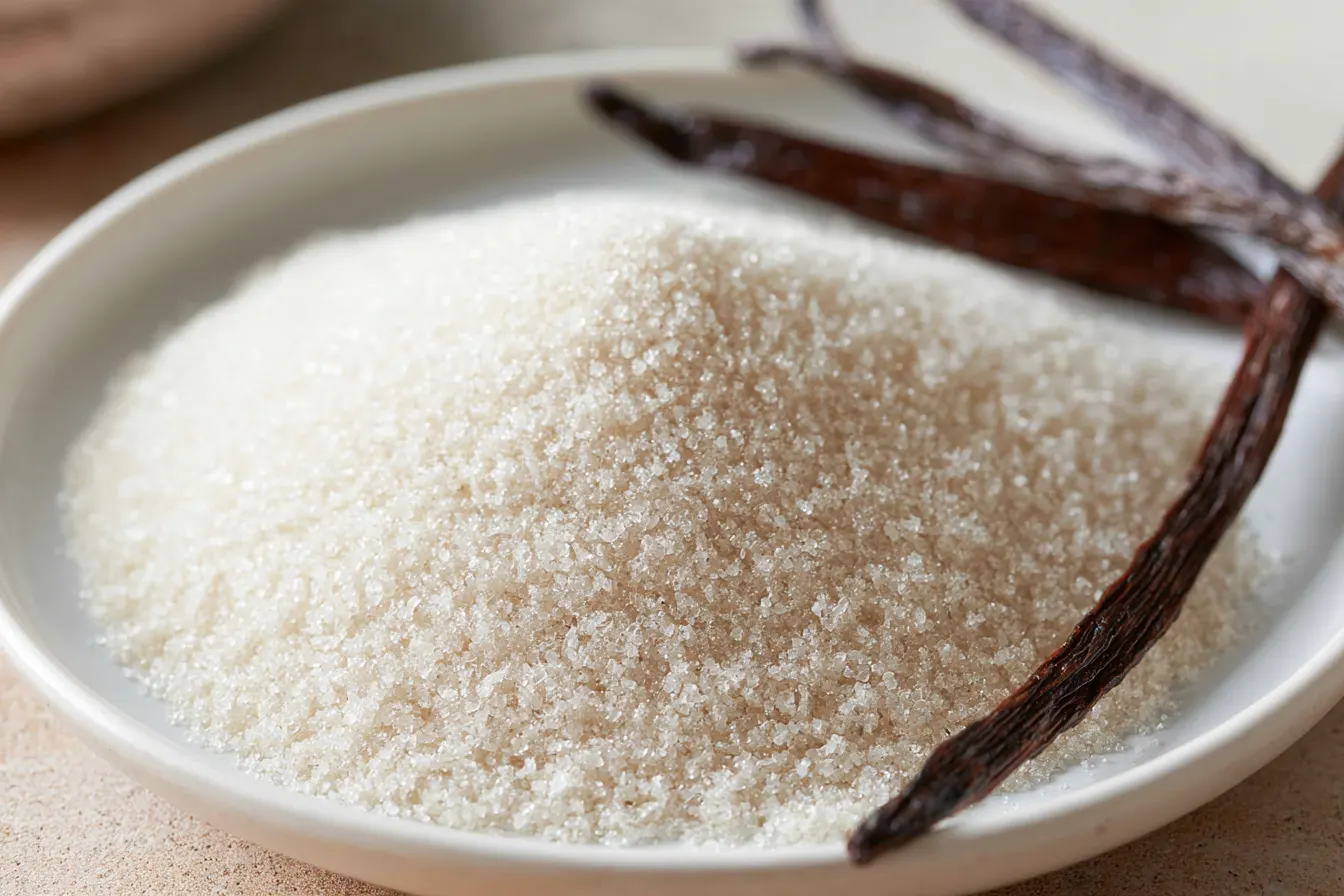
Ever been halfway through a recipe, butter softened and flour measured, only to realize your jar of vanilla sugar is completely empty? It’s a classic kitchen moment, isn’t it? That specific, fragrant sweetness is hard to replicate, but don’t fret! If you need a vanilla sugar substitute, there are plenty of clever ways to bring that lovely aroma and flavor to your bakes without skipping a beat.
- Why Even Bother with Vanilla Sugar?
- Your Go-To Vanilla Sugar Substitutes
- Ingredient Spotlight: Understanding Your Vanilla Options
- Crafting Your Ideal Vanilla Sugar Alternative: Steps and Considerations
- Common Questions About Vanilla Sugar & Its Alternatives
- Maximizing Vanilla Flavor in Your Baking
- Embrace the Vanilla Journey

Why Even Bother with Vanilla Sugar?
Before we get into the swaps, let’s chat for a moment about *why* vanilla sugar is such a prized ingredient in many kitchens, especially in European baking. It’s not just granulated sugar with a vanilla bean pod thrown in (though that’s how many make it!). It imbues a deeper, more rounded vanilla flavor into baked goods than extract alone sometimes can. The fat in baked goods absorbs the vanilla essence beautifully when it’s infused directly into the sugar crystals. It creates a more aromatic, mellow flavor profile that’s simply irresistible in delicate pastries, whipped creams, and even coffee. When you don’t have it, finding a good vanilla sugar alternative becomes crucial for that authentic taste.Your Go-To Vanilla Sugar Substitutes
When that jar is empty, these are the best ways to get that vanilla goodness into your recipe. Each method offers a slightly different nuance, so pick the one that best suits your baking project and what you have on hand.1. Vanilla Extract + Granulated Sugar
This is probably the most straightforward and common solution. You likely have both of these staples in your pantry right now. The key here is proper measurement and incorporation. How to do it: For every 1 tablespoon of vanilla sugar called for, use 1 tablespoon of granulated sugar and about 1/4 teaspoon of pure vanilla extract. Best for: Most baking recipes, especially cookies, cakes, and quick breads. A little tip: If your recipe is sensitive to added liquids, you can reduce another liquid ingredient in the recipe by a tiny amount (like 1/4 teaspoon) to compensate, though for most home baking, it won’t make a noticeable difference.2. Vanilla Bean Paste + Granulated Sugar
Vanilla bean paste is a fantastic secret weapon for bakers. It offers the intense flavor of vanilla beans with the convenience of an extract, often with those lovely little flecks of vanilla caviar. How to do it: For every 1 tablespoon of vanilla sugar, combine 1 tablespoon of granulated sugar with a tiny dab (about 1/8 to 1/4 teaspoon, depending on intensity) of vanilla bean paste. Mix them well until the sugar is coated. Best for: Recipes where you want a really pronounced vanilla flavor and don’t mind the visual appeal of vanilla specks, like custards, crème brûlée, or vanilla frosting. Flavor profile: Richer and more complex than plain extract.3. Vanilla Powder + Granulated Sugar
Vanilla powder is a less common but incredibly useful ingredient, especially for things where you want vanilla flavor without adding any liquid. It’s essentially dried, ground vanilla beans or a highly concentrated vanilla extract that’s been dehydrated. How to do it: Mix 1 tablespoon of granulated sugar with a pinch (about 1/8 teaspoon) of vanilla powder for each 1 tablespoon of vanilla sugar required. Best for: Dry mixes, dusting powders, or recipes where extra liquid is a no-go. It’s also excellent for infusing directly into sugar for homemade vanilla sugar. Note: Start with a small amount of vanilla powder and taste, as its potency can vary significantly between brands.4. Make Your Own (Quick Version)
If you have a little extra time and a vanilla bean pod lying around, you can create a quick, potent vanilla sugar that’s surprisingly close to the real deal. How to do it: Scrape the seeds from half a vanilla bean pod into 1 cup of granulated sugar. Use your fingertips to rub the seeds thoroughly into the sugar until evenly distributed and fragrant. You can store the remaining vanilla bean pod with the sugar to keep infusing it. Best for: When you have a vanilla bean on hand and want the most authentic flavor and aroma. Bonus: This homemade vanilla sugar is fantastic for gifts!
Ingredient Spotlight: Understanding Your Vanilla Options
Let’s take a moment to appreciate the different forms vanilla comes in, as this directly impacts which vanilla sugar replacement will work best for you.Vanilla Extract
This is the most common form. It’s made by macerating vanilla beans in alcohol and water. Look for “pure vanilla extract” for the best flavor; imitation vanilla often uses synthetic vanillin, which lacks the complex notes of real vanilla. Its liquid form means it disperses easily into batters.Vanilla Bean Paste
A glorious hybrid! It’s a thick, syrupy paste made from vanilla extract, vanilla bean specks, and a bit of sweetener and thickener. It gives you the convenience of extract with the visual appeal and intensified flavor of vanilla beans. Think of it as concentrated vanilla goodness.Vanilla Powder
This can be pure ground vanilla beans, or it can be a combination of dehydrated vanilla extract and a carrier like dextrose. It’s excellent for recipes where you want to avoid adding liquid, like making flavored sugar for dusting or dry mixes. Its flavor is usually very concentrated.Vanilla Beans
The OG! These are the dried, cured pods of the vanilla orchid. Inside are thousands of tiny, flavorful seeds (the caviar). The entire pod, including the scraped-out pod, can be used to infuse flavor. They offer the most authentic, complex vanilla flavor.Crafting Your Ideal Vanilla Sugar Alternative: Steps and Considerations
When you’re in a pinch, here’s how to perfectly execute your chosen swap.Step-by-Step for Extract/Paste Method
1. Measure your sugar: Whatever amount of vanilla sugar your recipe calls for, measure out that exact amount of granulated sugar. For example, if it needs 2 tablespoons of vanilla sugar, measure 2 tablespoons of granulated sugar. 2. Add your vanilla: For vanilla extract: Add 1/4 teaspoon of pure vanilla extract per tablespoon of sugar. If you need 2 tablespoons of vanilla sugar, you’d add 1/2 teaspoon of extract. For vanilla bean paste: Add 1/8 to 1/4 teaspoon of paste per tablespoon of sugar. Start with less and add more if you want a stronger flavor. 3. Combine thoroughly: In a small bowl, use a fork or a small whisk to vigorously combine the sugar and vanilla. You want to break up any clumps and ensure the vanilla is evenly distributed. The sugar might look a little damp, and that’s perfectly fine. 4. Incorporate into recipe: Use this vanilla-infused sugar exactly as you would use vanilla sugar in your recipe.
What If My Recipe Calls for a Lot of Vanilla Sugar?
If your recipe calls for, say, a whole cup of vanilla sugar, using the extract method might introduce slightly more liquid than is ideal for very delicate bakes. In such cases: Consider vanilla powder: This is where vanilla powder shines, as it adds no liquid. Reduce other liquids: If you’re adding 1 teaspoon of vanilla extract for a cup of sugar, you might subtly reduce another liquid in the recipe by 1/2 teaspoon. This is usually only necessary for very precise recipes like macarons or certain types of meringues. For most cookies and cakes, it won’t matter. The quick homemade method: If you have a vanilla bean, making a quick, potent vanilla sugar by scraping seeds into regular sugar is often the best bet for larger quantities, as it introduces negligible extra moisture.Common Questions About Vanilla Sugar & Its Alternatives
Let’s clear up some common curiosities you might have while navigating the world of vanilla-infused sweetness.Can I just use vanilla extract and skip the sugar part entirely?
No, not usually. Vanilla sugar provides both sweetness *and* vanilla flavor. If you just add vanilla extract, you’ll be missing the essential sugar component, which will throw off the recipe’s balance, texture, and sweetness level. Always replace the sugar with granulated sugar and then add the vanilla flavoring.Is vanilla sugar the same as vanillin sugar?
Not exactly. Vanilla sugar is made with real vanilla (from the vanilla bean). Vanillin sugar, often found in smaller packets in some grocery stores, typically uses synthetic vanillin, which is the primary flavor compound of vanilla but lacks the complex nuances of the whole bean. While it provides a vanilla-like flavor, it’s generally considered a lesser quality substitute for true vanilla sugar.Can I use vanilla syrup instead of vanilla sugar?
Technically, yes, but it requires careful adjustment. Vanilla syrup is a liquid, so it would impact the moisture content of your recipe significantly. You’d need to reduce other liquids in the recipe and account for the sugar content in the syrup. It’s generally not recommended as a direct substitute unless you’re very familiar with recipe adjustments. It works better in beverages.How long does homemade vanilla sugar last?
If made with a vanilla bean pod or pure vanilla powder, homemade vanilla sugar can last indefinitely, as sugar is a natural preservative. Just store it in an airtight container in a cool, dark place. If you’ve made a quick version with vanilla extract, it’s best to use it within a few hours for optimal freshness, as the moisture from the extract can eventually cause clumping.What’s the best way to store vanilla sugar?
Whether store-bought or homemade, vanilla sugar should always be stored in an airtight container. A glass jar with a tight-fitting lid is ideal. This prevents moisture from getting in (which causes clumping) and keeps the delicate vanilla aroma from dissipating. Keep it in your pantry, away from direct sunlight and heat.Maximizing Vanilla Flavor in Your Baking
Beyond just substituting, there are ways to ensure your vanilla flavor truly shines in any bake.Don’t Skimp on Quality
This cannot be stressed enough: use good quality vanilla. Pure vanilla extract, real vanilla bean paste, or actual vanilla beans will always deliver a superior flavor profile compared to imitation vanilla. The difference is truly noticeable in the final product.Infusion is Key
Vanilla’s flavor compounds are alcohol-soluble and fat-soluble. When you add vanilla sugar (or your substitute) to warm butter or milk, or into a batter with fats, those flavors get beautifully infused throughout the entire mixture. This is why adding vanilla early in the process, rather than just at the very end, often yields a more harmonious flavor.Layer Your Vanilla
For an extra “oomph” of vanilla, consider using vanilla in multiple forms. For example, use your vanilla sugar substitute in the cookie dough, and then add a touch of vanilla extract to the frosting. This layering creates a wonderfully rich and complex vanilla experience.Embrace the Vanilla Journey
So, the next time you reach for that vanilla sugar jar and find it empty, don’t despair! You now have a toolkit of excellent vanilla sugar substitutes at your disposal. Each option offers a slightly different path to that beloved aromatic sweetness, ensuring your cookies are just as tender, your cakes just as fragrant, and your desserts just as delightful as you intended. Happy baking!
Vanilla Sugar Substitute (Quick & Easy)
Learn how to make a quick vanilla sugar substitute using common pantry ingredients like vanilla extract or bean paste.
📝 Ingredients
👩🍳 Instructions
- 1Choose your preferred vanilla flavoring based on what you have and the desired intensity.
- 2For Vanilla Extract Method: In a small bowl, combine 1 tablespoon of granulated sugar with 1/4 teaspoon of pure vanilla extract for every 1 tablespoon of vanilla sugar your recipe calls for. Mix vigorously with a fork until the sugar is uniformly damp and fragrant.
- 3For Vanilla Bean Paste Method: In a small bowl, combine 1 tablespoon of granulated sugar with 1/8 to 1/4 teaspoon of vanilla bean paste for every 1 tablespoon of vanilla sugar needed. Mix well until the paste is evenly distributed and the sugar is coated.
- 4For Vanilla Powder Method: Combine 1 tablespoon of granulated sugar with a pinch (about 1/8 teaspoon) of vanilla powder for every 1 tablespoon of vanilla sugar. Stir thoroughly to distribute the powder evenly.
- 5For Quick Homemade Vanilla Sugar: If you have a vanilla bean, scrape the seeds from 1/2 a pod into 1 cup of granulated sugar. Rub the seeds into the sugar with your fingertips until evenly distributed and fragrant. This can be used immediately.
- 6Use your prepared vanilla sugar substitute immediately in your recipe, exactly as you would use store-bought vanilla sugar.
💡 Notes
Always use pure vanilla extract, paste, or powder for the best flavor. Start with less vanilla flavoring and add more to taste if you're unsure of its strength. For recipes sensitive to liquid, the vanilla powder or quick homemade method is often preferred.