


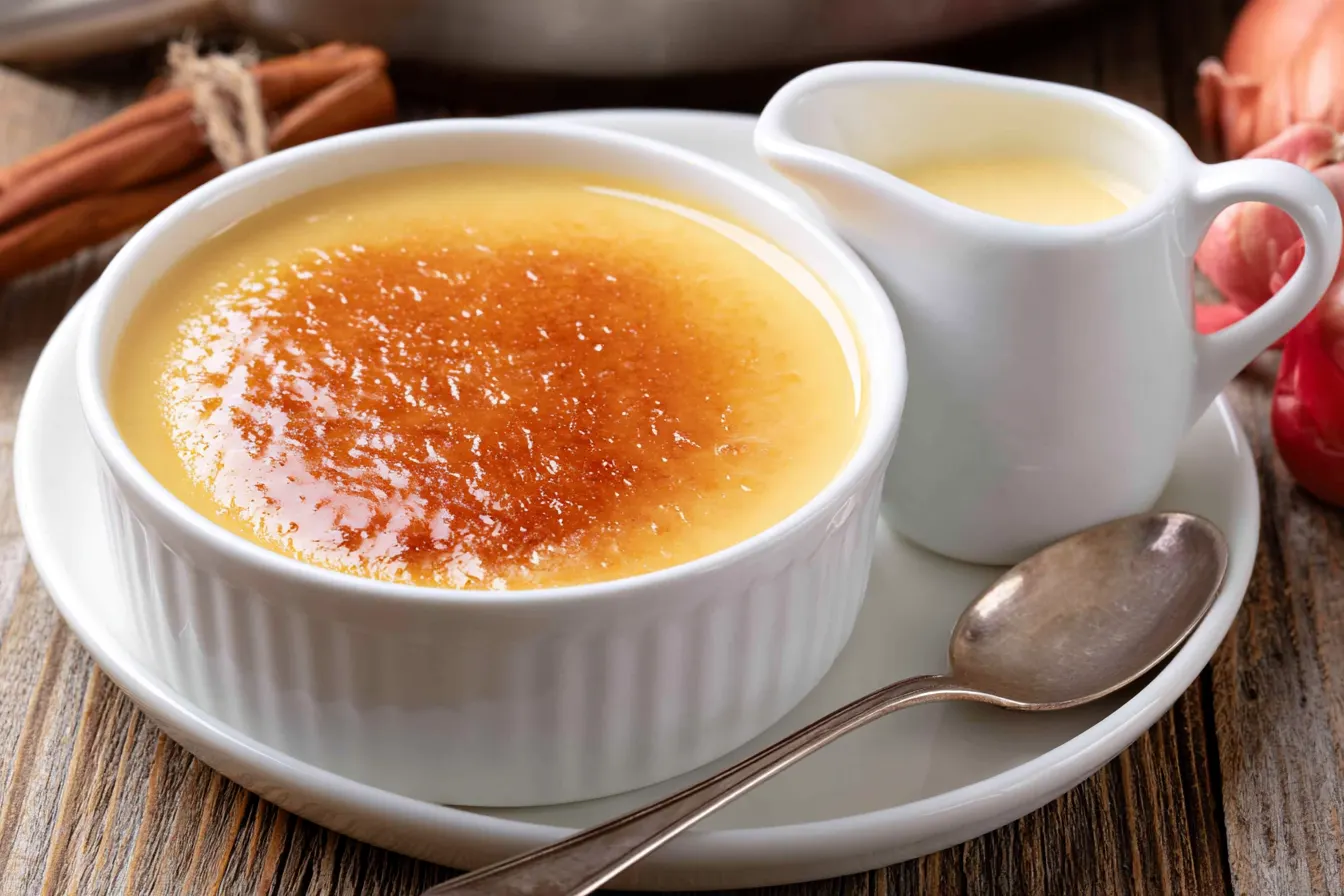
Have you ever found yourself staring at a recipe, seeing the word “custard” and wondering, “Wait, what *is* custard, exactly?” You’re not alone! It’s one of those foundational terms in the culinary world that gets thrown around a lot, often without much explanation. But understanding this creamy, dreamy base is like unlocking a secret level in your baking game.

The Essential Elements: What Goes Into a Proper Custard?
To truly grasp what defines a custard, it helps to break down its core components. While variations abound, a few key players are always at the table, contributing to that signature texture and taste.Eggs: The Binding Brilliance
Eggs are the absolute star of the show when it comes to custard. Specifically, it’s the egg yolks that bring much of the richness, color, and thickening power. The proteins in both the yolk and white are what give custard its structure. When heated, these proteins unwind and link up, creating a network that traps the liquid, resulting in that smooth, set texture. The ratio of yolks to whites, or using whole eggs, significantly impacts the final consistency – more yolks mean a richer, silkier custard, while more whites lead to a firmer, sometimes more gelatinous set.Dairy: The Creamy Canvas
Milk, cream, or a combination of both provide the liquid base and much of the custard’s characteristic creaminess. The fat content of your dairy choice directly influences the richness and mouthfeel. Using whole milk gives a lighter, more delicate custard, while heavy cream results in an incredibly decadent and luxurious one. Some recipes even call for half-and-half or evaporated milk, each offering a slightly different profile. The dairy also helps to temper the eggs, preventing them from scrambling when heat is applied.Sweetener: The Balancing Act
While not strictly essential for savory custards, sugar is a crucial component in most dessert custards. Granulated sugar is most common, but brown sugar, maple syrup, or honey can also be used, lending their own unique flavor notes. The sugar not only sweetens but also plays a role in the custard’s texture, making it more tender and less prone to curdling. It subtly interferes with the egg proteins, preventing them from coagulating too tightly.Flavorings: The Personal Touch
This is where custards really get to shine! Vanilla extract or a vanilla bean is a classic choice, offering a warm, comforting aroma. But don’t stop there! Citrus zests, spices like nutmeg or cinnamon, coffee, chocolate, liqueurs, or even pureed fruits can all be incorporated to create endless flavor possibilities. The beauty of custard is its ability to take on and showcase whatever flavors you introduce.Decoding Custard Types: Baked, Stirred, and Beyond
Custards aren’t a one-size-fits-all affair. The method of cooking largely dictates the final texture and how they’re typically served. Understanding these distinctions will help you navigate recipes with confidence.Baked Custards: The Gentle Set
Think crème brûlée, flan, or baked custards like clafoutis. These custards are poured into a dish (or individual ramekins) and then baked, usually in a water bath (bain-marie). The water bath provides a gentle, even heat, preventing the edges from overcooking before the center sets. This slow, steady cooking results in a smooth, delicate, and often jiggly texture that holds its shape beautifully when served. They’re typically quite firm once cooled but still melt in your mouth.Stirred Custards: The Silky Sauce
Also known as crème anglaise or pastry cream (when thickened with starch), stirred custards are cooked on the stovetop. The key here is constant, gentle stirring to prevent the eggs from scrambling and to ensure even thickening. These custards are usually much softer and pourable than baked custards. Crème anglaise is often served as a sauce for desserts, while a thicker pastry cream is used as a filling for tarts, éclairs, and cakes. The goal is a velvety, pourable consistency that coats the back of a spoon.
Beyond the Basics: Other Custard-Like Preparations
The world of custards extends even further! Puddings: Many puddings, like rice pudding or bread pudding, have a custard-like base where grains or bread are suspended in the creamy mixture. Quiche: This savory tart is essentially a baked custard filled with cheese, vegetables, and meats. The egg-to-dairy ratio is often slightly different to create a firmer savory custard that can be sliced. Ice Cream Base: The rich, creamy texture of many premium ice creams starts with a cooked custard base (a French-style ice cream base). This base is then chilled and churned, creating a smooth, scoopable frozen dessert.The Science of Smooth: Preventing Custard Catastrophes
Custard making, while simple in ingredients, requires a little finesse. Here are some common pitfalls and how to avoid them to ensure perfectly smooth results every time.Scrambled Eggs: The Enemy of Smoothness
The biggest fear when making custard is scrambling the eggs. This happens when eggs are exposed to too high heat too quickly. Tempering is Key: When making stirred custards, always temper your egg yolks. This means slowly whisking a small amount of hot dairy into the yolks first, gradually raising their temperature, before adding the warmed yolk mixture back into the main pot of dairy. This prevents thermal shock. Gentle Heat: Whether baking or stirring, keep the heat low to moderate. For stovetop custards, cook over medium-low heat. For baked custards, a water bath is your best friend.Overcooking: Rubbery or Weepy Custards
Overcooking is another common issue. Baked Custards: They’re done when the edges are set but the center still has a slight wobble, like gelatin. The residual heat will continue to cook them as they cool. If you bake them until completely firm, they’ll often be rubbery or develop an unappealing texture. Stirred Custards: They’re ready when they coat the back of a spoon and you can draw a clean line with your finger. Don’t let them come to a rolling boil; just a gentle simmer is enough. Tip: If you’re unsure if a stirred custard is thick enough, remember it will thicken further as it cools. Err on the side of slightly undercooked rather than overcooked.Lumps and Bumps: The Whisking Workout
For truly silky custards, smooth is the name of the game. Strain It: After cooking, especially for stirred custards, running the mixture through a fine-mesh sieve will catch any small bits of scrambled egg or lumps, ensuring a perfectly smooth texture. Constant Stirring: When cooking on the stovetop, don’t stop whisking! This keeps the mixture moving and prevents hot spots where eggs might cook too quickly.
How to Make a Basic Vanilla Custard (Stirred)
Let’s put this knowledge into practice with a classic stirred vanilla custard – perfect for pouring over fruit, cake, or enjoying on its own. This recipe yields a beautiful crème anglaise.Ingredients for a Silky Crème Anglaise
This simple list is all you need for a truly luxurious sauce. 2 cups (480ml) whole milk or half-and-half ½ cup (100g) granulated sugar, divided 1 vanilla bean, split and scraped, or 1 teaspoon pure vanilla extract 4 large egg yolks Pinch of saltStep-by-Step for a Velvety Finish
Follow these steps carefully for a perfect pourable custard.Warm the Dairy
In a medium saucepan, combine the milk (or half-and-half), half of the sugar (¼ cup), and the vanilla bean (if using a pod, add the scraped pod too). Heat over medium heat, stirring occasionally, until the mixture just comes to a simmer. You’ll see small bubbles forming around the edges. Remove from heat. If using vanilla extract, you’ll add this later.Whisk the Yolks
In a separate medium bowl, whisk together the egg yolks, the remaining ¼ cup of sugar, and a pinch of salt until the mixture is pale yellow and slightly thickened. This usually takes about 1-2 minutes of vigorous whisking.Temper the Eggs
This is a crucial step! While whisking the egg yolk mixture constantly, slowly pour about ½ cup of the hot milk mixture into the yolks in a thin, steady stream. Continue to whisk vigorously. This gradually brings the temperature of the yolks up. Once incorporated, slowly pour the tempered egg mixture back into the saucepan with the remaining hot milk, whisking continuously.Cook the Custard
Return the saucepan to medium-low heat. Cook, stirring constantly with a wooden spoon or heatproof spatula, until the custard thickens enough to coat the back of the spoon. When you run your finger across the spoon, it should leave a clear path. This usually takes about 5-8 minutes. Do not let it boil, or the eggs will curdle. Note: If you’re using a thermometer, aim for a temperature between 170°F (77°C) and 180°F (82°C).Strain and Chill
Immediately remove the custard from the heat. If you used a vanilla bean pod, remove it. Stir in the vanilla extract now, if using. Pour the custard through a fine-mesh sieve into a clean bowl. This ensures a perfectly smooth texture. Place plastic wrap directly on the surface of the custard to prevent a skin from forming as it cools. Chill in the refrigerator for at least 2 hours, or until thoroughly cold and thickened.Custard Conundrums: Your Questions Answered
It’s natural to have a few lingering questions about this versatile ingredient. Here are some common queries.What’s the difference between custard and pudding?
While often used interchangeably, “pudding” is a broader term. Many puddings (like instant pudding) are thickened with starches (cornstarch, flour) and don’t necessarily contain eggs. Custards, by definition, rely on eggs for their primary thickening and structure. A true custard will always have that distinct eggy richness and texture that starch-thickened puddings can’t quite replicate.Can I make custard without dairy?
Yes, you can! While traditional custards use dairy, there are many excellent dairy-free versions. Coconut milk or cream, almond milk, or soy milk can be used as substitutes. You might need to adjust the thickening slightly or use a touch more yolk, as plant-based milks have different protein and fat compositions than dairy. The texture might be slightly different, but still delicious.Why did my custard curdle?
Curdling is almost always due to overcooking or cooking too quickly at too high a heat. The egg proteins tighten too much, squeezing out the liquid and creating a lumpy, grainy texture. To prevent this, cook gently, stir constantly (for stovetop versions), and use a water bath for baked custards. If it curdles slightly, sometimes an immersion blender can help smooth it out if it’s not too far gone.How long does homemade custard last?
Homemade custard, properly stored in an airtight container in the refrigerator, will typically last for 3-4 days. Because it contains eggs and dairy, it’s important to keep it well-chilled and consume it within this timeframe for best quality and safety. Freezing custard isn’t usually recommended as it can alter the texture, making it grainy or watery upon thawing.Can I use egg whites in custard?
Most custards primarily use egg yolks for their richness and emulsifying properties. However, some recipes, particularly those aiming for a firmer set or a lighter texture, might incorporate whole eggs or even a small amount of egg whites. Using more whites tends to create a firmer, sometimes more gelatinous, set. For a classic, silky custard, yolks are usually preferred.
Classic Silky Vanilla Custard (Crème Anglaise)
A foundational, velvety smooth vanilla custard perfect as a sauce for desserts or enjoyed on its own.
📝 Ingredients
👩🍳 Instructions
- 1In a medium saucepan, combine the milk (or half-and-half), ¼ cup of the granulated sugar, and the vanilla bean (if using the pod, add it along with the scraped seeds). Heat over medium heat, stirring occasionally, until the mixture just comes to a simmer (small bubbles form around the edges). Remove from heat.
- 2In a separate medium bowl, whisk together the egg yolks, the remaining ¼ cup of sugar, and a pinch of salt until the mixture is pale yellow and slightly thickened, about 1-2 minutes of vigorous whisking.
- 3Slowly temper the egg yolks: While continuously whisking the egg yolk mixture, gradually pour about ½ cup of the hot milk mixture into the yolks in a thin, steady stream. Continue whisking vigorously until well combined. This prevents the eggs from scrambling.
- 4Pour the tempered egg mixture back into the saucepan with the remaining hot milk, whisking continuously to combine thoroughly.
- 5Return the saucepan to medium-low heat. Cook, stirring constantly with a wooden spoon or heatproof spatula, until the custard thickens enough to coat the back of the spoon (when you run your finger across the spoon, it should leave a clear path). This typically takes 5-8 minutes. Do not let the custard boil. If using a thermometer, aim for 170-180°F (77-82°C).
- 6Immediately remove the custard from the heat. If you used a vanilla bean pod, remove and discard it. Stir in the vanilla extract now, if using.
- 7Pour the custard through a fine-mesh sieve into a clean bowl to ensure a perfectly smooth texture. Place plastic wrap directly on the surface of the custard to prevent a skin from forming as it cools.
- 8Chill in the refrigerator for at least 2 hours, or until thoroughly cold and thickened before serving.
💡 Notes
For an extra rich custard, use all heavy cream instead of milk. If your custard accidentally gets too hot and seems slightly lumpy, you can try blending it briefly with an immersion blender to smooth it out, but be careful not to over-blend and incorporate too much air. Serve chilled over fresh berries, pound cake, or as a base for trifles.