


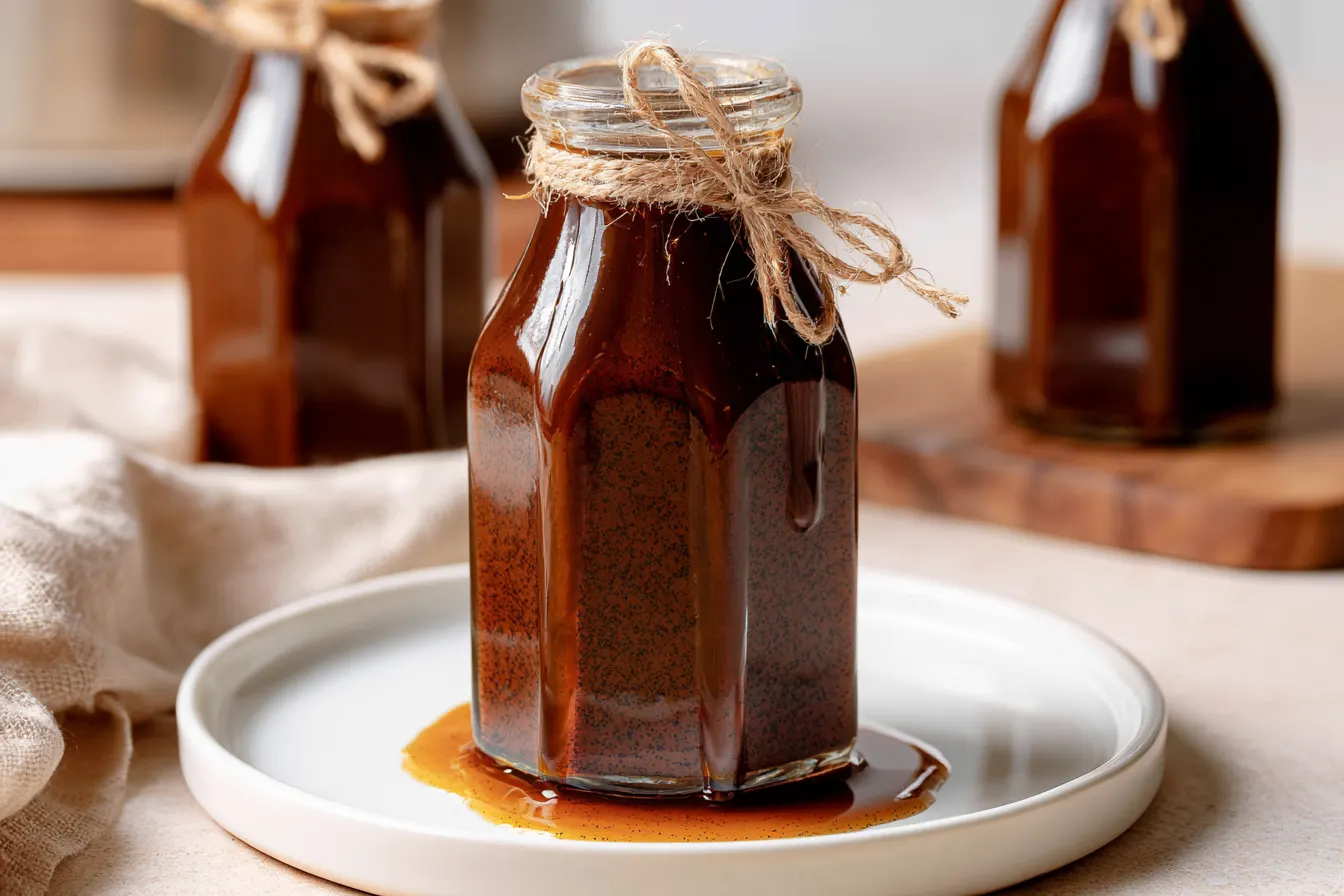
Ever been halfway through mixing up a batch of cookies, feeling like a culinary wizard, only to realize your vanilla extract bottle is bone dry? Yep, I’ve been there more times than I care to admit. It’s a moment of sheer panic, right? Especially when that sweet, fragrant vanilla is the very soul of your dessert. But don’t you worry, because running out of this beloved ingredient doesn’t mean your baking dreams are dashed. There are plenty of fantastic alternatives you can use as a substitute for vanilla extract, often hiding right in your pantry!
I distinctly remember one particularly chaotic holiday baking session where I was making my grandmother’s famous sugar cookies. The flour was everywhere, the butter was softened perfectly, and then… *clink*. An empty bottle. My heart sank faster than a deflated soufflé. But desperation, as they say, is the mother of invention. A quick rummage and a dash of daring led to a surprisingly delightful twist, and those cookies were still a hit!
So, take a deep breath. Before you abandon your recipe or make an emergency dash to the store, let’s explore some clever swaps that will save your sweet treats and possibly even elevate them. You might discover a new favorite flavor profile along the way!
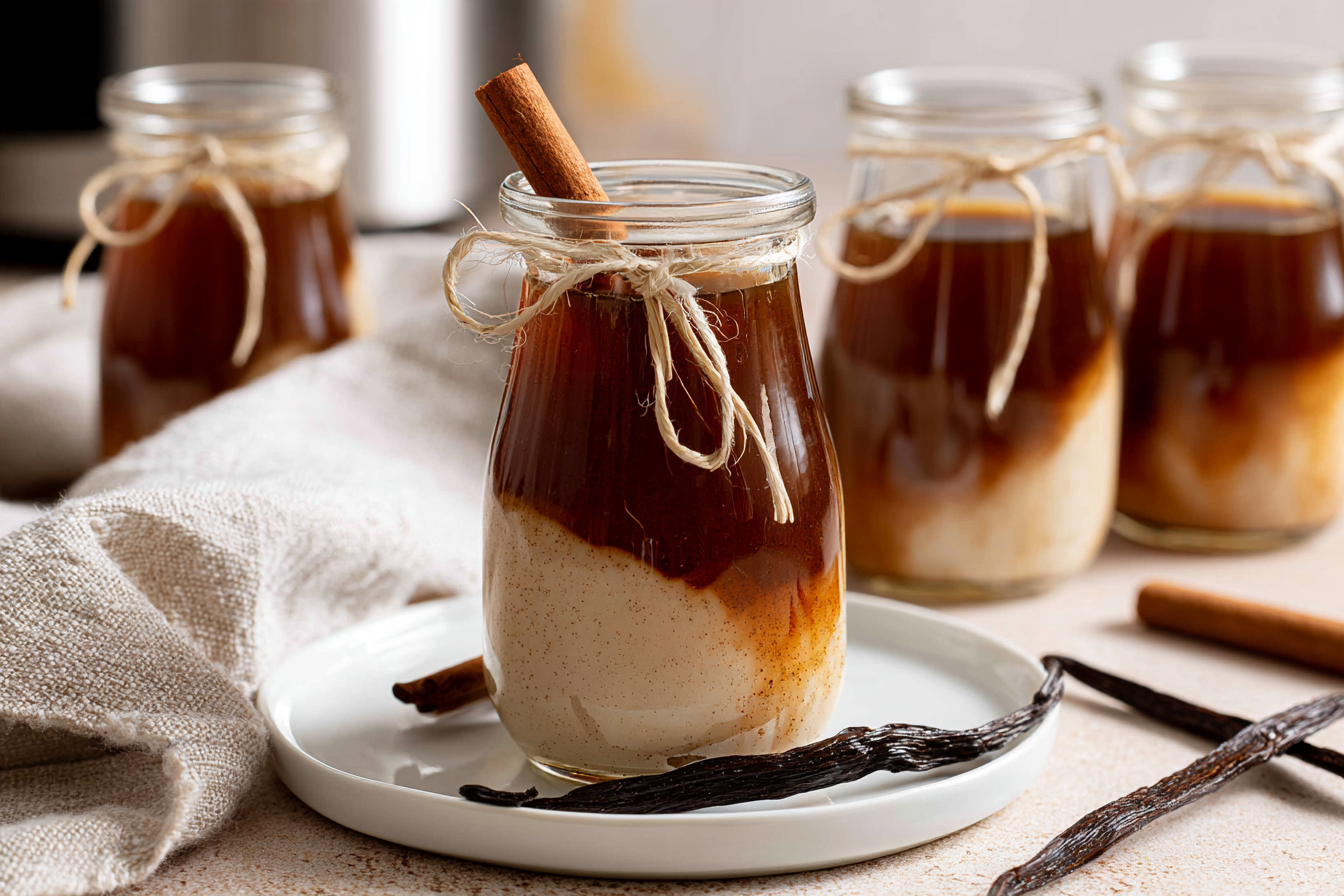
Why We Love Vanilla So Much
Vanilla extract is a staple in almost every dessert recipe for a reason. Its complex, warm, and inviting aroma enhances other flavors, making sweet treats taste richer and more rounded. Think of it as the secret ingredient that makes everything taste a little more “finished.” It’s not just about adding a vanilla flavor; it’s about boosting everything else.
But what exactly is vanilla extract? It’s a solution made by steeping vanilla beans in alcohol and water. This process extracts the vanillin, the primary chemical compound responsible for vanilla’s distinct flavor and aroma. The quality can vary wildly, from expensive pure extracts made with premium beans to less costly imitation vanilla.
Emergency Swaps: Your Top 5 Vanilla Extract Alternatives
When you’re in a pinch, these are your go-to heroes. Each one brings its own unique character, so consider the overall flavor profile of your dessert when choosing.
1. Vanilla Bean Paste or Vanilla Beans
If you happen to have either of these on hand, you’re in luck! Vanilla bean paste offers an intense, concentrated vanilla flavor with those beautiful little specks that tell everyone it’s the real deal. It’s essentially a thicker, more potent form of extract.
- How to use: For vanilla bean paste, use an equal amount (1:1 ratio) to vanilla extract. If using a whole vanilla bean, split it lengthwise, scrape out the seeds, and add them directly to your recipe. One 2-inch piece of vanilla bean or 1/2 teaspoon of paste is generally equivalent to 1 teaspoon of extract.
- Best for: Custards, puddings, ice cream, or anything where you want a very prominent vanilla flavor and the visual appeal of the specks.
2. Vanilla Powder
This is dried, ground vanilla beans, sometimes mixed with a sweetener or anti-caking agent. It provides a pure vanilla flavor without adding any liquid, which can be useful in certain recipes where liquid content is critical.
- How to use: Use 1/2 teaspoon of vanilla powder for every 1 teaspoon of vanilla extract.
- Best for: Dry mixes, frostings, or any recipe where you want to avoid adding extra liquid.
3. Almond Extract
Almond extract is a powerhouse of flavor. It’s much stronger than vanilla, so a little goes a very long way. It imparts a lovely, nutty aroma that pairs beautifully with many desserts, especially those with fruit or chocolate.
- How to use: Start with 1/4 to 1/2 teaspoon of almond extract for every 1 teaspoon of vanilla extract. Taste and adjust if necessary, but err on the side of caution!
- Best for: Cakes, cookies, fruit tarts, and anything where a marzipan-like note would be welcome.
4. Maple Syrup
Pure maple syrup offers a warm, caramel-like sweetness that can mimic some of vanilla’s comforting notes. It will add a touch of liquid and its own distinct flavor, so be mindful of that.
- How to use: Use an equal amount (1:1 ratio) of maple syrup to vanilla extract. You might want to slightly reduce other sweeteners in your recipe to account for the syrup’s sweetness.
- Best for: Pancakes, waffles, oatmeal, or baked goods where a complementary maple flavor is desired, like in fall desserts.
5. Bourbon, Brandy, or Other Liqueurs
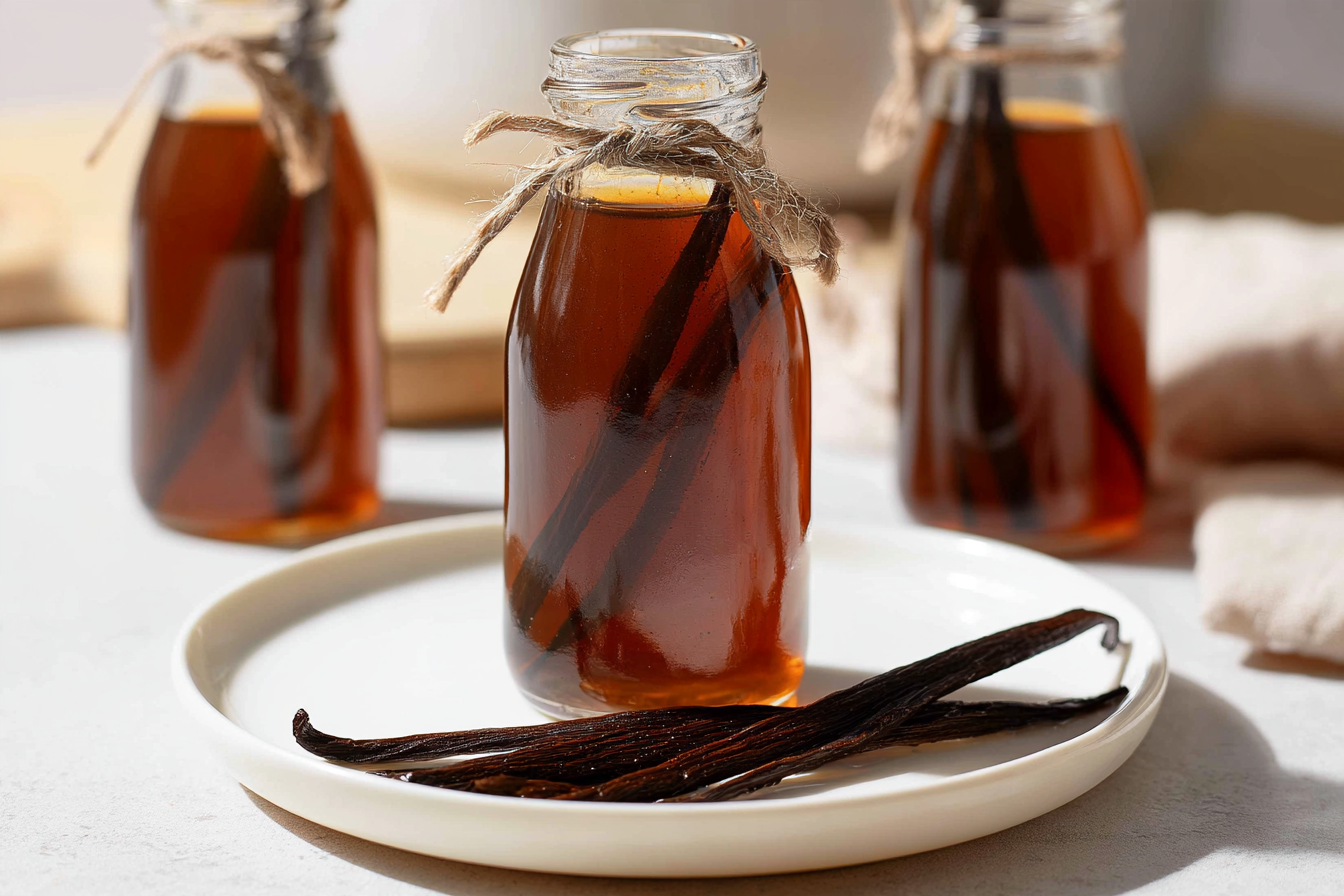
Since vanilla extract is alcohol-based, other spirits can sometimes step in, especially if they have complementary flavor profiles. Bourbon, rum, or brandy can add warmth and depth. The alcohol will cook off, leaving behind a subtle, sophisticated note.
- How to use: Use an equal amount (1:1 ratio) of the chosen spirit to vanilla extract.
- Best for: Chocolate desserts, fruit cakes, or anything where a rich, boozy undertone would be a welcome addition.
Other Creative Flavor Boosters
Beyond the direct vanilla swaps, you can also pivot to other flavorings that, while not mimicking vanilla, will still make your dessert delicious and complete.
Citrus Zest
Bright, fragrant citrus zest (lemon, orange, or lime) can add a wonderful lift and freshness to desserts. It won’t replace vanilla’s warmth, but it will certainly make your baked goods vibrant.
- How to use: Use 1 teaspoon of finely grated zest for every 1 teaspoon of vanilla extract.
- Best for: Shortbread, pound cakes, muffins, or anything that could use a zesty punch.
Spices (Cinnamon, Nutmeg, Cardamom)
Warm spices can bring a cozy, aromatic quality that vanilla often provides. Think about what flavors already exist in your recipe and choose a spice that will enhance them.
- How to use: Start with 1/4 to 1/2 teaspoon of your chosen spice for every 1 teaspoon of vanilla extract. Adjust to your taste preferences.
- Best for: Apple pies, pumpkin bread, spice cakes, or gingerbread.
Coffee or Espresso Powder
A little bit of coffee can deepen the flavor of chocolate and bring out richness in other desserts, much like vanilla does. It won’t taste like coffee, but rather amplify existing flavors.
- How to use: Dissolve 1/2 teaspoon of espresso powder in 1 teaspoon of hot water, then add to your recipe in place of vanilla extract.
- Best for: Chocolate cakes, brownies, or any coffee-flavored dessert.
Choosing Your Best Vanilla Alternative
When selecting a substitute for vanilla extract, consider the dominant flavors in your recipe. Is it a delicate vanilla cake, where the vanilla is meant to shine? Or is it a rich chocolate brownie, where vanilla plays more of a supporting role?
For recipes where vanilla is the star, like a vanilla bean ice cream or sugar cookies, vanilla bean paste or vanilla powder will be your closest allies. For more robust recipes, almond extract or even a splash of bourbon can add an exciting new dimension.
Always start with a smaller amount than you think you need, especially with potent alternatives like almond extract or spices. You can always add more, but you can’t take it away!
Common Questions About Vanilla Substitutes
Can I just leave out vanilla extract if I don’t have a substitute?
While you *can* omit vanilla extract, your dessert might taste a bit flat or lack depth. Vanilla often acts as a bridge, bringing other flavors together. If you have absolutely no substitute, it won’t ruin your recipe, but it won’t be quite as vibrant.
Is imitation vanilla extract a good substitute for pure vanilla extract?
Yes, imitation vanilla extract is a perfectly acceptable substitute for pure vanilla extract, especially in baked goods where other flavors are prominent. It’s usually cheaper and has a more robust flavor that stands up well to high heat. Use it in a 1:1 ratio.
What’s the difference between vanilla extract and vanilla essence?
Vanilla extract is made from real vanilla beans steeped in alcohol. Vanilla essence, especially outside of North America, can often refer to a synthetic, artificially flavored product, similar to imitation vanilla extract. Always check the ingredients list to be sure.
Can I use vanilla-flavored milk or yogurt instead?
This isn’t an ideal substitute for vanilla extract. While these products contain vanilla flavoring, they also introduce significant liquid, sugar, and dairy that would alter the chemistry and texture of most baked goods. It’s better to stick with concentrated flavorings.
Does the alcohol in extracts matter for dietary restrictions?
For most baked goods, the small amount of alcohol in extracts (including vanilla) will evaporate during the cooking process. However, if you have strict dietary restrictions against alcohol, look for non-alcoholic vanilla flavoring or use alternatives like vanilla powder or vanilla beans.
Don’t Let an Empty Bottle Stop Your Baking Joy
The next time you’re faced with an empty vanilla bottle, remember this guide. There’s almost always a delicious alternative waiting in your pantry to save the day. Experiment, have fun, and don’t be afraid to try something new. Sometimes, the best culinary discoveries happen when you’re forced to improvise!
Happy baking, and may your desserts always be flavorful!
Vanilla Bean Panna Cotta with Raspberry Coulis
A silky smooth, creamy panna cotta infused with real vanilla bean, served with a vibrant raspberry coulis.
📝 Ingredients
👩🍳 Instructions
- 1Prepare Gelatin: In a small bowl, sprinkle gelatin powder over 3 tablespoons of cold water. Let it sit for 5-10 minutes to bloom and soften.
- 2Heat Cream Mixture: In a medium saucepan, combine heavy cream, whole milk, and 1/3 cup granulated sugar. Add the scraped vanilla bean seeds and the spent pod (or vanilla bean paste). Heat over medium heat, stirring occasionally, until the mixture is simmering gently around the edges but not boiling. Remove from heat.
- 3Dissolve Gelatin: Remove the vanilla bean pod from the cream mixture. Add the bloomed gelatin to the warm cream mixture and whisk continuously until the gelatin is completely dissolved and no lumps remain. Make sure it's fully incorporated.
- 4Chill Panna Cotta: Pour the panna cotta mixture into four 4-ounce ramekins or serving glasses. Cover each with plastic wrap and refrigerate for at least 4 hours, or preferably overnight, until set. Note: For easy unmolding, lightly spray ramekins with non-stick spray before pouring.
- 5Make Raspberry Coulis: In a small saucepan, combine raspberries, 1 tablespoon sugar (if using), and lemon juice. Cook over medium-low heat for 5-7 minutes, stirring occasionally, until the raspberries break down and form a sauce.
- 6Strain Coulis: Press the raspberry mixture through a fine-mesh sieve into a small bowl to remove seeds. Discard the solids. Let the coulis cool completely in the refrigerator.
- 7Serve: To serve, run a thin knife around the edge of each ramekin (if unmolding) and invert onto a serving plate. Spoon the cooled raspberry coulis generously over the panna cotta. Garnish with fresh mint or berries, if desired.
💡 Notes
For a richer vanilla flavor, let the vanilla bean steep in the cream mixture for an extra 30 minutes off the heat before adding gelatin. If you don't have fresh raspberries, frozen work perfectly. You can also substitute other berries for the coulis.